
Last updated November 15, 2026
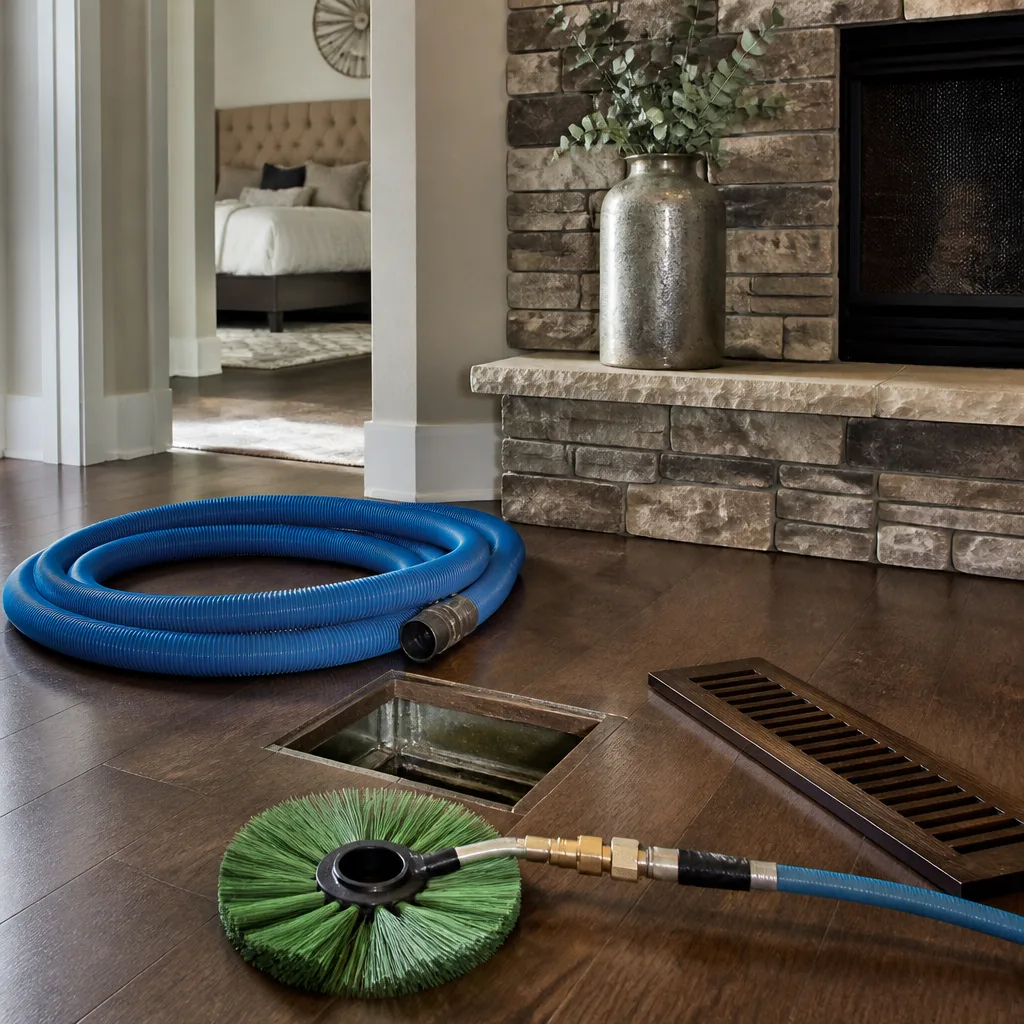 Whole-home duct cleaning
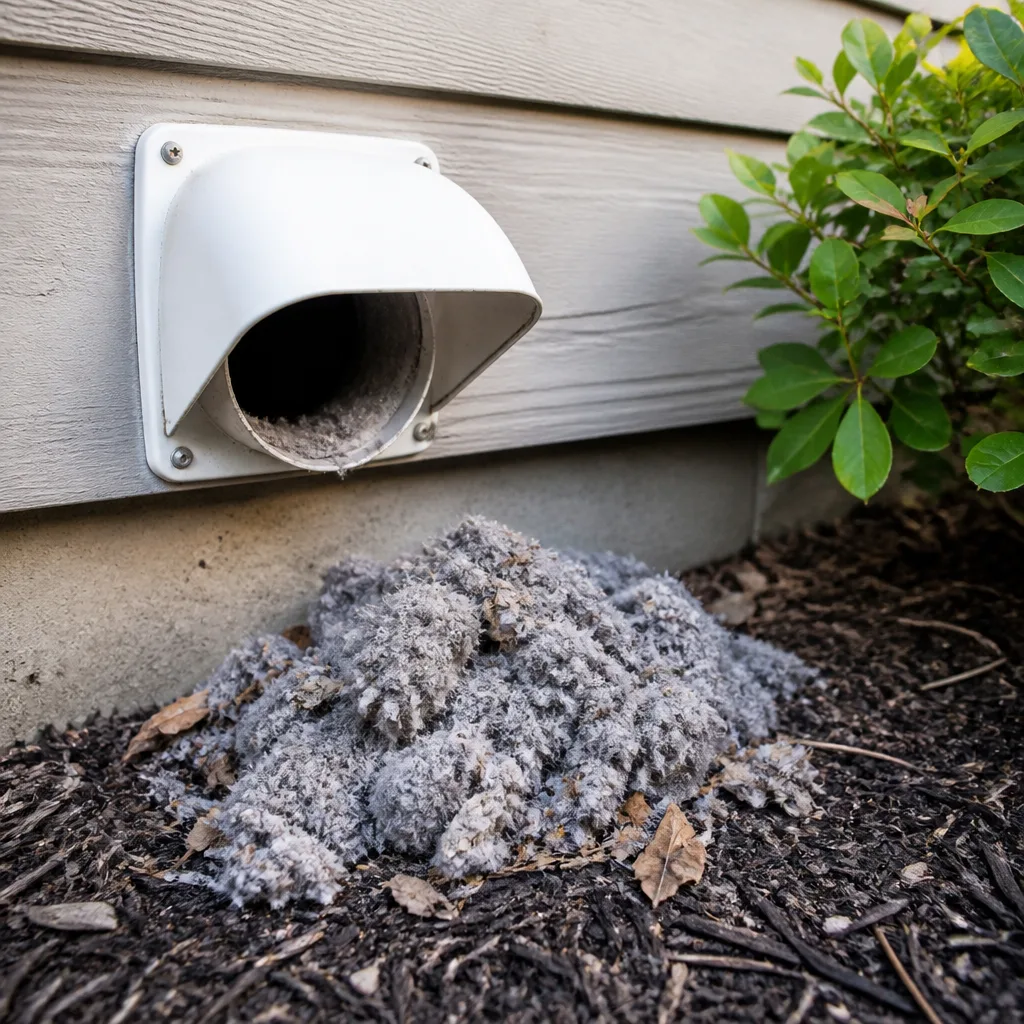 Dryer vent cleaning
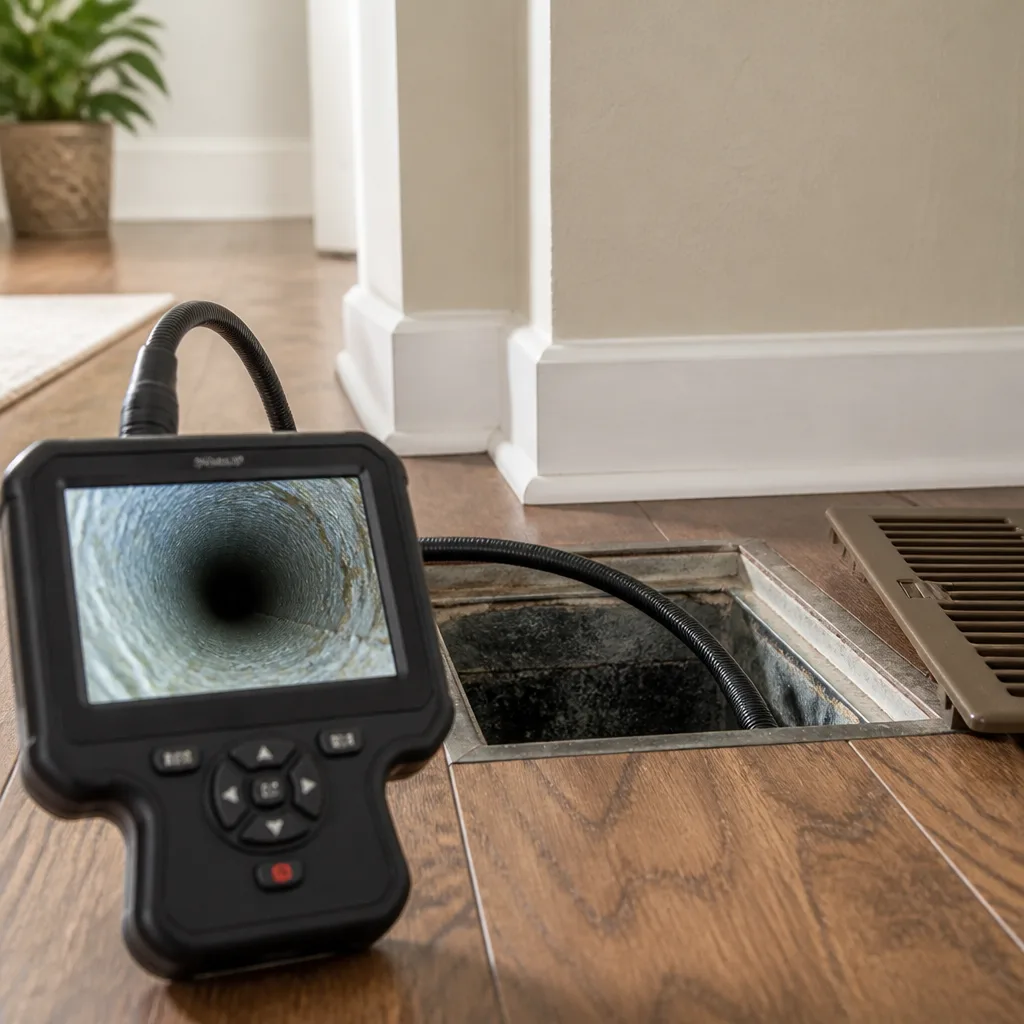 Camera inspection
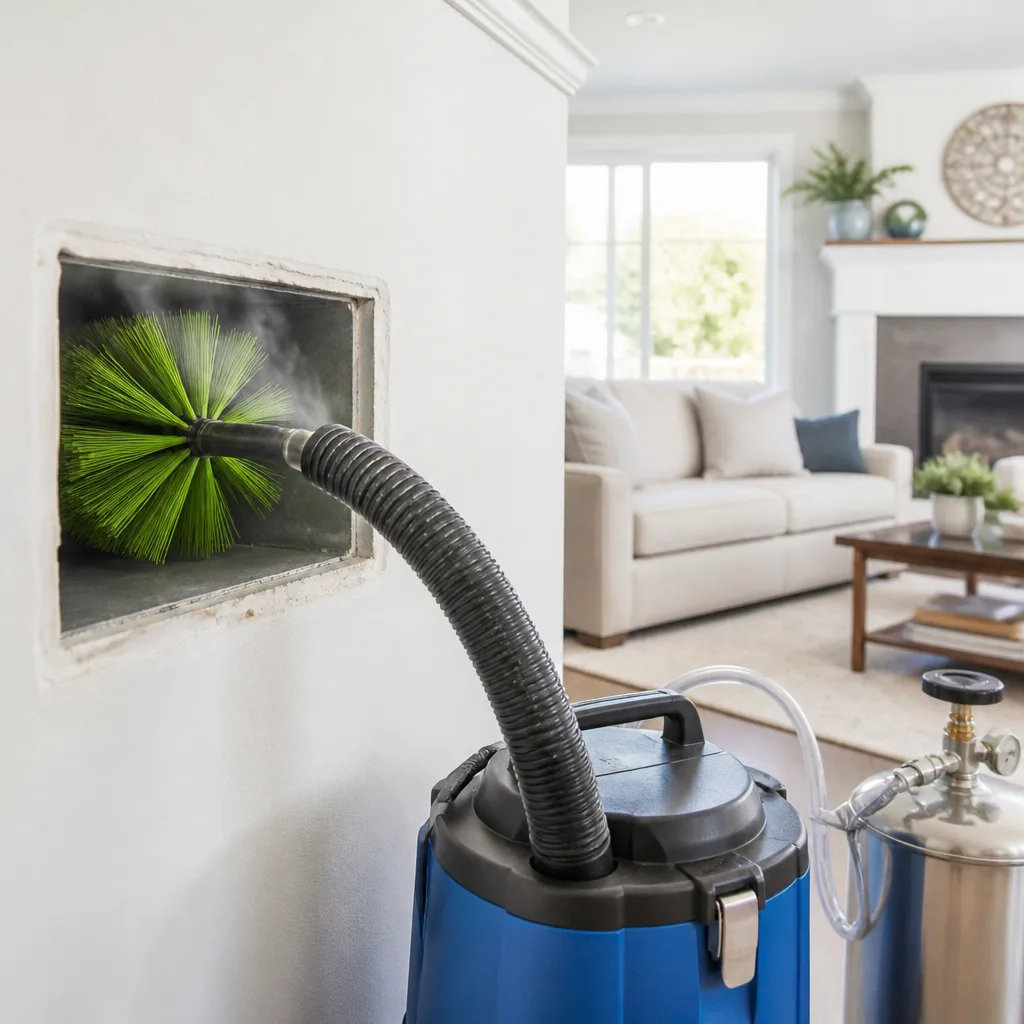 Sanitizing & deodorizing
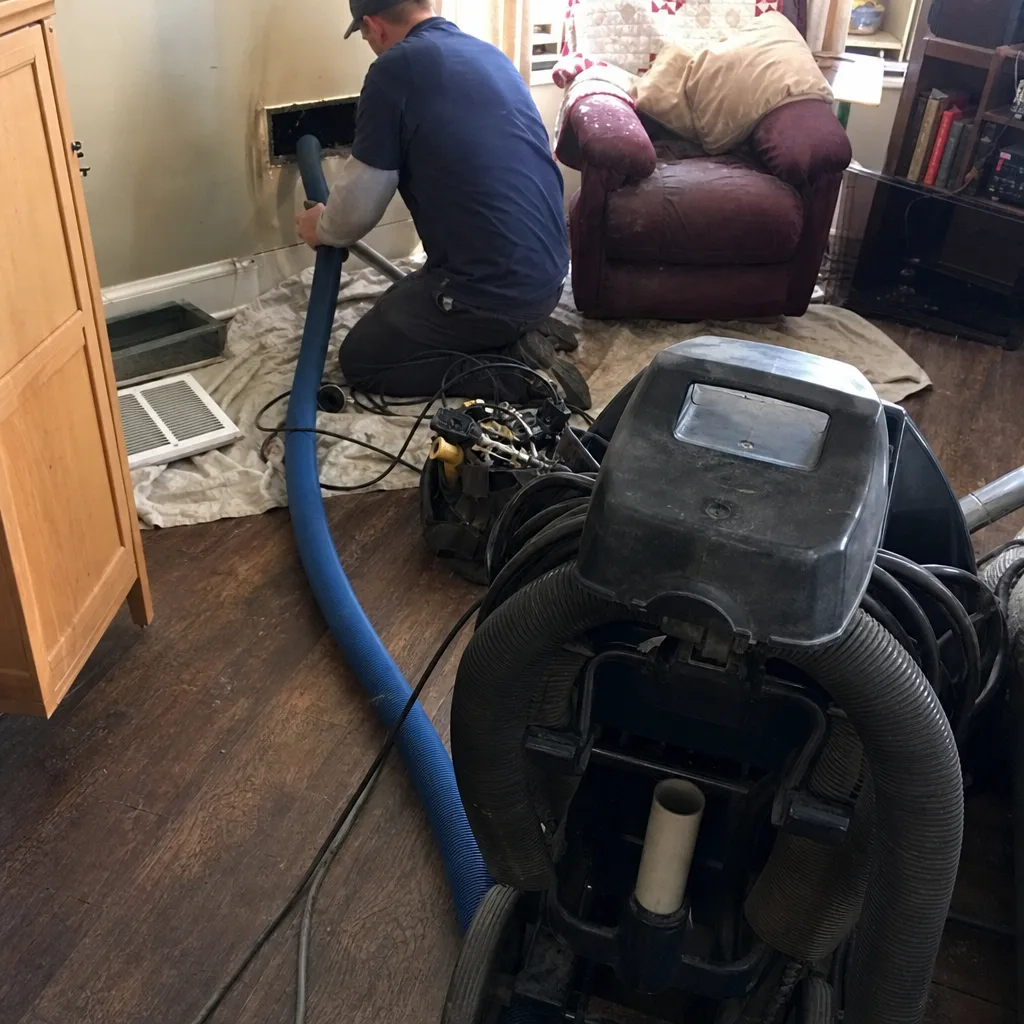
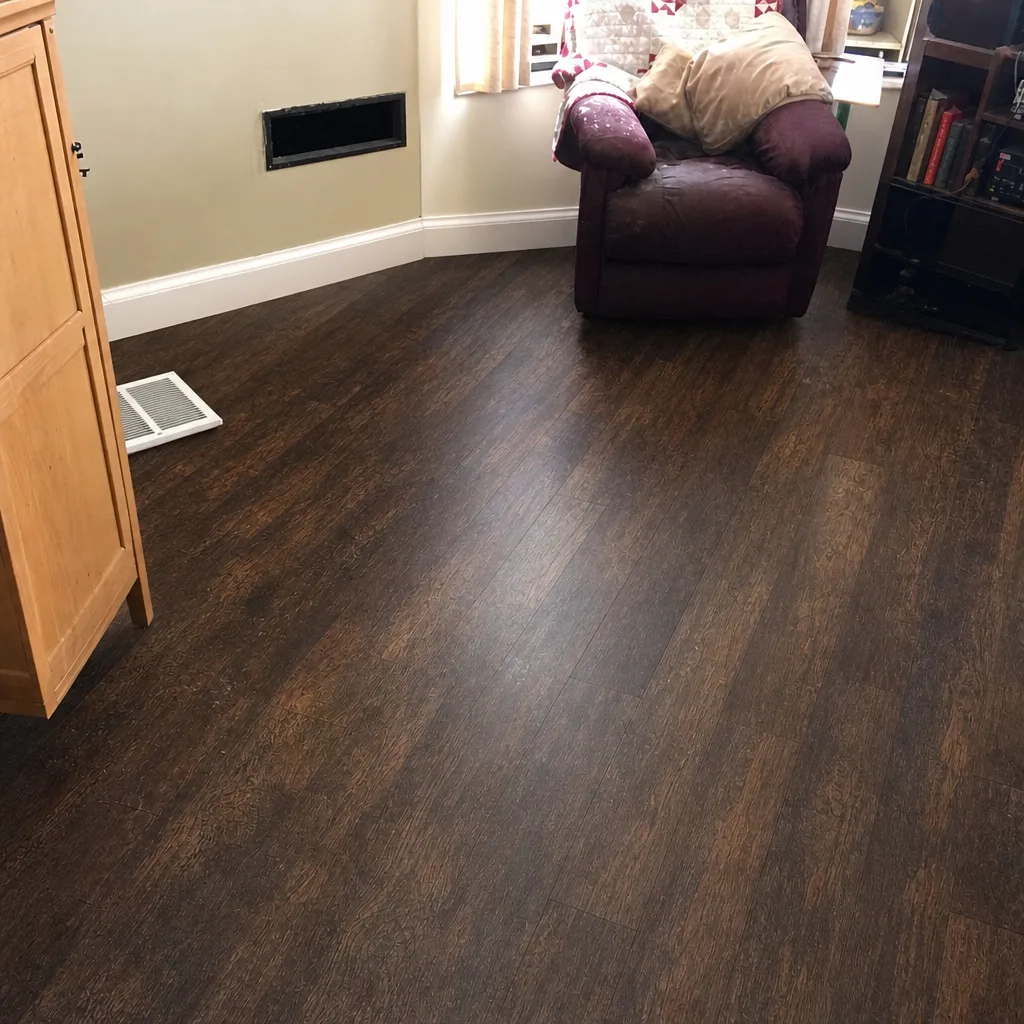
Whole-system duct and dryer vent check with before-and-after photos - you see exactly what came out of your vents
That "$99 whole-house special" is a bait ad - the real number appears once they are in your hallway, or the "clean" is a shop-vac at the register. We photograph the inside of your ducts before and after instead.
Choosing the Right Air Duct Cleaning Brand: A Buyer’s Guide for Syracuse
When a duct cleaning company says they use “professional equipment,” that phrase covers everything from a $300 portable shop vac to a truck-mounted negative pressure system costing tens of thousands. The gap in outcome between those two tools isn’t marginal. It decides whether debris actually leaves your ductwork or just gets pushed around inside it. In Syracuse, where long heating seasons mean your ducts run hard for most of the year, that difference shows up fast. This guide explains what the major equipment types physically do, so you can weigh a contractor’s claims against mechanical reality rather than marketing language.
Quick Answer
The right air duct cleaning brand for your Syracuse home is the one that can name its equipment, explain its vacuum’s airflow and filtration specs, and describe how it contains debris during the job. Equipment is a functional specification, not a slogan: a rotary brush system with a HEPA-rated vacuum removes material from duct walls, while a shop vac setup mostly stirs it. Ask what they own, how it works, and whether they also repair duct failures they find.
Styles & brands we work with
- Whole-home duct cleaning
- Dryer vent cleaning
- Camera inspection
- Sanitizing & deodorizing
Table of Contents
- What “professional equipment” actually means
- What Rotobrush equipment does that a vacuum alone can’t
- What Nikro high-CFM negative pressure systems change
- Portable vs. truck-mounted vacuum: does it matter?
- Questions to ask any Syracuse contractor about their equipment
- Why equipment quality and duct repair capability belong together
- Why vague equipment claims are a warning sign
- How Syracuse climate and housing shape duct conditions
What “professional equipment” actually means
“Professional equipment” is not a standard. It’s a phrase anyone can print on a flyer. What matters is the specific machine in the van and how it’s configured, because duct cleaning is fundamentally a two-part job: dislodge the debris, then capture it. Get one without the other, and you’ve moved dirt from a duct wall into your living room air.
Most residential duct cleaning systems combine three components:
- An agitation tool that breaks debris loose from duct walls. This can be a rotary brush, a compressed-air whip, or a high-pressure air sweep.
- A vacuum source that pulls dislodged material out of the system. Important specs are cubic feet per minute (CFM) of airflow and filtration level.
- A containment setup that keeps debris from escaping into the home during the work, usually negative pressure at the register or a sealed vacuum connection at the plenum.
When a company can tell you the CFM of their vacuum, the filtration rating of their filters, and the diameter of their brush heads, that’s a company that knows its tools. When they say “industrial-grade equipment” and can’t name a single spec, the phrase has no mechanical content. It’s a placeholder.
In our experience, homeowners in Syracuse who ask one equipment question get a strong read on the whole operation within a minute of conversation.
What Rotobrush equipment does that a vacuum alone can’t
Rotobrush systems are contact-agitation tools. A rotating brush head travels through the duct while a vacuum hose runs alongside it, so dislodged material is captured the moment it breaks loose. That brush-and-vacuum-together design is the point. A brush that works ahead of a separate vacuum pass gives debris time to settle back onto the duct walls, or worse, drift into the air stream and land in rooms you live in.
Here’s the sequence a Rotobrush-style cleaning typically follows:
- The vacuum is connected and negative pressure is established before any agitation begins.
- Register covers are removed and the duct interior is inspected, often with a camera.
- Brush heads sized to the duct diameter move through each run, mechanically scrubbing walls, joints and plenum surfaces.
- The vacuum extracts the loosened material at the source. HEPA-rated filtration captures fine particulate.
- Post-clean inspection confirms what’s actually gone, and photos document before-and-after condition.
Why does brush diameter matter? Ducts come in different sizes and configurations, and an oversized brush can damage joints or flexible duct liner. An undersized head leaves corners untouched. A contractor who carries a range of brush sizes has thought through the geometry of your system before arriving.
Our technicians have up to 14 years of experience running rotary brush systems through Syracuse homes, and one recurring finding: duct walls accumulate more material than homeowners expect when a home has been through several heating seasons without service. That material doesn’t lift off with vacuum suction alone. It has to be physically dislodged.
What Nikro high-CFM negative pressure systems change
Nikro equipment is engineered around source removal: build strong negative pressure at the duct opening, then extract material toward the vacuum rather than letting it redistribute. High-CFM systems do this more effectively than low-airflow setups because the airflow itself carries debris out.
Here’s a plain-language comparison:
- Low-CFM vacuum: creates enough suction to pull loose dust near the hose, but can’t maintain airflow through a long duct run. Fine particulate settles back after the machine moves on.
- High-CFM negative pressure system: keeps the entire duct run under sustained negative pressure, so material is captured at the source instead of settling or escaping. This is what the trade association standards for duct cleaning call for, and it’s the configuration you want for heavier debris loads or contamination.
Nikro and Rotobrush aren’t competitors in a cleaning kit; they do different work in the same job. The brush agitates. The high-CFM vacuum captures. When you pair a containment-capable vacuum with proper HEPA filtration, you also get control over dust that could otherwise escape into the room, which matters most in homes with allergy concerns, recent renovation dust, or an active indoor-air-quality setup with Honeywell or Aprilaire equipment already installed.
If you’re comparing brands for a full system in Syracuse, it’s worth reading how air duct cleaning answers the same question at the process level.
Portable vs. truck-mounted vacuum: does it matter?
Yes, it matters, and the difference is in airflow and containment, not price tier.
Portable units are carried into the home and connected to a duct opening or plenum. Their airflow is limited by the size of the motor and hose, but with a well-designed HEPA filtration system and proper sealing, they can still do solid work on a residential system. The key is whether the portable unit is a purpose-built duct cleaning machine or a shop vac with attachments.
Truck-mounted systems put the vacuum source outside the home, which means higher airflow through longer hose runs and less noise and dust inside. They’re often preferred for heavier jobs or larger systems, but not every contractor operates one, and the quality of the cleaning depends on more than the vacuum location.
Three specs to ask about regardless of configuration:
- CFM rating. Higher airflow means better carriage of debris. Ask for the number.
- Filtration level. HEPA filtration is the standard when mold spores, renovation dust, or any health-relevant particulate might be present.
- Containment approach. How do they keep debris from escaping the duct system during the work? Sealed register connections, negative pressure at the vacuum attachment, and a plan for what happens when they open a duct are all part of the answer.
The right configuration for a typical Syracuse home often comes down to the system layout. Short, accessible duct runs and a standard furnace layout often work well with a high-quality portable HEPA setup. Long runs or extensive recirculation systems benefit from more airflow. A contractor who can explain that distinction is a contractor who has made the call before.
Questions to ask any Syracuse contractor about their equipment
This is the section to save. Before you book, ask these questions direct and listen for specific answers.
- “What’s the CFM of your vacuum?” A number means they’ve read the spec sheet. A non-answer means they don’t know their own machine’s capability.
- “Does your filtration meet HEPA standards?” HEPA-rated filtration matters most in homes with airborne concerns. Ask what filter class they use and how often it’s changed.
- “How many brush diameters do you carry?” Your ductwork isn’t all one size. Multiple heads signal a system designed for real homes rather than one-size cleaning.
- “Do you own or rent the equipment?” Either answer is honest. An owner-operator usually knows the machine better and maintains it; rental is more common in franchise models. What matters is that they understand the setup they show up with.
- “How do you contain debris during the job?” Look for a described process, not reassurance: negative pressure, filter-rated vacuum, source removal at the register.
- “Can you show me the duct condition before and after?” Before-and-after photos of your own system are straightforward proof that the work actually happened. If a company can’t offer them, ask why.
- “Do you also repair duct problems you find?” Cleaning around a disconnected joint or crushed run is a waste of a visit. A company that can fix what it finds solves the real problem.
A few of these questions will tell you almost everything. When someone has real equipment, they’ll want to talk about it in specific terms. When they’re relying on vague phrases like “industrial vacuum,” the answers thin out quickly.
Why equipment quality and duct repair capability belong together
Duct cleaning finds things. During a proper clean, technicians see compromised seals, disconnected joints, crushed flex duct, and separations in the plenum where conditioned air is escaping. If your cleaner can only clean, they note the issue and move on, and the system keeps leaking the way it was before the visit.
Air duct repair as a standalone capability changes the visit. A company that also repairs ductwork can document the problem, quote a fix, and, where possible, correct it in the same service window. That often matters more than the cleaning itself in homes with inefficient heating and cooling.
Our service offering is deliberately narrow: cleaning, dryer vent cleaning, and duct repair. That focus means we’re not stretching to cover unrelated trades. When we find a broken duct, we fix it. When we find a dirty system, the equipment we brought actually removes the debris. If it’s outside our three services, we’ll tell you that too.
For homeowners in Syracuse, where heating systems run most of the year, a leaky duct run wastes real money every winter. Repairing it during a cleaning visit usually makes more sense than booking a second company months later.
Why vague equipment claims are a warning sign
Most duct cleaning complaints follow a pattern: a low advertised price, a technician who upsells hard from the moment they arrive, and a cleaning that leaves the ducts looking and performing about the same as before. Vague equipment claims are often the opening move in that pattern, because if a company won’t pin down its specs, the rest of the visit is likely just as loose.
Here’s a short checklist for spotting the vague-claims pattern:
- “Industrial equipment” with no brand, model, or spec named.
- “HEPA certified” without saying which unit or filter.
- Quotes that reference “the standard package” but can’t break down what’s included.
- Sales pressure around “limited availability” while giving you no chance to see the equipment before arrival.
- No before-and-after documentation offered, or photos that could be from any job.
None of these alone proves a bad operation. All of them together are worth a second look. A company that owns quality equipment has nothing to hide by being specific, because specificity is the easiest form of proof.
If you’re comparing duct cleaning Syracuse companies, the one that answers questions with specs is almost always the better bet.
How Syracuse climate and housing shape duct conditions
Syracuse weather doesn’t leave ducts neutral. Hard winters mean heating systems run for months without a break, pulling air through the same ductwork for thousands of hours each season. That constant air movement leaves a thin, clinging layer of dust and debris along duct walls that simple vacuuming won’t remove. It’s the kind of buildup that needs mechanical agitation to break the bond between debris and duct surface.
Older housing stock in and around Syracuse adds its own variables. Homes with return-air systems routed through wall cavities or floor joists, and homes that have been through multiple renovations, often carry construction dust and debris in places a camera would surprise you. Flexible duct runs added during additions can have crushed or disconnected sections that don’t show up on a visual check from the register.
Here’s how that plays out for a buyer:
- Long heating season: more hours of airflow through the ducts, more material accumulated.
- Renovation history: drywall dust and construction debris that needs HEPA-rated capture to remove safely.
- Basement and crawlspace runs: ducts that pick up moisture-adjacent dirt and can be harder to reach with truck-mounted equipment.
- Whole-home air quality systems: homes with Honeywell or Aprilaire filtration and humidity control setups benefit from duct cleaning that reflects the broader IAQ system, not an isolated duct pass.
That last point matters. A duct system cleaned in isolation, with no attention to the air handling components around it, solves half the problem. A contractor who works with Honeywell and Aprilaire systems understands how the ductwork feeds the rest of the air quality setup and can clean accordingly.
The other Syracuse factor worth naming: dryer vents. Long, cold winters mean dryers run often, lint accumulates faster, and vent blockages become a fire risk that’s easy to overlook. A company with a dedicated dryer vent cleaning service is set up to inspect and clear that part of the system properly, with the same attention it gives the main ducts.
Common Mistakes to Avoid
- Booking based on the lowest advertised price alone. A low quote often signals low equipment, an upsell-heavy visit, or a “cleaning” that just redistributes debris. Ask for the equipment specs first, price second.
- Confusing shop vacuums with duct cleaning systems. A portable shop vac in Syracuse homes can’t maintain enough airflow through long duct runs. Ask for CFM and filtration ratings, not the phrase “professional vacuum.”
- Skipping the repair question. If your cleaner can’t repair a disconnected joint or crushed duct, you’ll pay for a second visit to fix it. Ask upfront whether repair is part of their service offering.
- Ignoring the dryer vent. Syracuse dryer vents pack with lint quickly through long heating seasons. It’s a fire concern, not a cosmetic one, and it’s worth a dedicated inspection.
- Accepting no before-and-after documentation. Photos of your own ducts are proof. If the company won’t take them, assume the work is unverifiable.
- Forgetting the air handling side of the system. If your home has Honeywell or Aprilaire equipment, ask how the duct cleaning interacts with those components rather than cleaning in isolation.
- Choosing a company with a mile-wide service list. A specialist with three services tends to go deeper than a company doing twenty. Depth shows in the answers to equipment questions.
See the difference
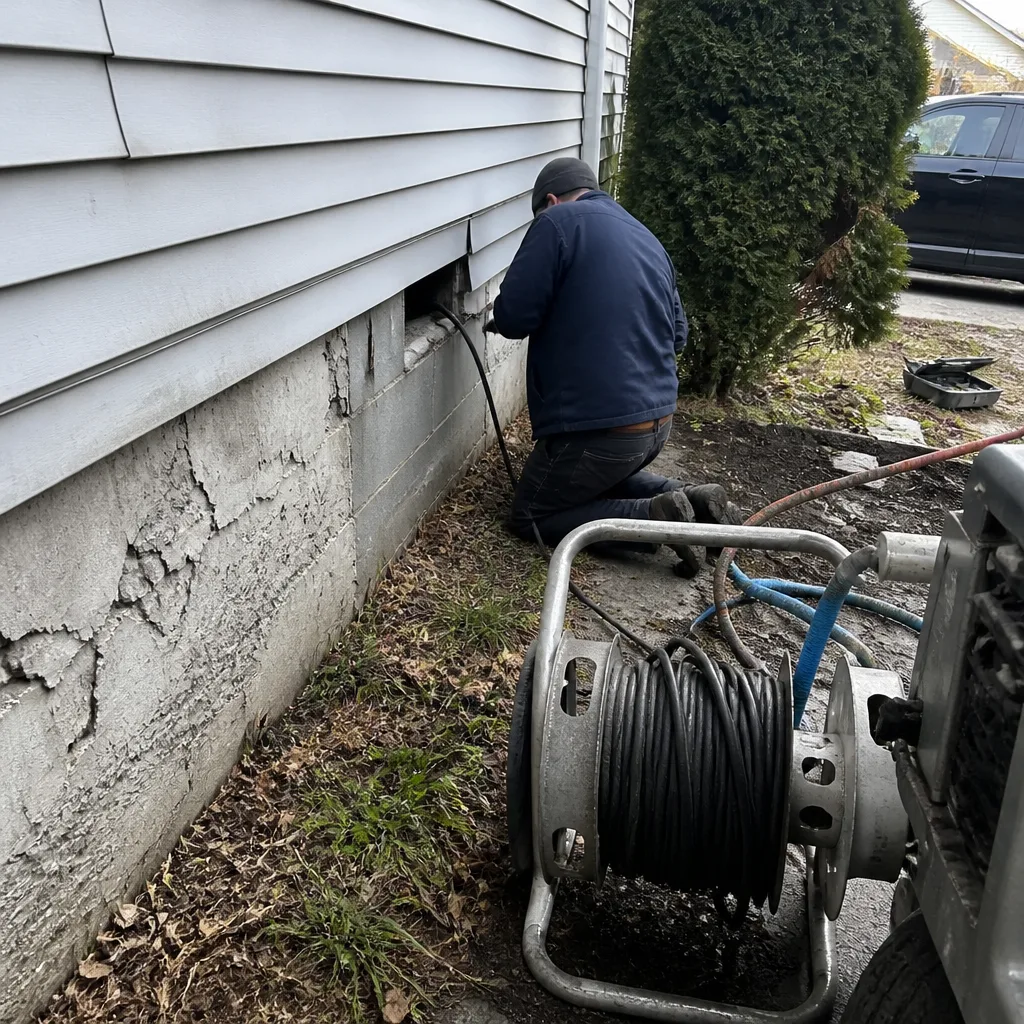 Before
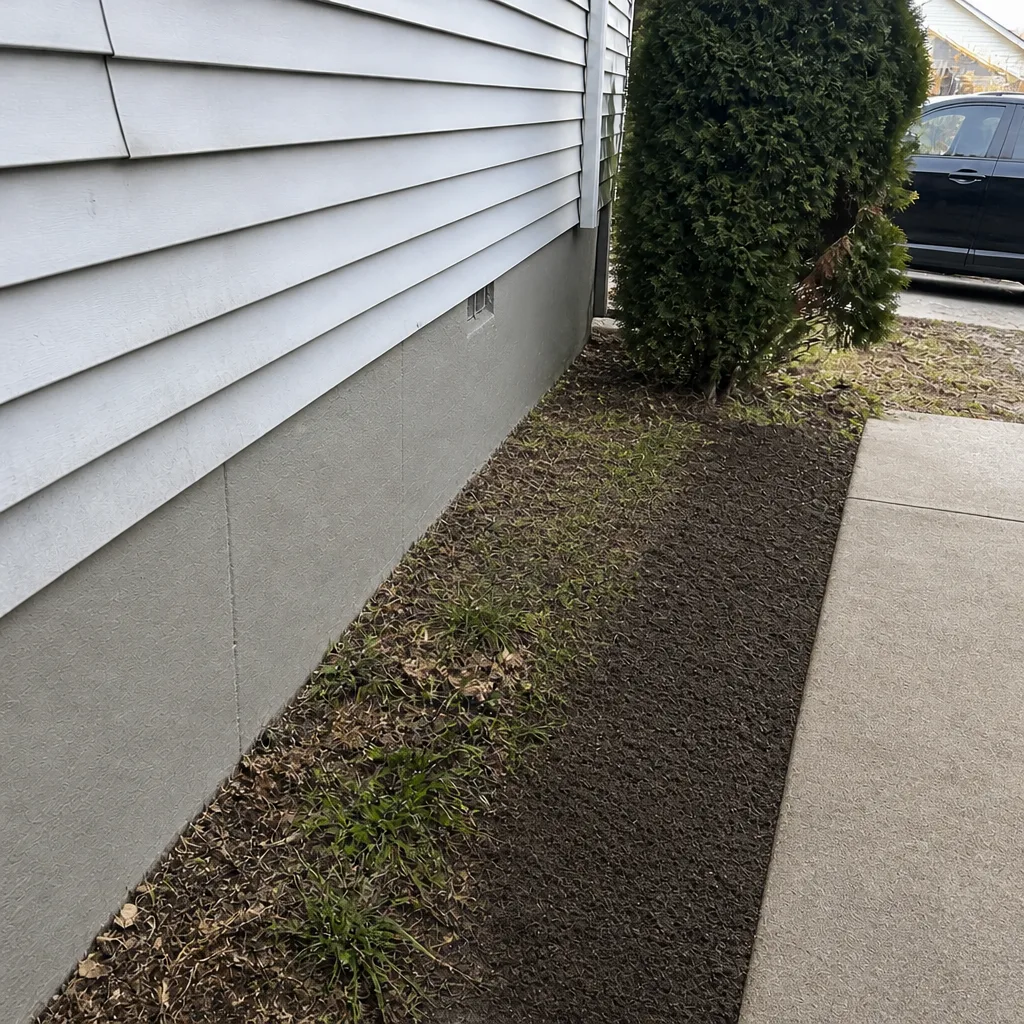 After
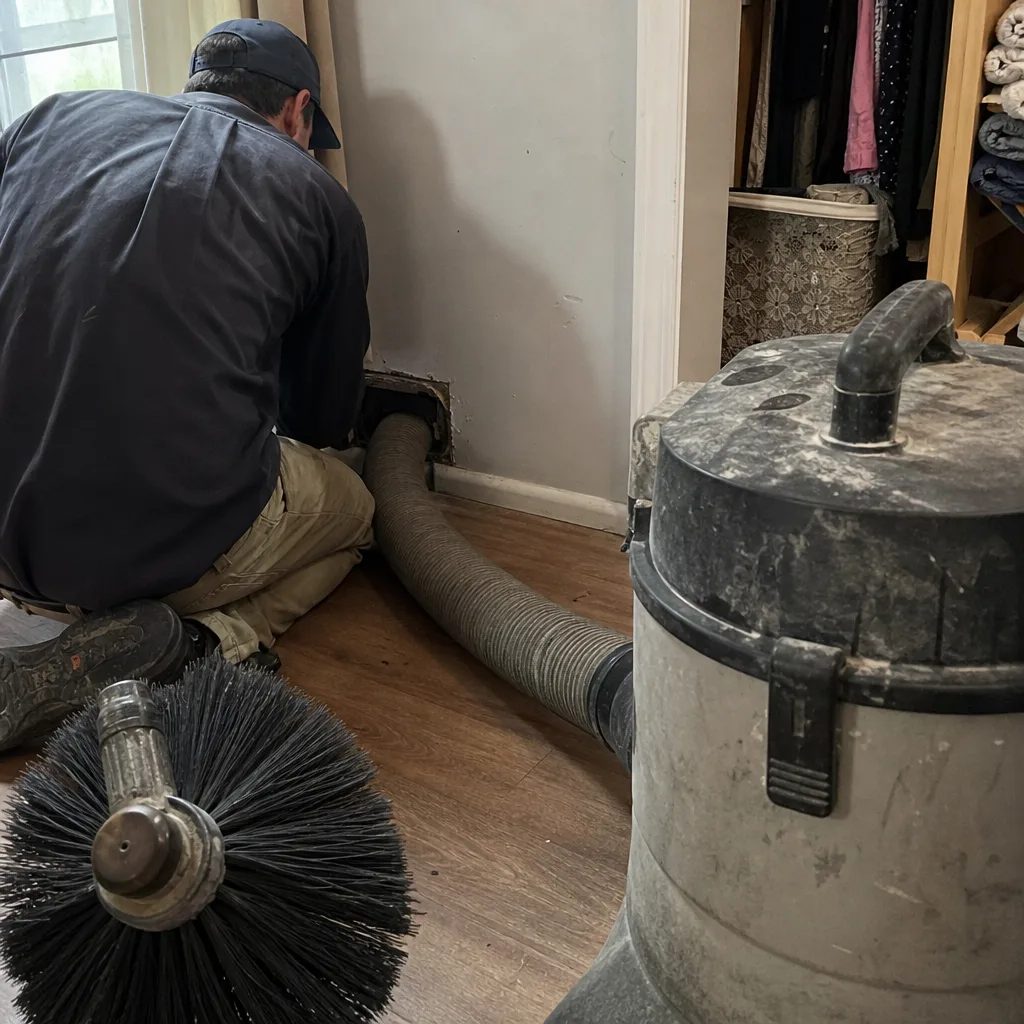 Before
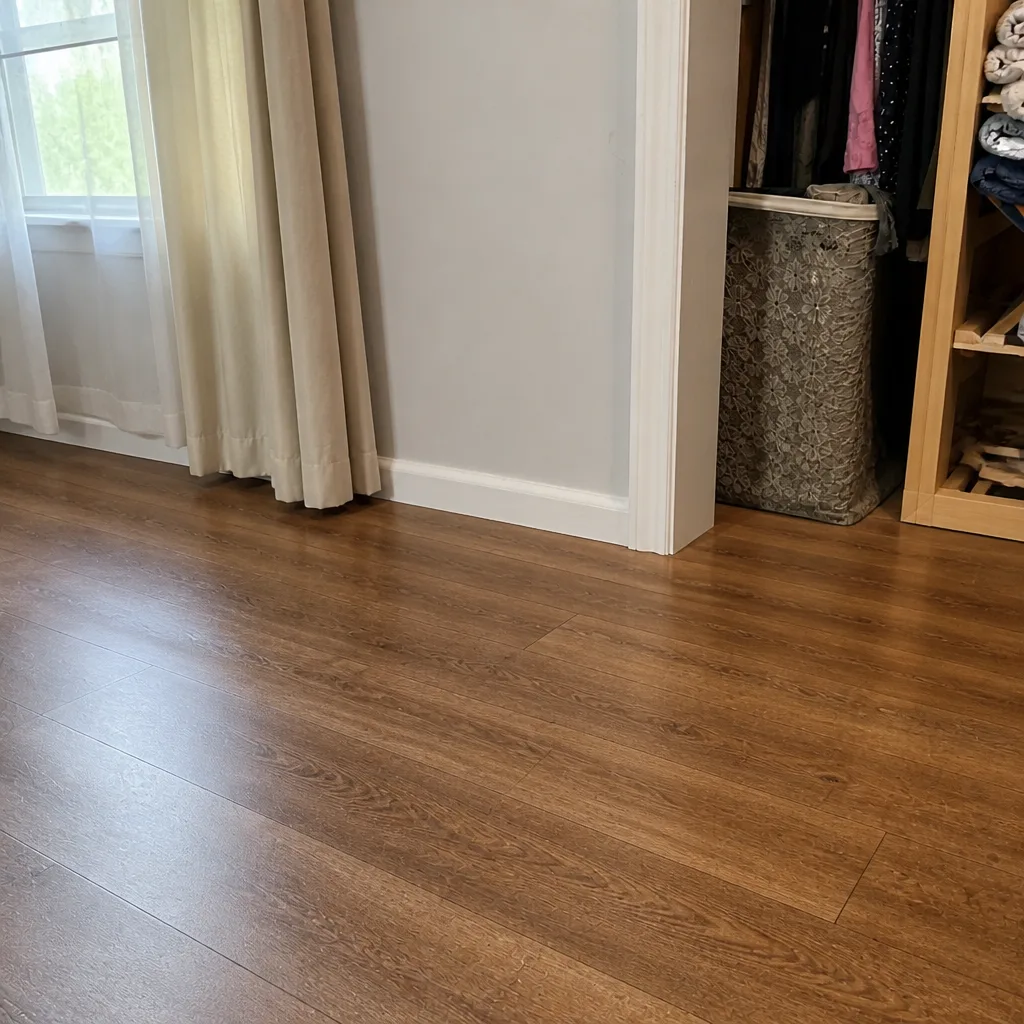 After
 Before
 After
When to Call a Professional
Duct cleaning gets put off for years because there’s rarely a dramatic moment that makes it urgent, but a few signs do justify a call. If you notice visible dust puffing from registers when the heat comes on, or consistent dust buildup in rooms you clean regularly, that’s your system telling you it’s overdue. If anyone in the home has recurring allergy symptoms worse indoors than outside, or if you’ve recently finished a renovation, the debris load in the ducts is likely above what a routine filter change handles. A disconnected or crushed duct, a persistent musty smell near a register, or a dryer that takes noticeably longer to dry clothes than it should are also strong reasons to bring in a trained professional.
Some signs point to dry work too: a dryer vent with lint buildup is a fire risk that warrants professional attention, not a DIY poke with a shop vac. Duct Cleaning Syracuse offers free estimates in Syracuse with one flat price per system agreed before work starts, before-and-after photos of your own system, and equipment from Rotobrush, Nikro, Abatement Technologies and Guardsman on every job. Call (855) 819-5569 to book a free estimate. We answer 24/7. Fast dispatch from 7am to 7pm, Sunday through Friday.
Frequently Asked Questions
Ask for the CFM rating of their vacuum, the filtration class of their filters, the brush diameters they carry, and whether they own or rent their equipment. A company using quality tools answers in numbers and brand names; a company relying on vague language gives you “industrial-grade” and changes the subject. Also ask for before-and-after photos of your own system. That’s a direct way to verify the cleaning happened. Call (855) 819-5569 for a free estimate and we’ll walk you through exactly what equipment we bring.
Rotobrush systems and truck-mounted vacuums solve different parts of the same job, so it’s not a better-or-worse comparison. Rotobrush provides mechanical brush agitation paired with vacuum extraction, which is what actually breaks debris off duct walls. Truck-mounted systems provide higher airflow and outside-the-home vacuum, which matters in heavier or longer duct runs. The right combination depends on your home’s layout. Call (855) 819-5569 for a free estimate and we’ll assess what your system needs.
HEPA-rated filtration matters most in homes with airborne health concerns, recent renovation dust, or mold spores. It’s the spec that keeps fine particulate from redistributing into your air during the cleaning. In homes with a whole-home system tied to Honeywell or Aprilaire equipment, HEPA-rated capture is generally the standard you want. Not every job needs it, but every buyer should know whether their contractor offers it. Call (855) 819-5569 for a free estimate and we’ll tell you what filter class fits your situation.
Quotes differ because the equipment, time, and process differ. A shop vac setup that takes an hour costs less to run than a Rotobrush and Nikro system with containment and post-clean documentation. A very low quote generally means a lower scope somewhere, often equipment, or an upsell waiting once the technician arrives. Ask what the quote includes and which equipment is used. One flat price per system agreed before work starts is the honest format; call (855) 819-5569 for a free estimate in that format.
Only if repair is part of their service. Many duct cleaning operations clean and leave, which means structural problems found during cleaning stay unaddressed. Duct repair as a standalone service changes that: the same visit documents the failure and can often correct it. If your system has a crushed flex run or a disconnected joint, cleaning around it doesn’t solve the airflow problem. When in doubt, ask upfront and call (855) 819-5569 for a free estimate that covers both cleaning and repair.
Most homes in Syracuse benefit from cleaning every three to five years, more often if there’s been a renovation, pets indoors, or visible dust at registers. Homes with long, heavy heating seasons and a history of deferred maintenance often run dirtier than the homeowner expects. The practical move is to ask about duct condition on the first visit and let the inspection guide the schedule from there. Call (855) 819-5569 for a free estimate and we’ll assess what your system needs.
The Bottom Line
Equipment is the specification that determines what a duct cleaning actually accomplishes, and it’s the first thing to evaluate when comparing brands in Syracuse. Ask for CFM ratings, filtration class, and brush diameters. Notice whether a company talks about its tools in specifics or hides behind “professional equipment.” Confirm whether they repair duct failures or just clean around them. A focused company with three services and real equipment on the van has less to explain and more to show. Duct Cleaning Syracuse brings Rotobrush, Nikro, Abatement Technologies and Guardsman equipment to every job with free estimates and one flat price per system.
Contact
Ready to see what your ducts actually look like? Call (855) 819-5569 for a free estimate. We answer 24/7. Fast dispatch from 7am to 7pm, Sunday through Friday. One flat price per system agreed before work starts, before-and-after photos of your own ducts, and professional-grade equipment on every job.
Written by the team at Duct Cleaning Syracuse.