
Last updated November 15, 2026
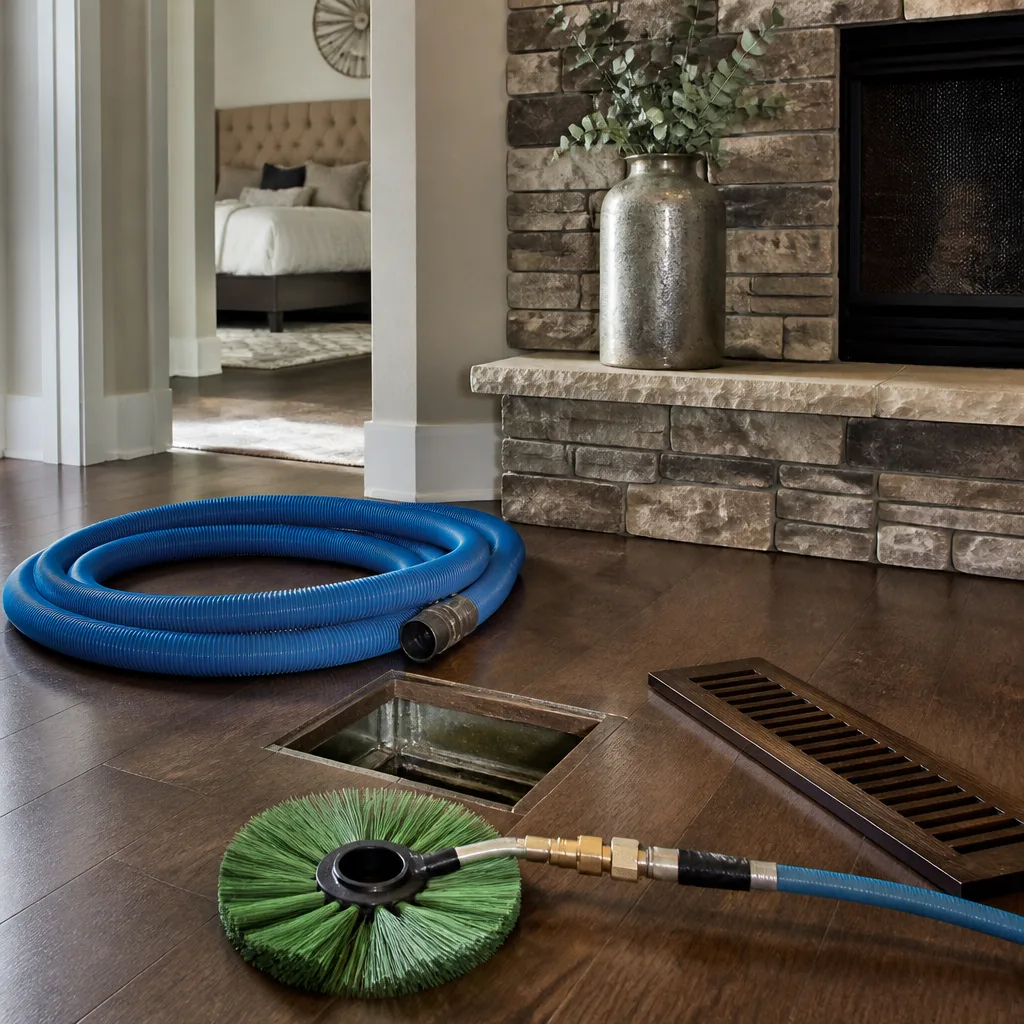 Whole-home duct cleaning
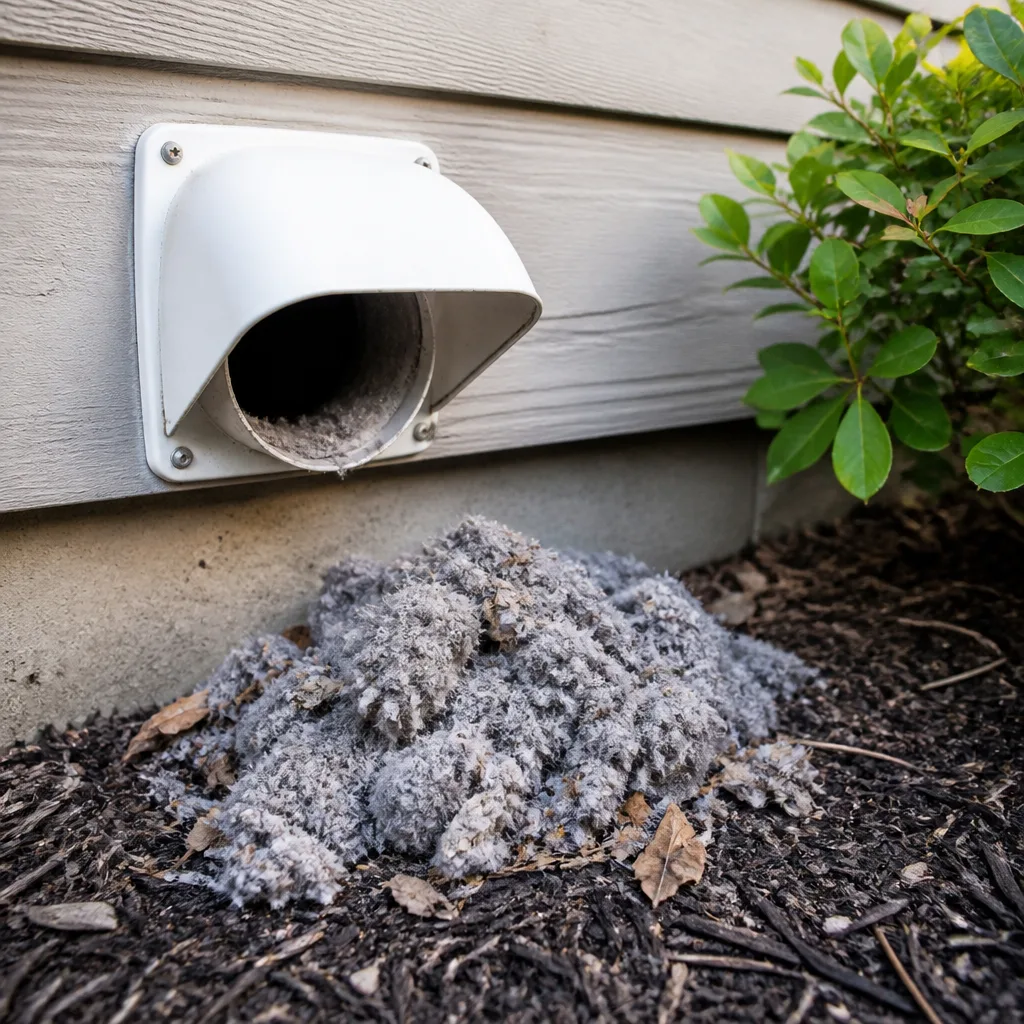 Dryer vent cleaning
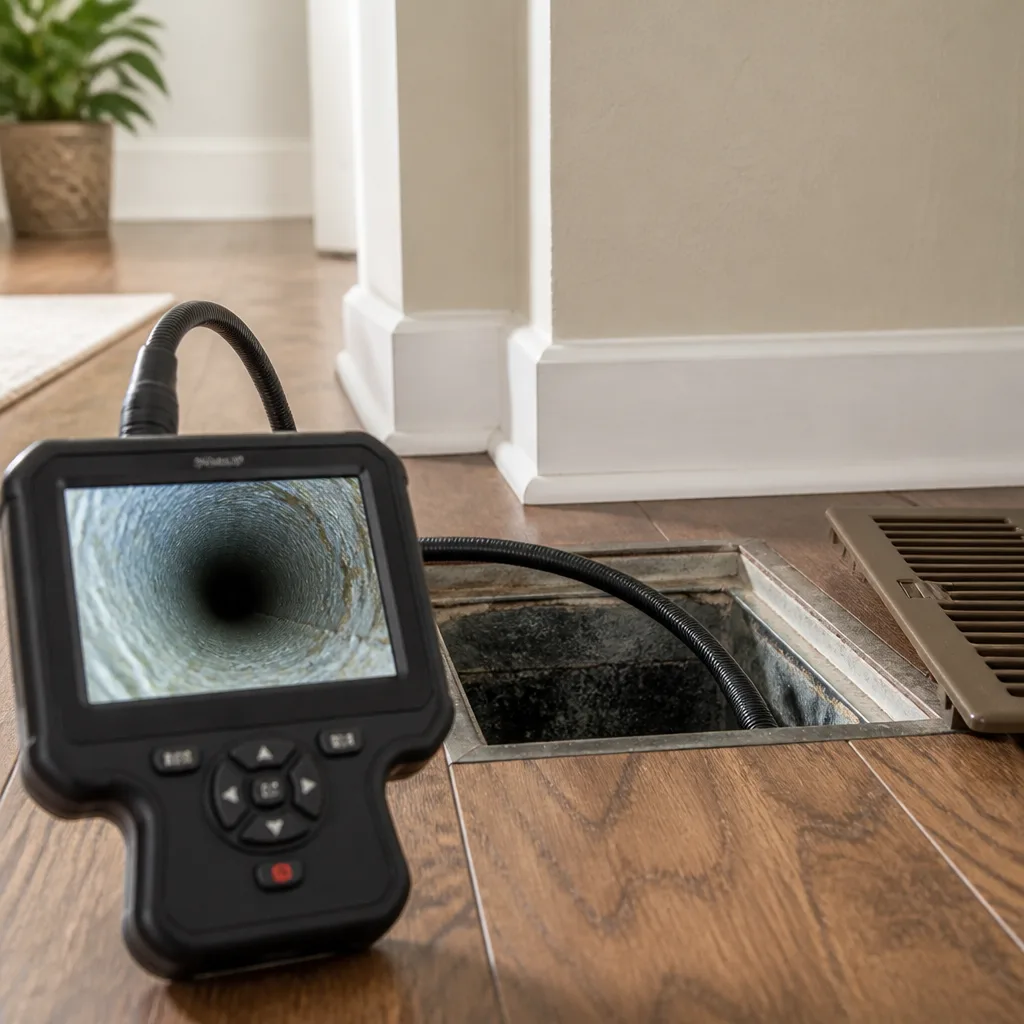 Camera inspection
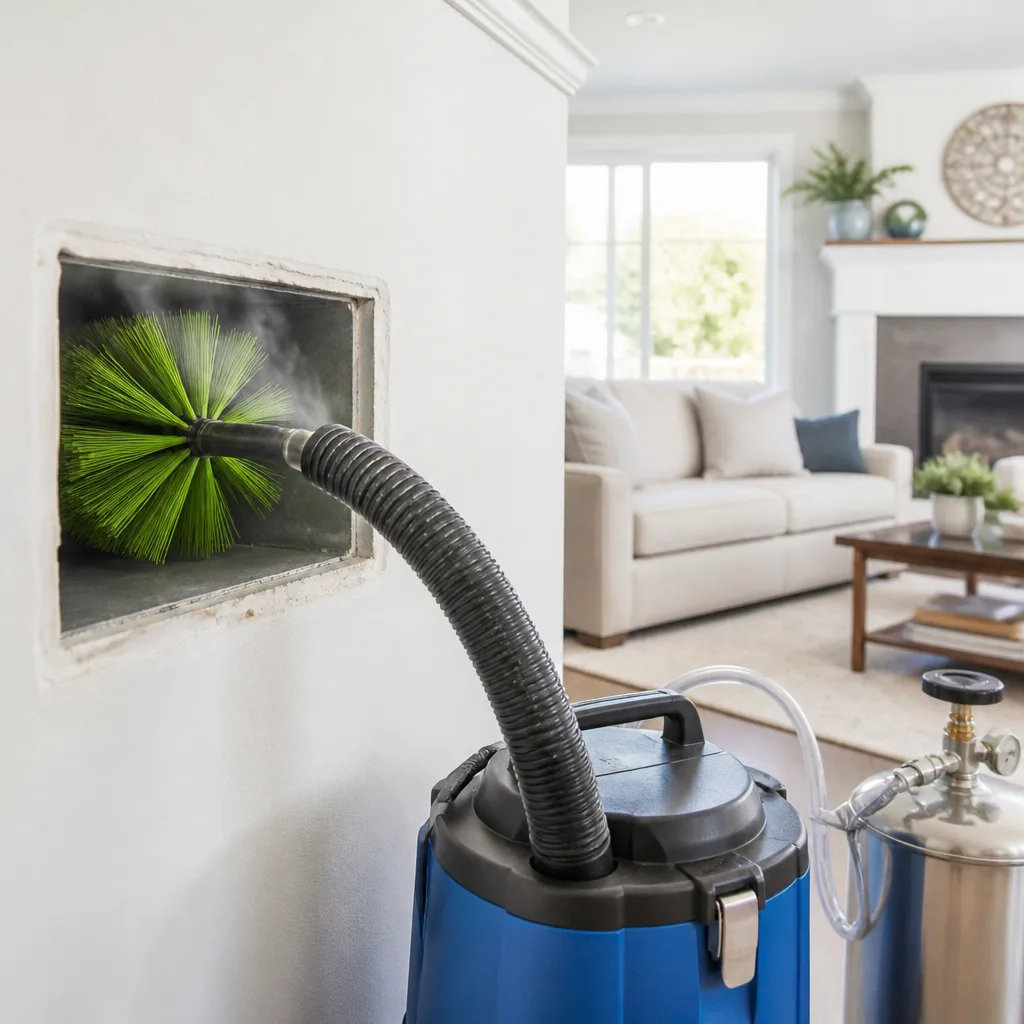 Sanitizing & deodorizing
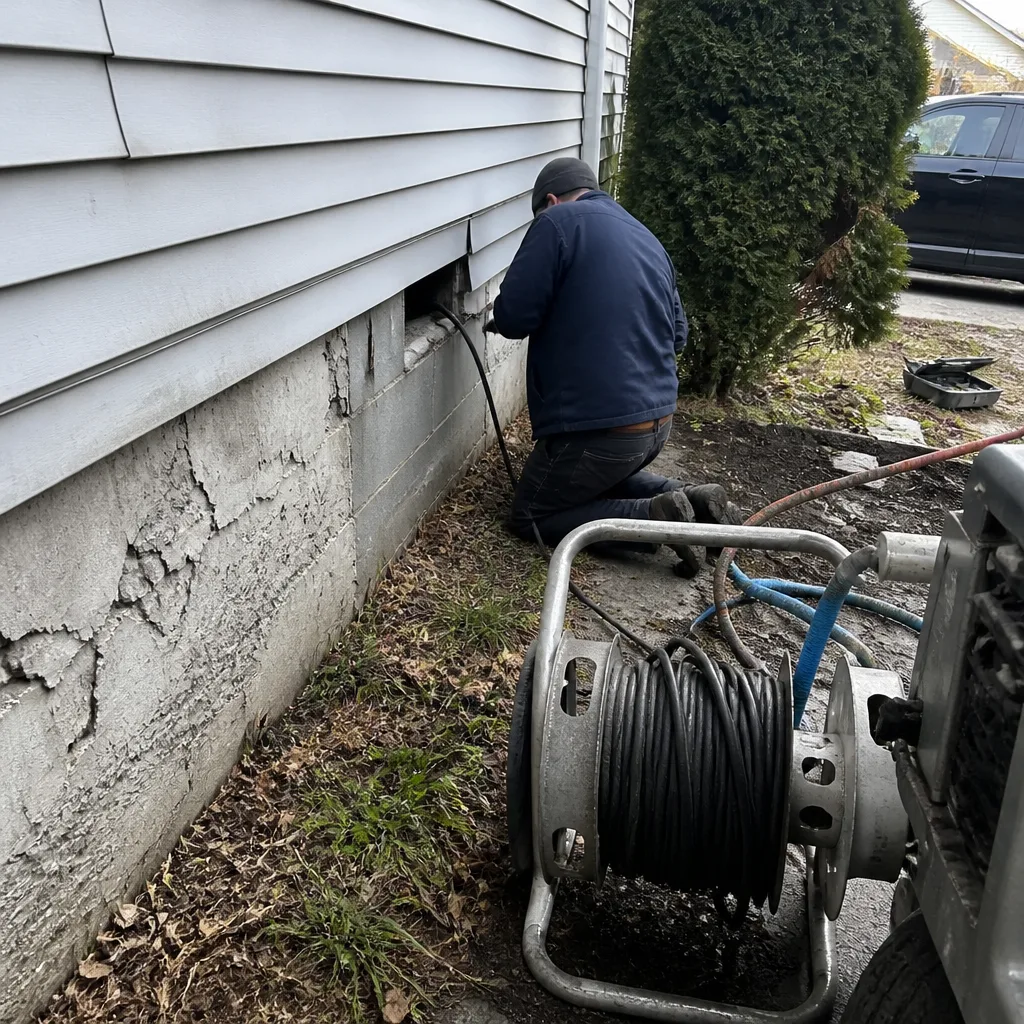
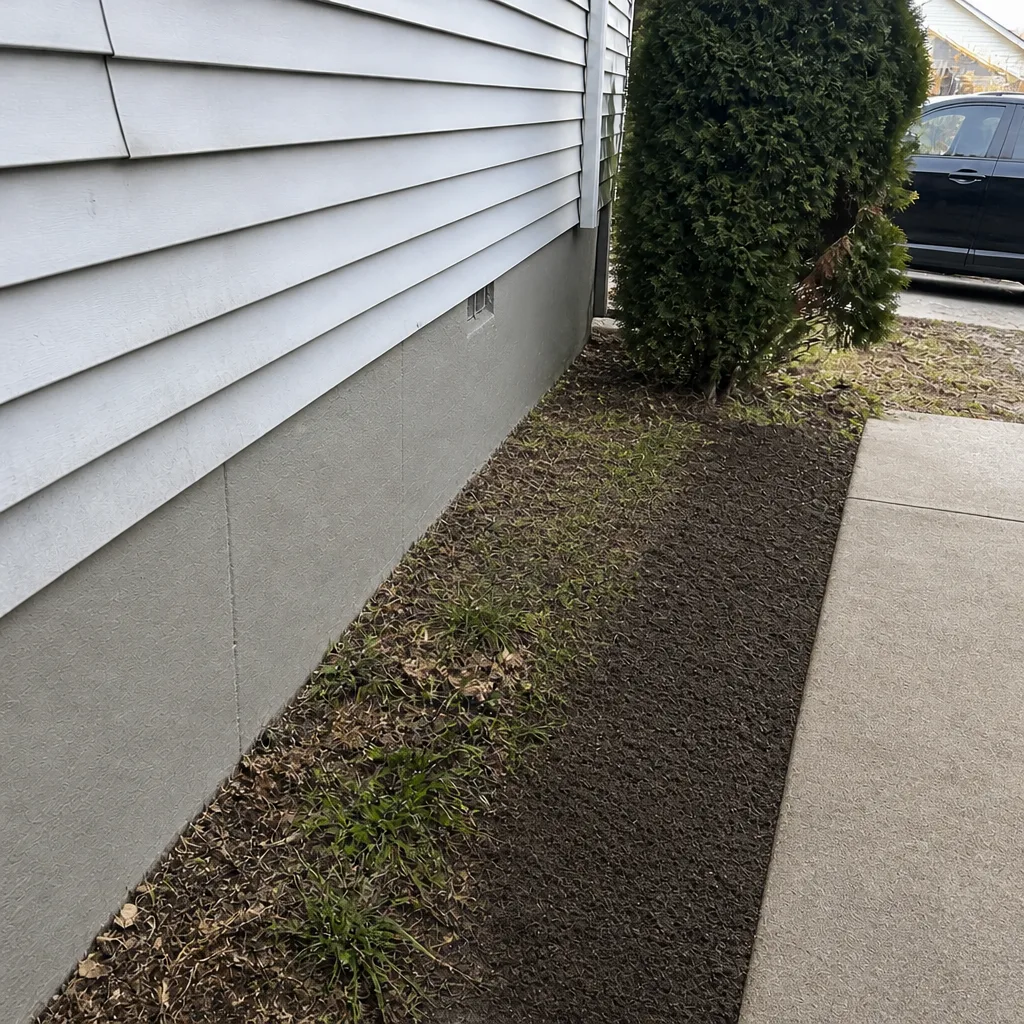
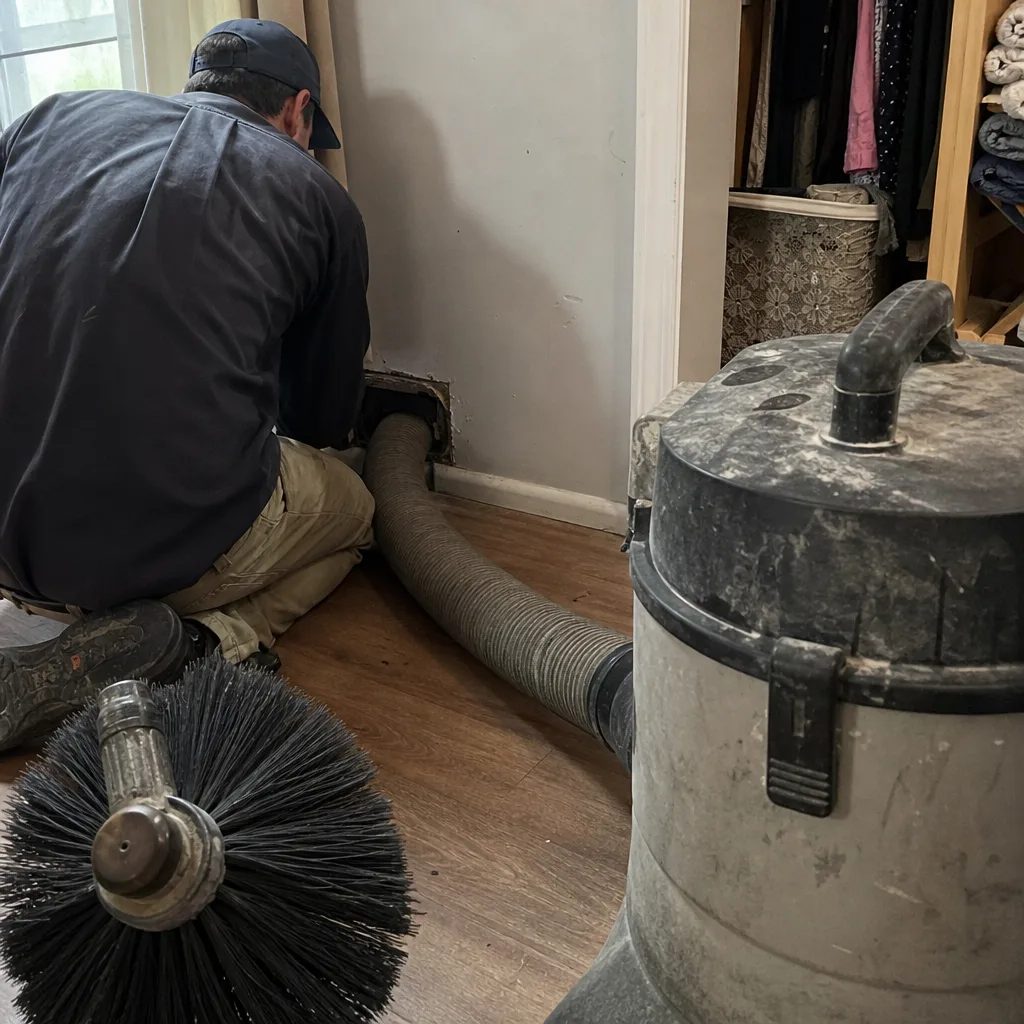
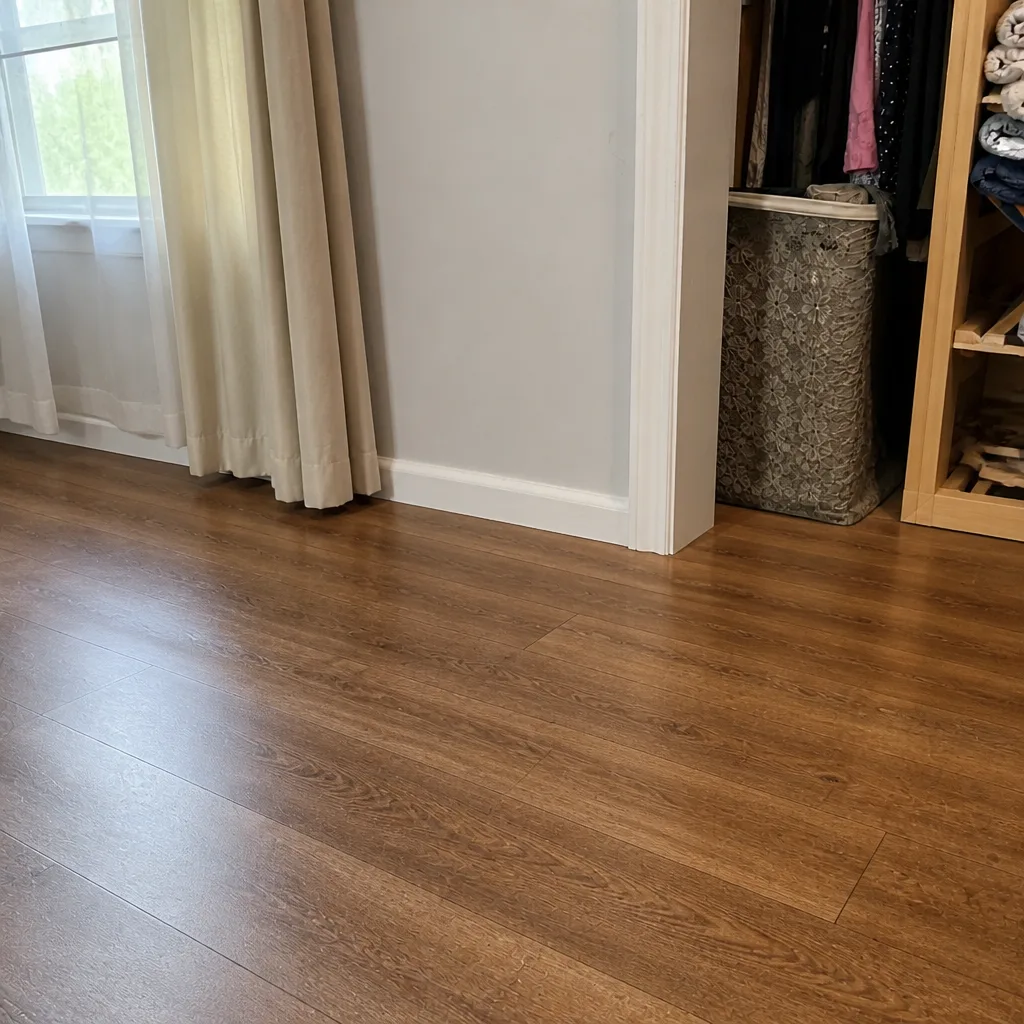
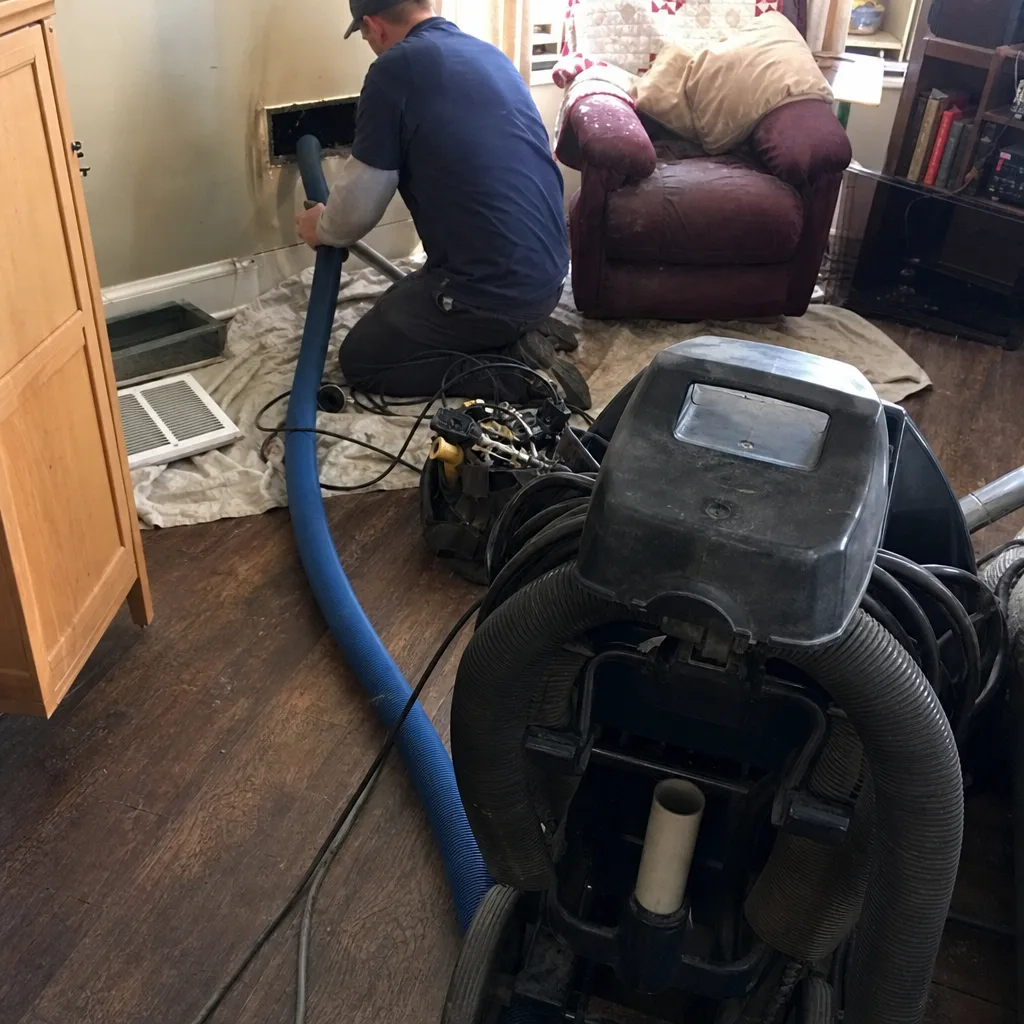
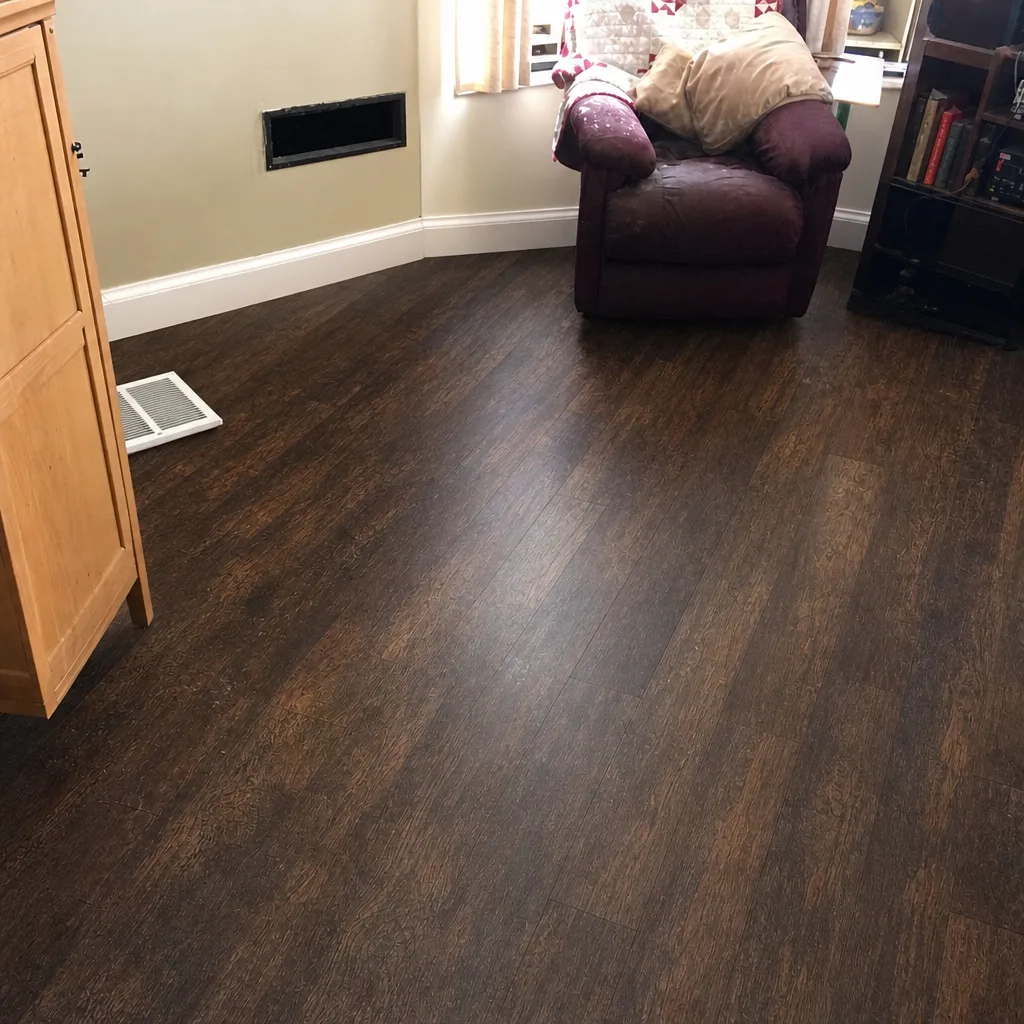
Whole-system duct and dryer vent check with before-and-after photos - you see exactly what came out of your vents
That "$99 whole-house special" is a bait ad - the real number appears once they are in your hallway, or the "clean" is a shop-vac at the register. We photograph the inside of your ducts before and after instead.
Seasonal Air Duct Cleaning Care for Syracuse: Year-Round Homeowner’s Guide
October furnace startup is the highest-odor moment of the year for most duct systems in Syracuse, and it’s rarely a sign that something has gone wrong. Settled summer dust meets a hot heat exchanger for the first time, and the whole house smells like a workshop for a few hours. That first cold-morning smell tells you more about your duct system’s condition than any inspection report. Homeowners who know what’s normal at each seasonal transition stop chasing phantom problems and start catching real ones early. This guide walks through the four stress periods Syracuse duct systems actually go through, what each one loads into the system, and the one practical check worth doing each month.
Quick Answer
Syracuse duct systems go through four distinct stress periods a year, not one, and each loads the system differently: fall brings settled summer dust and possible condensation near the A-coil, winter makes return-side buildup most visible through dry forced-air heat, spring pushes outdoor pollen through intakes and return leaks, and summer creates the humidity and condensate conditions that let microbial growth take hold in ductwork. Aligning your checks to those four periods is more useful than a generic annual cleaning reminder. Most Syracuse homes do well on a whole-system cleaning every few years, with visual checks and filter attention in between.
Styles & brands we work with
- Whole-home duct cleaning
- Dryer vent cleaning
- Camera inspection
- Sanitizing & deodorizing
Table of Contents
- Why Syracuse Ducts Have Four Stress Periods, Not One
- Fall: What a Syracuse Summer Leaves Behind
- Winter: Dry Forced-Air Heat and Return-Side Buildup
- Spring: Pollen Infiltration and Outdoor-Sourced Debris
- Summer: A-Coil Condensate, Humidity, and Moisture Risk
- The Month-by-Month Reference Card
- When Cleaning Isn’t Enough: Duct Repair as a Seasonal Fix
- What Professional Equipment Actually Changes
Why Syracuse Ducts Have Four Stress Periods, Not One
A duct system is a fixed piece of equipment living in a climate that changes hard four times a year. In Syracuse that means humid lake-effect summers, a long cold stretch of forced-air heating, a spring pollen burst that hits Central New York fast, and a fall transition that runs the furnace for the first time since April. Each season loads the ductwork with a different type of contamination at a different rate. Treating all of it as one annual chore misses the point.
Here’s what we mean in practice. A system that sees heavy pollen infiltration in May and runs a dry furnace from November through March carries two different loads by the time spring arrives again. The pollen load sits mostly on the return side and near fresh-air intakes. The winter load is fine dust from a dry house, plus whatever the furnace filter couldn’t catch. Humidity-driven moisture is a third condition entirely, and it lives close to the A-coil and the drain pan.
Understanding those differences changes what you check and when. A homeowner in Syracuse who looks at the return grille in January will see something different from a homeowner who looks at the same grille in July. Neither is wrong. They’re showing different seasons of the same system.
The four periods at a glance
- Fall (September to November): summer dust settles and heats up for the first time, condensation may pool near the A-coil as cooling stops.
- Winter (December to February): dry forced-air heat accelerates fine dust circulation; return-side filters and plenums show buildup fastest.
- Spring (March to May): pollen infiltrates through fresh-air intakes and any return-side leaks; outdoor-sourced debris appears.
- Summer (June to August): humidity and A-coil condensate create the conditions under which microbial growth becomes possible.
If you do nothing else this year, learn which of those four periods is heaviest for your own house. That’s where your attention goes first.
Fall: What a Syracuse Summer Leaves Behind
By the time September arrives, your duct system has been carrying three months of humid air, pollen, and normal household dust. When the furnace starts running, that material gets a sudden heat source. The smell that follows is the single most common reason homeowners call us in the fall, and in most cases it’s settled dust burning off, not a failure. It usually fades within a few heating cycles.
What’s worth checking in fall is moisture. As the cooling season ends, the A-coil stops producing condensate and any standing water in the drain pan or near the coil casing has time to dry out slowly. That slow drying is exactly when moisture-related problems start. If the pan or nearby duct lining stays damp through October, it’s a sign the condensate drain isn’t draining fully, which is worth investigating before the system sits wet all winter.
Fall checklist for Syracuse homeowners
- Note the first-startup smell. If it clears over two or three heating cycles, you’re fine. If it returns with every cycle or smells like must, it’s worth a closer look.
- Look at the A-coil access panel area. Any visible standing water, staining, or musty smell points to a drainage issue.
- Replace the filter before the first cold snap. A dirty filter from summer pushes dust straight into the heat exchanger and the return trunk.
- Check the condensate drain pan before winter. Empty, clean, and dry is the goal. Standing water heading into winter is the one thing you don’t want.
- Watch for soot or staining at supply registers. Any black staining near a register points to duct condition problems worth professional attention.
Fall is also the window when we most often find issues during a routine air duct cleaning visit: failed flex duct in the attic, disconnected boots behind wall cavities, and filter grilles installed backward. Cleaning alone doesn’t fix those. That’s repair work.
Winter: Dry Forced-Air Heat and Return-Side Buildup
Once the furnace runs steadily, indoor relative humidity drops. In Syracuse homes, that means dry air, more air movement through the ductwork, and more visible dust on surfaces and register faces. It’s not that the house suddenly makes more dust. It’s that dry air carries fine dust differently, and dry ducting holds it less. That’s why winter is the season when return-side buildup is most obvious.
The return side is where dust concentrates. Every grille feeds back through the return trunk, and the filter catches most but not all of it. Look at the return grilles in February and you’ll see the pattern: heavy accumulation on the grille itself, less at the supply registers, and streaks inside the return plenum if you can get a look with a flashlight.
What to check in winter
- Return grille and filter condition every 30 days if the furnace runs constantly.
- Any visible dark streaks on supply register faces (fine-dust staining).
- Whether some rooms feel stuffier than others; uneven airflow often means a duct issue, not a furnace issue.
- Seasonal static and dust from humidifier use if you run a whole-home humidifier.
If you’re running a Honeywell or Aprilaire whole-home humidifier, its pad or canister needs attention on the schedule the unit specifies. A humidifier that’s scaled up or misadjusted can push moisture into ductwork where it shouldn’t be. Keeping the duct system and the humidifier in sync is part of what we look at when we’re in a Syracuse home for dryer vent cleaning and add a quick look at the HVAC side.
Spring: Pollen Infiltration and Outdoor-Sourced Debris
Central New York gets a fast, heavy pollen season, and duct systems pull that pollen in through two paths: fresh-air intakes connected to the return, and small leaks in return ducts that run through unconditioned spaces. Spring is when you’ll see outdoor-sourced contamination show up, and it looks different from what the house generates itself.
Outdoor-sourced vs. indoor-generated debris
- Outdoor-sourced: fine yellow-green dust, tree pollen, and small leaf material. Concentrates near fresh-air intakes, return grilles on exterior walls, and any isolated cold-air return runs in the attic or crawlspace. Usually lighter color, sometimes visible as powdery film near grilles.
- Indoor-generated: gray lint, pet hair, textile fibers, and skin cells. Concentrates on the return grille and the first few feet of the return trunk. Darker, stringier, often tangled with hair.
- Mixed: most homes see this after two or three years. Both are present, and the ratio tells you something about which side the system is pulling from.
If a spring look at the return grille shows heavy outdoor-sourced material, that’s a sign return leaks are pulling attic or exterior air into the system. Sealing those leaks is often the single highest-value fix you can make. It’s also the reason our duct cleaning Syracuse visits typically start with a visual inspection of the entire return system before any equipment runs.
Spring checklist
- Inspect return grilles for yellow-green or powdery dust contrasted against darker indoor lint.
- Check fresh-air intake screens if your system has one; clean or replace as needed.
- Look at cold-air returns in the attic or crawlspace for disconnected flex, torn insulation, or sagging runs.
- Note if certain rooms get dustier during pollen season than the rest; that can point to a return-side leak nearby.
Summer: A-Coil Condensate, Humidity, and Moisture Risk
Summer is the season that matters most for moisture. The A-coil sits downstream of the return trunk and produces condensate continuously while the system cools. Most of that water drains away cleanly. Some of it, on a system with a slow drain, an undersized trap, or a pan that’s tilted wrong, ends up pooling where it shouldn’t. The problem isn’t the cooling itself. It’s the moisture that cooling creates.
When the inside of a duct system stays wet for weeks, the conditions for microbial growth appear. That’s not a claim that your ducts are moldy; it’s a maintenance reality that any duct professional has to consider. The fix depends entirely on what’s actually there: the moisture source, the extent of any growth, and whether the duct lining is still structurally sound. That’s why our diagnostic approach in summer starts with moisture, not with the cleaning equipment.
What to look for in summer
- Water stains or rust around the A-coil access panel, drain pan, or plenum.
- Musty or damp smell when the AC first starts. If it clears in a minute, it’s usually the coil. If it lingers, look further.
- Condensate drain line that’s slow, clogged, or has standing water at the trap.
- Any duct lining that feels damp or shows visible discoloration near the coil case.
If you’re running an Aprilaire or Honeywell whole-home air quality system, summer is also when those components need a check. A dirty media cabinet or a saturated filter reduces airflow across the coil, which can create the slow, damp conditions you’re trying to avoid. Keeping the duct system and the air quality gear working together is part of a properly integrated setup.
What to do if you suspect moisture in the ducts
- Find the moisture source first. Drain pan, drain trap, disconnected condensate line, or a plumbing drip.
- Stop the cooling system if the pan is overflowing or the drain is backing up, and get the drain cleared before running the AC again.
- Call a professional before treating anything as a duct-cleaning problem. Moisture issues and duct condition issues have different fixes.
- Have the duct interior inspected with a camera if you can’t see inside directly. That’s what tells you whether cleaning, repair, or both are needed.
This is also where professional equipment matters. Abatement Technologies equipment exists in our kit for exactly these situations: elevated indoor air quality scenarios that need containment, not just a vacuum pass.
The Month-by-Month Reference Card
Here’s the practical version. Rather than “schedule cleaning annually,” here’s what to actually do twelve months a year in a Syracuse duct system. None of these take more than ten minutes.
January through March (winter)
- Every 30 days: check filter and return grille. Replace filter on the label schedule or sooner if visibly gray.
- Mid-February: inspect return trunk where accessible; look for streaks or heavy buildup on the first segment after the grille.
- Any time rooms feel stuffier than usual: note which rooms and when. Uneven airflow is worth investigating.
- If you run a whole-home humidifier: check pad or canister condition and adjust the humidistat per the manufacturer.
April through June (spring)
- April: return grille inspection for outdoor-sourced pollen and debris.
- May: check fresh-air intake screens and any cold-air returns in the attic or crawlspace for disconnected or torn runs.
- Late May: full visual check of accessible ducting for summer readiness (no damp spots, no disconnected boots).
- Early June: before the first real cooling stretch, verify the condensate drain runs free.
July through September (summer)
- Monthly: look at the A-coil access area and drain pan for standing water, rust, or staining.
- If you smell must when the AC starts: note whether the smell clears fast or lingers, and get it inspected if it lingers.
- Mid-August: fresh filter, and clean media cabinet if you run an Aprilaire or Honeywell whole-home system.
- End of summer: one look at the return grille to see what the season has produced.
October through December (fall)
- First cold snap: expect the first-startup smell. Note whether it clears and how quickly.
- Before the first sustained furnace run: replace the filter.
- Late October: check the A-coil pan for leftover dampness or standing water before winter closes in.
- November: note ventilation quality in each room, especially bedrooms, and check for any supply register staining.
If a full inspection or cleaning is due in Syracuse, the best months are usually late spring and early fall. Both sit between the heaviest load periods, which means the system goes into the next season clean.
When Cleaning Isn’t Enough: Duct Repair as a Seasonal Fix
Some seasonal problems don’t respond to cleaning. A return duct running through an uninsulated attic in spring pulls pollen into the system, but no cleaning equipment fixes that: the leak is the problem. Same goes for a torn flex run in the crawlspace, a disconnected boot behind a wall, or a rusted-through section near the A-coil. Cleaning around those conditions just means the next season brings the same contamination back.
That’s why we separate duct repair from cleaning. Air duct repair is a standalone service in our roster, not an add-on. When a cleaning visit uncovers a structural duct problem, we document it, show what we found, and give you a written estimate for the repair. You decide whether to proceed.
Signs a seasonal problem is really a duct problem
- Outdoor pollen appears at grilles every spring no matter how recently the system was cleaned.
- The A-coil area stays wet or stained despite a working drain.
- Return-side buildup returns quickly after cleaning (within one season).
- Rooms have uneven airflow that doesn’t match the layout.
- Torn flex duct, disconnected fittings, or sagging runs are visible in an attic or crawlspace.
If any of those show up, repair usually comes before the next cleaning, not after. Cleaning a structurally compromised system gives you less than you paid for.
What Professional Equipment Actually Changes
A home shop vac and a duct system don’t belong together. A shop vac pulls a small amount of surface dust from a grille and calls it cleaning. That’s why the whole-system approach matters: mechanical agitation, HEPA-rated extraction, and equipment sized for duct volumes, not register depth.
What we bring to a Syracuse job
- Rotobrush rotary brush system. Mechanical agitation dislodges debris that vacuum-only approaches miss, especially in flex duct and along the return trunk where dust packs in.
- Nikro HEPA-rated extraction. Captures what the rotary brush dislodges at the source instead of redistributing it into living space.
- Abatement Technologies equipment. Handles elevated indoor air quality scenarios and containment where a routine clean won’t do.
- Honeywell and Aprilaire familiarity. We work within whole-home air quality setups instead of treating ductwork in isolation.
- Guardsman-grade protective products. Additional system care as part of the service, not just during the visit.
Our technicians have up to 14 years of experience, and most of that experience comes from situations where seasonal knowledge made the difference between a useful visit and a wasted one. If you’re looking at a Syracuse home with a system that’s been through several seasonal cycles since its last cleaning, the sequence that makes sense is: inspect first, clean the whole system, repair what we find, then set a filter schedule you’ll actually keep.
Common Mistakes to Avoid
- Treating “annual cleaning” as the whole maintenance plan. Seasonal checks catch issues that annual cleaning misses. Ten minutes a month beats one reminder a year.
- Chasing the first-startup smell as a problem. Fall furnace startup almost always smells like a workshop for a few hours. If the smell clears, you don’t have a duct problem; you have a season.
- Ignoring the return side. Supply registers get all the visual attention, but return grilles and the return trunk carry the bulk of the load. Check them first.
- Running the AC with a slow drain or standing water in the pan. That’s a moisture source above the ductwork, not a cooling issue. Get the drain fixed before the system runs again.
- Assuming summer must means mold. It might. It might also be the coil, a drain trap that’s dry, or a filter that’s overdue. Moisture in the system is a diagnosis problem, not a cleaning problem.
- Cleaning instead of repairing. If a return duct leaks into the attic, cleaning the system just gives the leak a clean slate for next season.
- Choosing a crew by lowest price only. Ask what equipment they bring, what they do if they find a broken duct, and whether the price is set before or after work begins. The answer tells you a lot.
See the difference
 Before
 After
 Before
 After
 Before
 After
When to Call a Professional
Call a professional if the first-startup smell doesn’t clear within a heating cycle, if the A-coil area stays damp or shows stains through the summer, if return-side buildup returns within one season of cleaning, if visible contamination appears at supply registers, or if you can’t see inside the ducts and want a real assessment. Also call if your home has never had a whole-system cleaning and you’re unsure when it last happened. Duct Cleaning Syracuse offers free estimates in Syracuse. Call (855) 819-5569. We answer 24/7. Fast dispatch from 7am to 7pm, Sunday through Friday.
Not every call becomes a cleaning job. Sometimes it’s a filter and a sealing conversation. Sometimes it’s a repair estimate. Occasionally it’s a referral to your HVAC contractor for a coil issue that isn’t ours to handle. We’d rather tell you what’s actually going on than sell you a service the season doesn’t need.
Frequently Asked Questions
Most Syracuse homes do well with a whole-system cleaning every two to five years, depending on whether pets, remodeling, or heavy pollen infiltration are factors. That’s a general range, not a schedule. A home with a return-side leak that pulls outdoor pollen in each spring may need repair before the next cleaning, and a home with a tight system and regular filter changes may stretch further between visits. A visual inspection answers the question better than a calendar.
Because settled summer dust is hitting a hot heat exchanger for the first time, and that dust is what you’re smelling, not a furnace problem. The smell usually clears within two or three heating cycles. If it returns with every cycle, or if it smells like must instead of dust, get it looked at. Call (855) 819-5569 for an inspection, free estimate included.
Outdoor-sourced material (pollen, fine powdery film) tends to be lighter in color and concentrates near fresh-air intakes and exterior return runs. Indoor-generated material (lint, hair, gray fiber) concentrates on the return grille face and the first stretch of return trunk. If both are present in heavy concentration, the system likely has a return leak pulling outdoor air in. A visual inspection will tell you which you’re seeing.
Not common, but the summer conditions that make it possible (A-coil condensate, slow drains, standing water, extended humidity) do occur in some Syracuse homes, especially where the drain pan isn’t draining cleanly. The realistic move is to check for moisture first and have the system inspected if the pan or duct lining shows evidence of water. Cleaning alone doesn’t fix a moisture source. Moisture and duct condition are separate diagnostics.
You can change filters, check grilles, and inspect what’s visible, but a full system clean isn’t a realistic DIY task. Rotary brushes and HEPA-rated extraction are sized for the volume and configuration of a whole duct system, and the risk of doing damage with consumer tools (especially in flex duct) is real. Stick to the monthly checks and leave the full clean to professionals with the equipment for it.
Prices vary by system size, accessibility, and whether repair is needed. We set one flat price per system, agreed before work starts, so you know what the visit costs before any equipment comes in. We don’t quote per-vent teaser prices, and we don’t surprise you with extra charges once we’re on site. Call (855) 819-5569 for an exact quote. Estimates are free.
Usually because they’re not doing the same work: a shop-vac pass at the grilles isn’t a whole-system clean, and a coupon figure often expands once the technician is on site. Ask what equipment gets used, whether the price is set before or after work begins, and what happens if a broken duct turns up mid-job. If any of those answers are vague, the quote probably is too. Call (855) 819-5569 for a written estimate that holds.
Ask for before-and-after photos of your own ducts, not stock photos. We provide them as part of the service, and they’re the single most useful check you have on a cleaning job. If a company can’t or won’t provide them, that’s your answer. Call (855) 819-5569 to book an estimate and ask what we’ll document.
The Bottom Line
Syracuse’s four seasons each stress your duct system differently, and the useful maintenance plan is the one that meets each season on its own terms. Check the return side in winter. Watch for pollen and return leaks in spring. Focus on moisture and the A-coil in summer. Treat the first-startup smell in fall as a signal, not a scare. A month-by-month look at what’s actually there outweighs an annual reminder every time. When the checks start pointing at something structural, that’s what professionals are for. Clean the system, repair what’s broken, and keep the filter schedule honest. The system will show you what it needs, season by season.
If you’d like a real assessment of a Syracuse system rather than a guess based on a calendar, we can help. Call (855) 819-5569 for a free estimate. We answer 24/7. Fast dispatch from 7am to 7pm, Sunday through Friday.
Written by the team at Duct Cleaning Syracuse.