
Last updated November 15, 2026
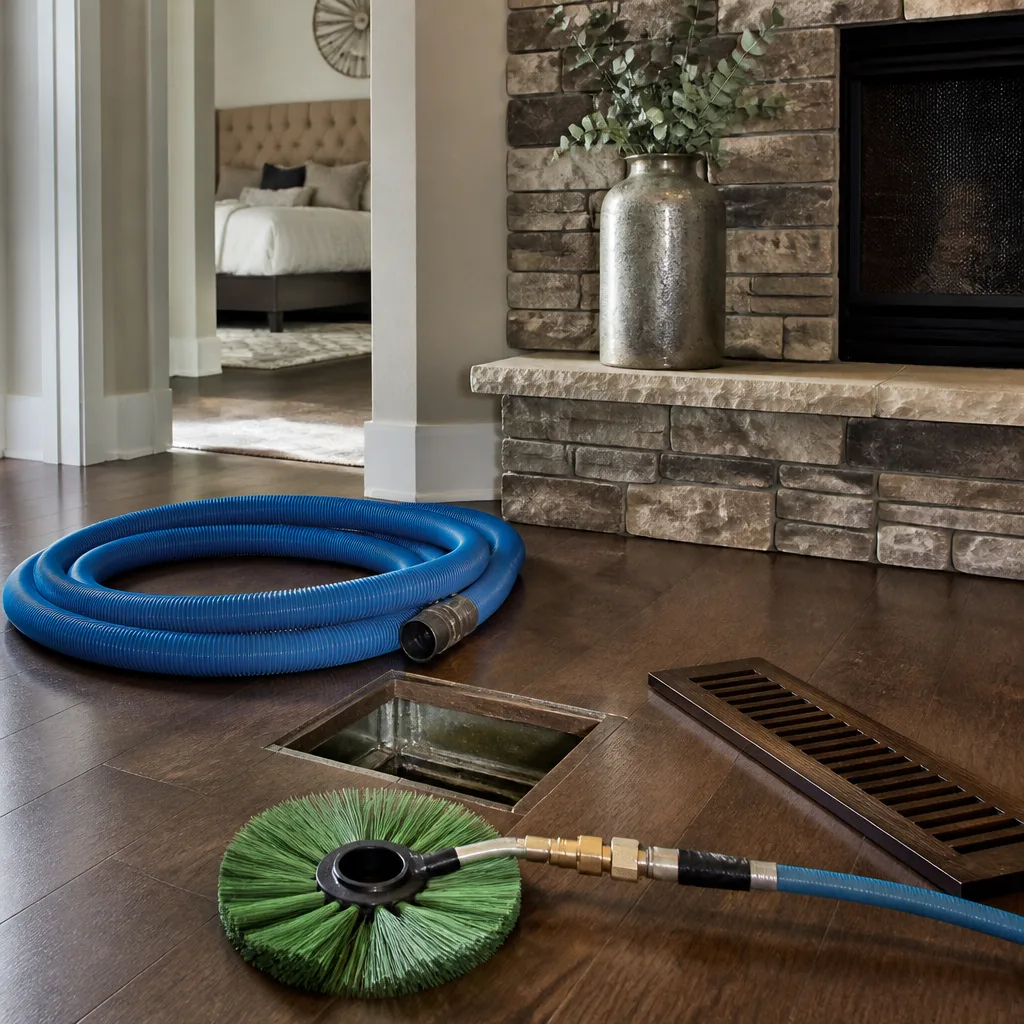 Whole-home duct cleaning
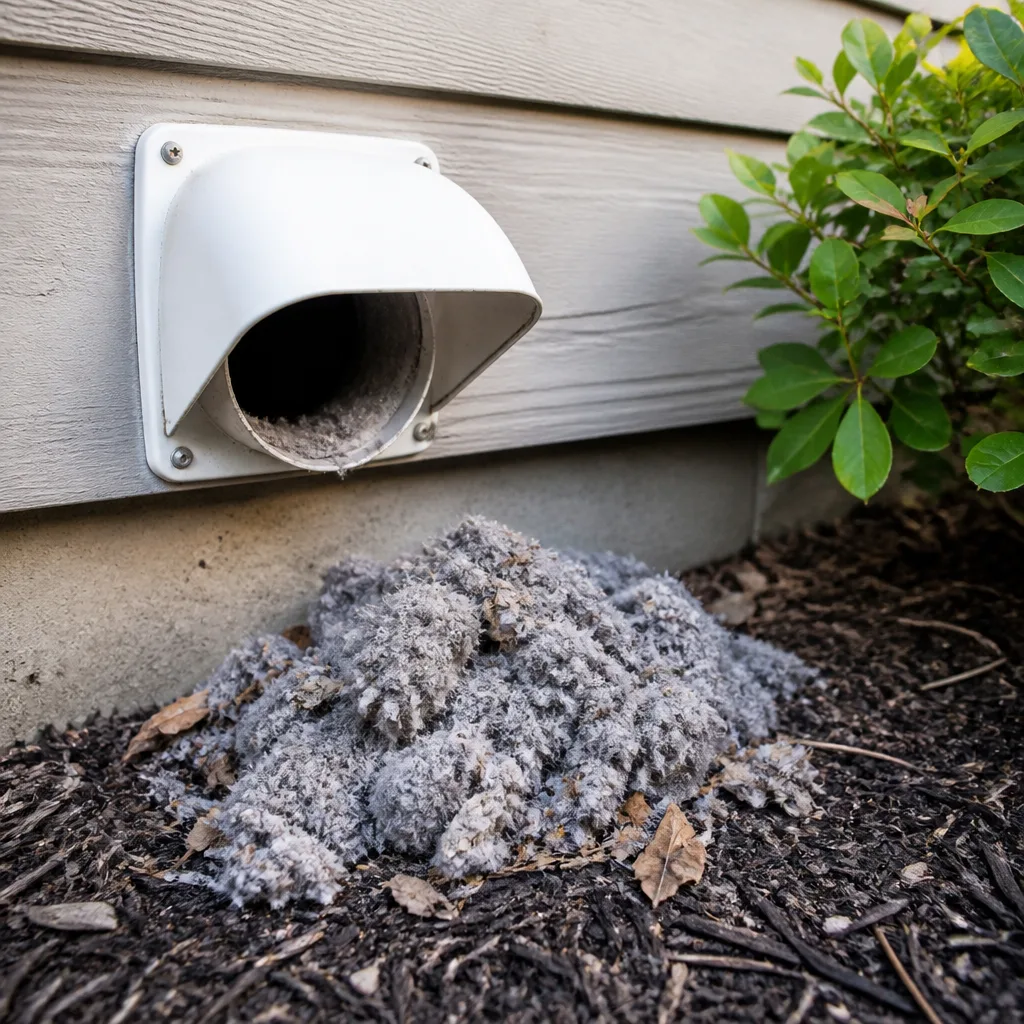 Dryer vent cleaning
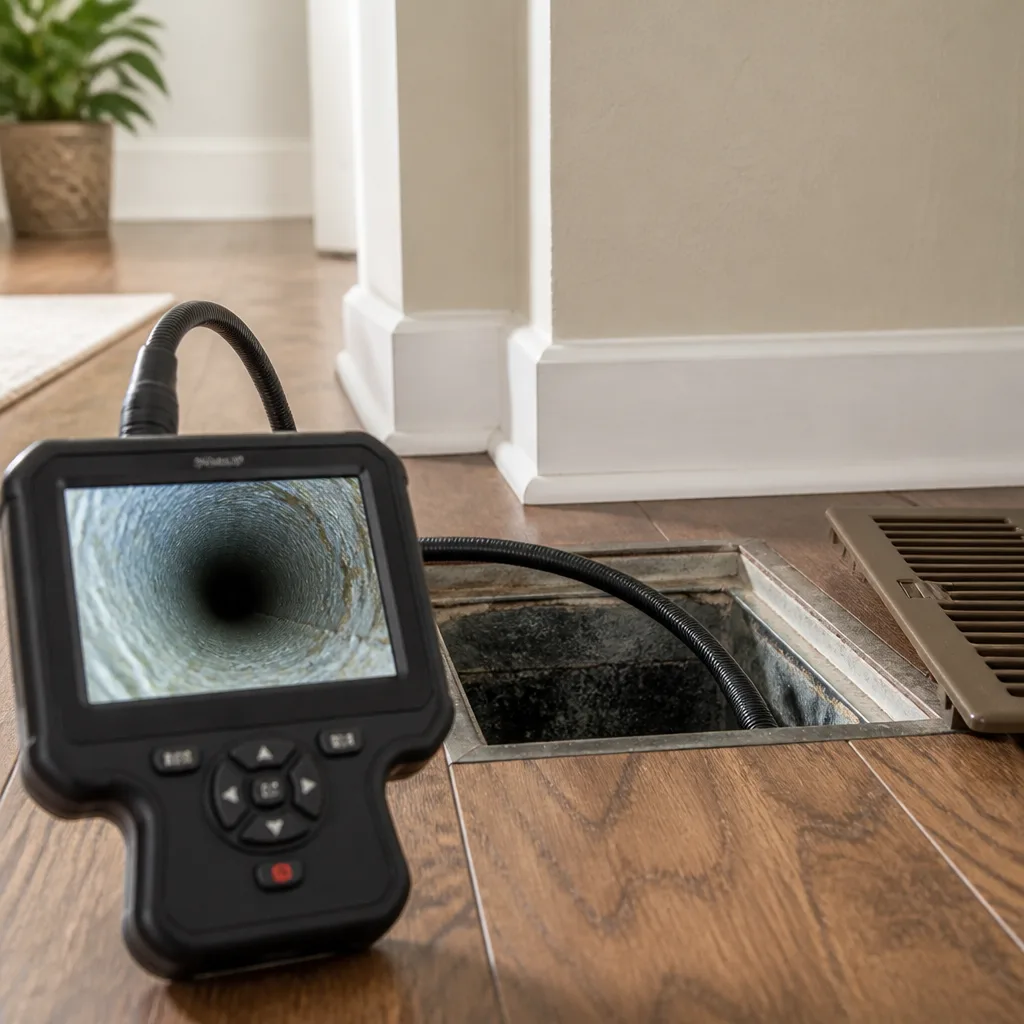 Camera inspection
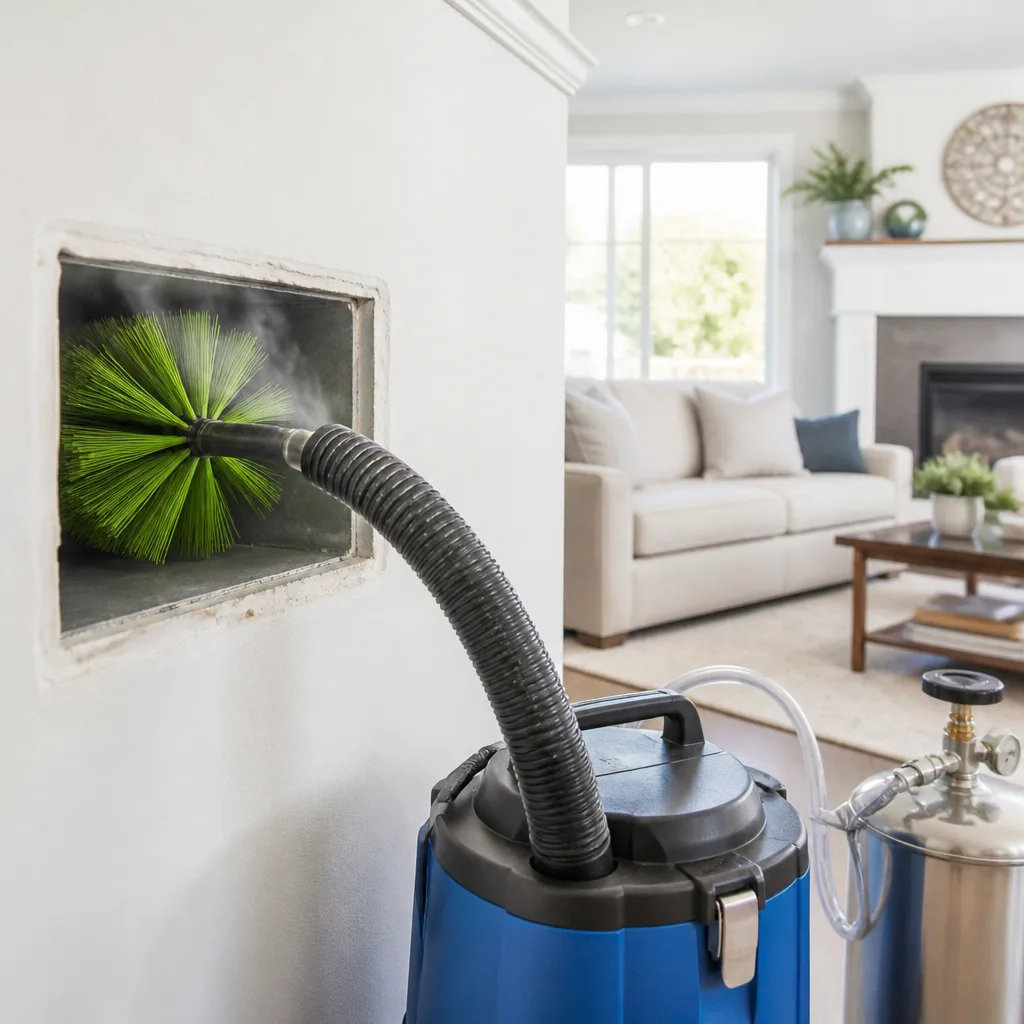 Sanitizing & deodorizing
Whole-system duct and dryer vent check with before-and-after photos - you see exactly what came out of your vents
That "$99 whole-house special" is a bait ad - the real number appears once they are in your hallway, or the "clean" is a shop-vac at the register. We photograph the inside of your ducts before and after instead.
The Complete Guide to Air Duct Cleaning in Syracuse
Most homeowners assume the duct cleaning industry’s biggest problem is sloppy work. It’s actually the sales pitch. The EPA does not recommend routine annual duct cleaning, yet plenty of companies around Syracuse sell it as a yearly necessity. That gap between what regulators say and what’s advertised tells you almost everything about how to separate a real cleaning from a marketing visit. In this guide we’ll walk the anatomy of a residential duct system, the actual mechanical steps a proper cleaning follows from register to air handler, and the specific conditions that warrant the work versus the ones that don’t.
Quick Answer
Air duct cleaning in Syracuse is worth doing when there’s a documented reason, such as visible debris, mold-like growth, pest activity, or a recent renovation, not on a calendar schedule. A thorough job uses negative pressure and mechanical agitation from register to air handler and runs several hours for a typical home. Duct systems in Syracuse’s older housing stock, much of it built before 1980, often hide flex duct retrofits that change how cleaning has to be approached.
Styles & brands we work with
- Whole-home duct cleaning
- Dryer vent cleaning
- Camera inspection
- Sanitizing & deodorizing
Table of Contents
- Why the “Clean Every Year” Pitch Doesn’t Hold Up
- What Syracuse’s Older Housing Stock Means for Your Ducts
- Conditions That Genuinely Warrant Cleaning
- The Anatomy of a Duct System, Register to Air Handler
- The Actual Steps of a Negative-Pressure Cleaning
- Why Cleaning Without Sealing Leaks First Is Partly Wasted
- How to Judge Before-and-After Documentation
- Dryer Vents: A Separate Job With Its Own Rules
Why the “Clean Every Year” Pitch Doesn’t Hold Up
The EPA’s position is straightforward: no evidence supports routine air duct cleaning purely as a preventive measure, though cleaning makes sense when specific problems exist. So why does the yearly pitch persist? Because recurring appointments are easier to sell than one honest assessment. A coupon van that shows up with a shop-vac and a brush taped to a drill can bill the same visit whether your ducts needed it or not.
Homeowners in Syracuse have learned to be skeptical, and they should be. The better question is never “how often” but “what would make cleaning necessary right now.” Those triggers exist. They’re just narrower than the marketing suggests. In our experience, a real cleaning is a corrective job, not a subscription.
That’s the frame worth carrying through the rest of this guide: a duct system is a mechanical component that accumulates debris under specific conditions, and the work that removes it is a process with a sequence. Once you understand the sequence, you can tell a genuine operation from a sales call.
What Syracuse’s Older Housing Stock Means for Your Ducts
Much of Syracuse was built decades ago, and that matters because duct systems get retrofitted over time. An older home might have started with a furnace and no central air, then had cooling added with flex duct snaked through joist bays and crawl spaces. That retrofit path creates contamination patterns newer construction rarely has.
What we tend to see in Syracuse’s pre-1980 homes:
- Sagging flex duct runs. Flex duct that wasn’t pitched or supported correctly sags, and low spots collect debris where a vacuum can’t reach without agitation.
- Joints left open. Retrofit work sometimes leaves connections loose or taped with failing foil tape, so ducts leak into unconditioned spaces.
- Mixed materials. Some runs are sheet metal, some flex, some transitions. Each needs a different cleaning approach and a different brush.
- Return paths pulled through wall cavities. In some older homes the return uses framing cavities as a path, which can carry dust from hidden spaces into the airstream.
- Ductwork sealed inside wet basements. Basements in Syracuse see seasonal moisture and, in some homes, occasional seepage, so a duct connection sitting inches above the floor of a damp basement becomes a route for humid air and microbial growth.
The local climate matters too. Syracuse’s long heating season means the ducts carry warm, dry air for many months, and the cooling season adds condensation potential wherever ducts run through unconditioned space. A duct system that stays wet on the outside attracts dust on the inside of the airstream, and dust that stays damp serves as a foothold for growth. That combination – aging retrofits, moisture from a long winter, and occasionally damp basements – is what puts Syracuse duct work in a category of its own.
Conditions That Genuinely Warrant Cleaning
Not every dusty register means the ducts need a full cleaning. These are the conditions where professional work is defensible, and they’re conditions homeowners can check for themselves.
- Visible debris inside the ducts. Remove a register gently and look down with a flashlight. You should see a sheet metal or flex interior. If you see a mat of dust and debris, or loose material sitting in the run, that’s a sign.
- Debris blowing into rooms. Dust settling on furniture shortly after cleaning surfaces, especially on one side of the home, suggests the supply side is distributing material rather than delivering filtered air.
- Mold-like growth. Dark staining or fuzzy patches on the inside of the duct or around a register. This isn’t something we remediate; it’s a reason to call a remediation specialist and also to have the duct assessed.
- Pest activity. Rodent droppings, nesting material, or insect debris inside the duct are a genuine reason to clean and inspect.
- Recent renovation or new construction. Drywall dust, sawdust, and construction debris are notorious for settling into supply and return runs during a remodel, and a cleaning at the end of the project is standard practice.
- Water intrusion. A leak into a duct run – from a roof, plumbing, or condensate line – is a reason to inspect and evaluate.
- A recently purchased home with unknown history. If you can’t verify prior maintenance, a one-time inspection and cleaning gives you a new baseline.
Those are the conditions. A homeowner who can look at their own registers and see clean interior surfaces, with no dust plumes, no moisture, and no pest signs, probably doesn’t need the work this year. If you’d like a free estimate to know for certain, calling Duct Cleaning Syracuse is a low-stakes way to check.
The Anatomy of a Duct System, Register to Air Handler
Understanding the parts makes the cleaning process make sense. A residential forced-air system is a loop: the air handler pushes conditioned air out through supply ducts, it enters rooms through registers, returns to the air handler through return ducts, and gets filtered and reconditioned along the way. The whole loop is the duct system.
The key parts at each stage:
- Registers and grilles. The visible metal grates in your floors, walls, and ceilings. Behind them sit boots that transition from the register opening to the duct run.
- Branch runs. The ducts running from a main trunk to individual rooms. In older Syracuse homes, these are often flex duct retrofits even when the trunk is sheet metal.
- Main trunk lines. Larger ducts carrying air from the plenum to the branch runs, usually sheet metal with insulated wrapping in between.
- The plenum. The boxed transition between the air handler and the trunk. This is where a technician connects a vacuum truck or high-powered portable for negative-pressure cleaning.
- The air handler and filter rack. The cabinet holding the blower and coil, plus the filter slot. Cleaning stops here; the blower and coil are separate mechanical components.
- The return side. Often the most contaminated portion, since it’s carrying unfiltered return air back to the unit. Many homes have one or two large returns, and debris collects in the return trunk.
Where the anatomy gets complicated is inside a house, not on a diagram. Supply runs in Syracuse homes are often tucked in joist bays and behind finished ceilings. A technician needs access to each register and plenum connection to clean effectively. A process that skips the returns, or brushes only the supply side, misses where most of the load sits.
The Actual Steps of a Negative-Pressure Cleaning
Here’s where the coupon van and the specialist diverge. A proper cleaning holds the system under negative pressure the entire time, so dislodged debris gets captured instead of redistributed into your living space. Sequence matters as much as equipment.
What a professional negative-pressure cleaning involves, step by step:
- Set up containment and negative pressure. A high-powered vacuum – often Nikro HEPA-rated equipment in our case – connects to the plenum so the entire system stays under suction during the clean. Airflow is directed away from living space.
- Mechanically agitate the ducts. A rotating brush system such as Rotobrush runs through each duct run, dislodging debris that passive vacuuming can’t move. Brushes are sized to the duct and passed through every branch and the trunk.
- Clean the registers and boots. Each register is removed, cleaned, and set aside while the run is brushed. The boot gets cleaned thoroughly since it’s often where dust settles first.
- Clean the trunk lines and plenum. Larger ducts need larger equipment and a different brush head. The plenum is cleaned last on the supply side before the vacuum is repositioned.
- Clean the return side. Return trunks and grilles get the same treatment. This is where the biggest debris load usually sits.
- Reassemble and verify airflow. Registers go back on, the filter is checked, and airflow readings are taken to confirm the system performs as intended.
- Document the work. Before-and-after photos of the duct interiors, taken through the same access points, show you what changed.
That sequence is why a thorough job runs several hours for a typical home. If a company claims to clean a whole system in under an hour, ask what steps got skipped. For a full picture of air duct cleaning in Syracuse and how that process applies to your home, we’re glad to walk through it.
Why Cleaning Without Sealing Leaks First Is Partly Wasted
A duct system that’s leaking air into a crawl space or attic has more than one problem. Cleaning the interior without addressing the leaks means the system will just pull in new dust from wherever it’s losing air. In Syracuse’s older homes, leaks are common for a reason: retrofit ductwork, aging foil tape, and seams that have separated over many heating and cooling cycles.
How we think about the order:
- Inspect first. Before committing to a cleaning plan, a technician should look at every accessible duct connection, especially in unconditioned spaces like attics, crawlspaces, and basements.
- Cleaning and repair are separate scope. Duct cleaning removes debris from inside the run. Duct repair addresses failed connections, torn flex, crushed sections, and separated joints. Some jobs need both; some only need one.
- Repair capability matters. A cleaner who can only clean will clean around a torn duct and walk away, and the dust will come back. That’s the argument for a company that offers air duct cleaning and repair as separate, distinct services and can actually fix what it finds.
Airflow matters here too. A crushed or disconnected run doesn’t deliver air to its room, so the room stays cold in winter and warm in summer no matter how clean the ducts are. If you’ve noticed one room underperforming in winter, it might not be a furnace problem; it might be a duct problem.
How to Judge Before-and-After Documentation
Anyone can hand you a receipt. The question worth asking is how you know the work was actually done. Here’s what to look for.
Photos that show duct interiors, not just exteriors. A photo of your register before and after tells you the register was cleaned. A photo looking down the duct run, taken through the same access point, shows whether the duct was actually agitated and cleared. Ask for the “through the duct” view.
Airflow readings, not just reassurances. A proper job includes airflow measurement before and after. The point isn’t a dramatic number; it’s confirming the system is flowing as designed, and it gives you a baseline for future checks.
Photos of the return side, not only the supply. The return trunk often carries the heavier load. If the documentation doesn’t show it, ask why.
Photos of the debris captured. A before-and-after of what the vacuum collected, and of the containment setup on-site, confirms the process actually ran under negative pressure.
Both of those last two standards are things licensed and insured operators should be happy to show you. If a company can’t, that’s your answer.
Dryer Vents: A Separate Job With Its Own Rules
Duct cleaning and dryer vent cleaning share a category name and almost nothing else. The dryer vent is a single run from the dryer to the exterior, and the debris it collects is lint, which is highly combustible. A clogged vent forces the dryer to run longer, which is both an energy waste and a fire risk. We recommend the vent be checked, and cleaned if needed, whenever the dryer starts taking noticeably longer to dry loads.
In Syracuse, exterior vent runs sometimes get routed through basements and up exterior walls rather than straight out, especially in older homes. That adds elbows and length, which trap lint faster. Our dryer vent cleaning covers the full run, including exterior hoods and flaps, and confirms the vent is clear before we consider the job done. It’s a fast appointment that doesn’t require whole-system access, but it does require the right tools to reach the vertical sections without damaging the vent line. If you’re seeing clothes still damp after a full cycle, or the dryer getting hot to the touch near the back, schedule a vent check before something else forces the issue.
When your indoor air quality setup includes a whole-home humidifier or air cleaner from Honeywell or Aprilaire, duct work integrates with that system. Cleaning the ducts is a complementary step, not a replacement for maintaining the air quality equipment itself.
Common Mistakes to Avoid
- Buying on a coupon without asking about equipment. A low coupon price is often a way to get into the door before an upsell conversation. Ask what vacuum and agitation system a company uses before you book, and expect to hear a name like Rotobrush or Nikro if the answer is going to be specific.
- Skipping the return side. Some operations clean only the registers you can see and skip the return trunk, which carries the heavier load. Ask specifically whether the return side is included in the scope.
- Cleaning without inspecting for leaks. A Syracuse home with retrofit flex duct almost always has a leak or two. Cleaning without evaluating leaks means dust will accumulate again quickly.
- Ignoring the dryer vent while thinking about duct cleaning. The dryer vent is a separate fire-safety issue and gets its own inspection. Don’t assume duct cleaning includes it unless the company says so explicitly.
- Assuming new construction doesn’t need a post-build cleaning. Drywall dust and construction debris settle into supply and return runs during a build. If you’ve just finished a renovation, a cleaning is worth considering.
- Booking without verifying insurance and licensing. Anyone doing work inside your home should be insured and state-licensed. Ask, and get the answer in writing or on the estimate.
- Treating cleaning as a substitute for repairing failing ductwork. Cleaning around a torn or disconnected run doesn’t fix it. If the technician finds a structural issue, confirm whether the company can repair it or whether you’ll need a separate call.
See the difference
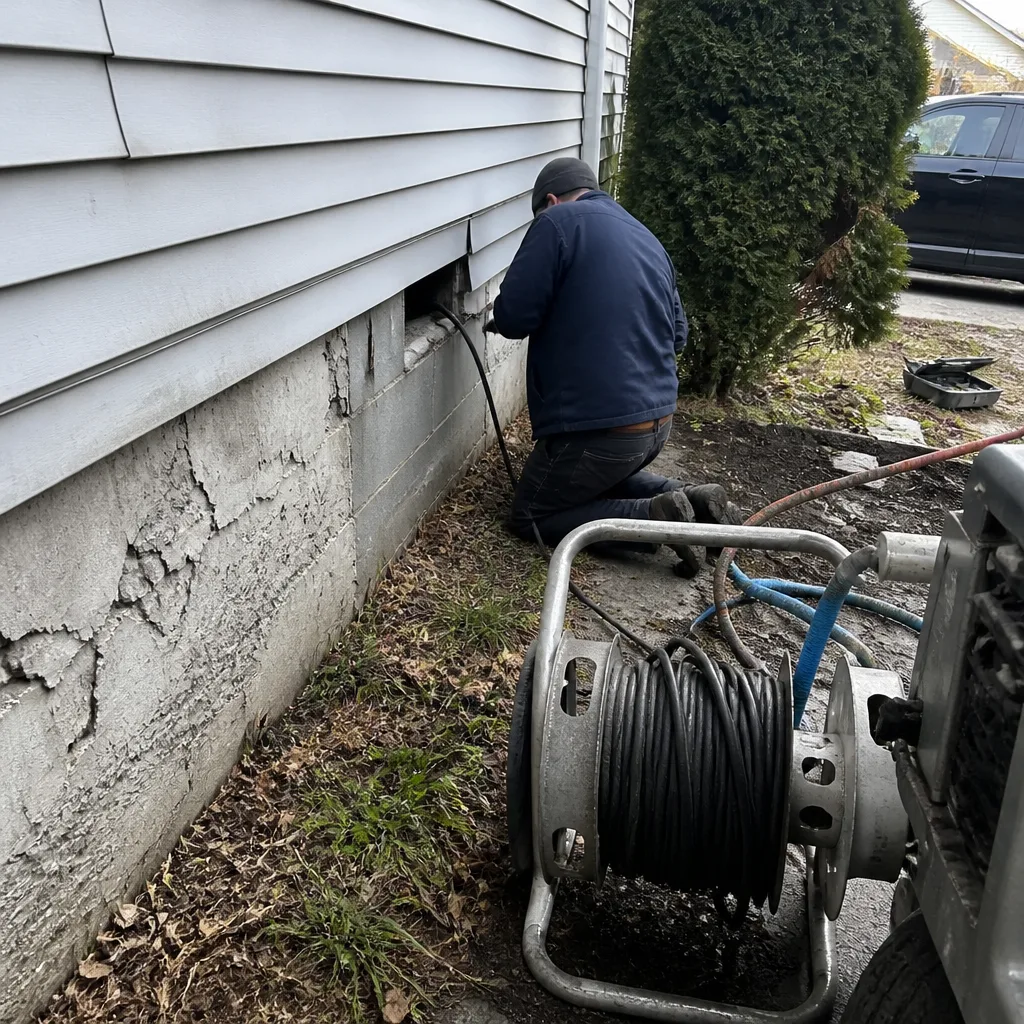 Before
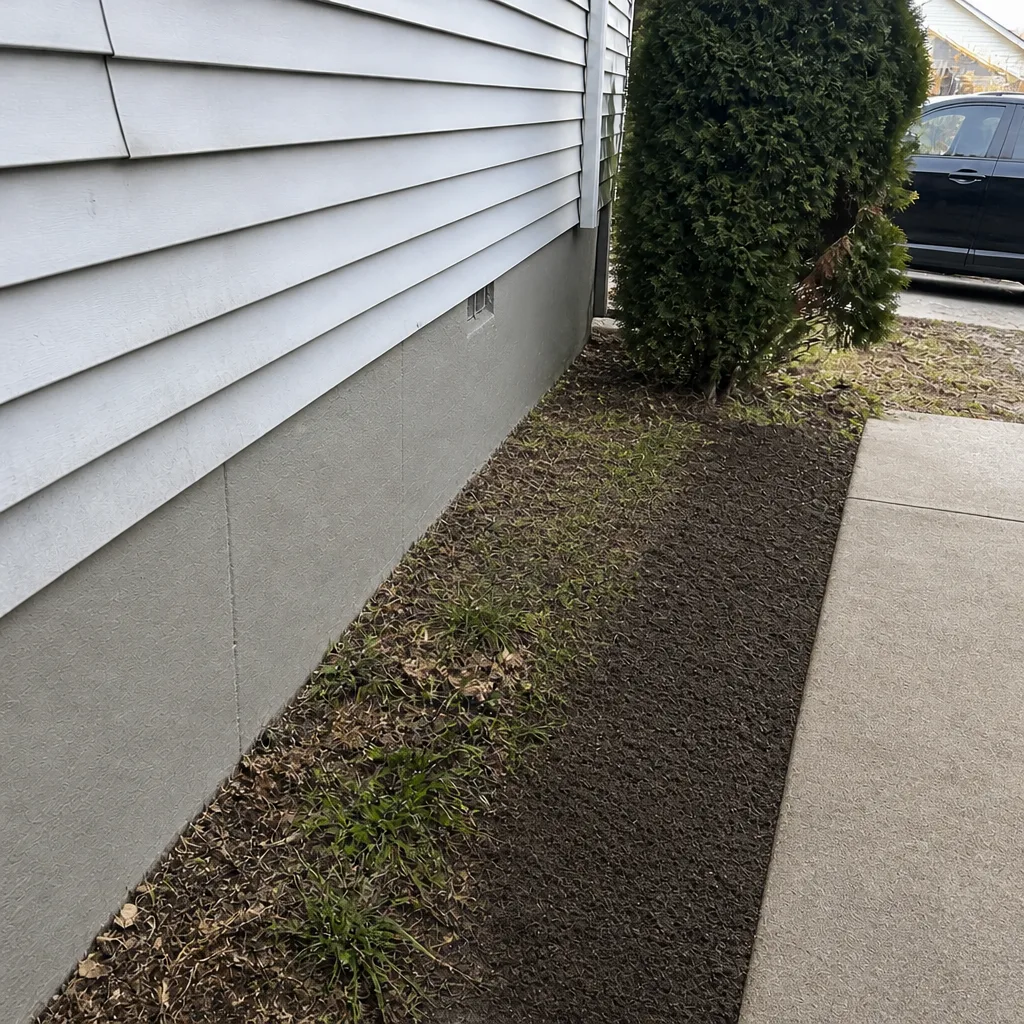 After
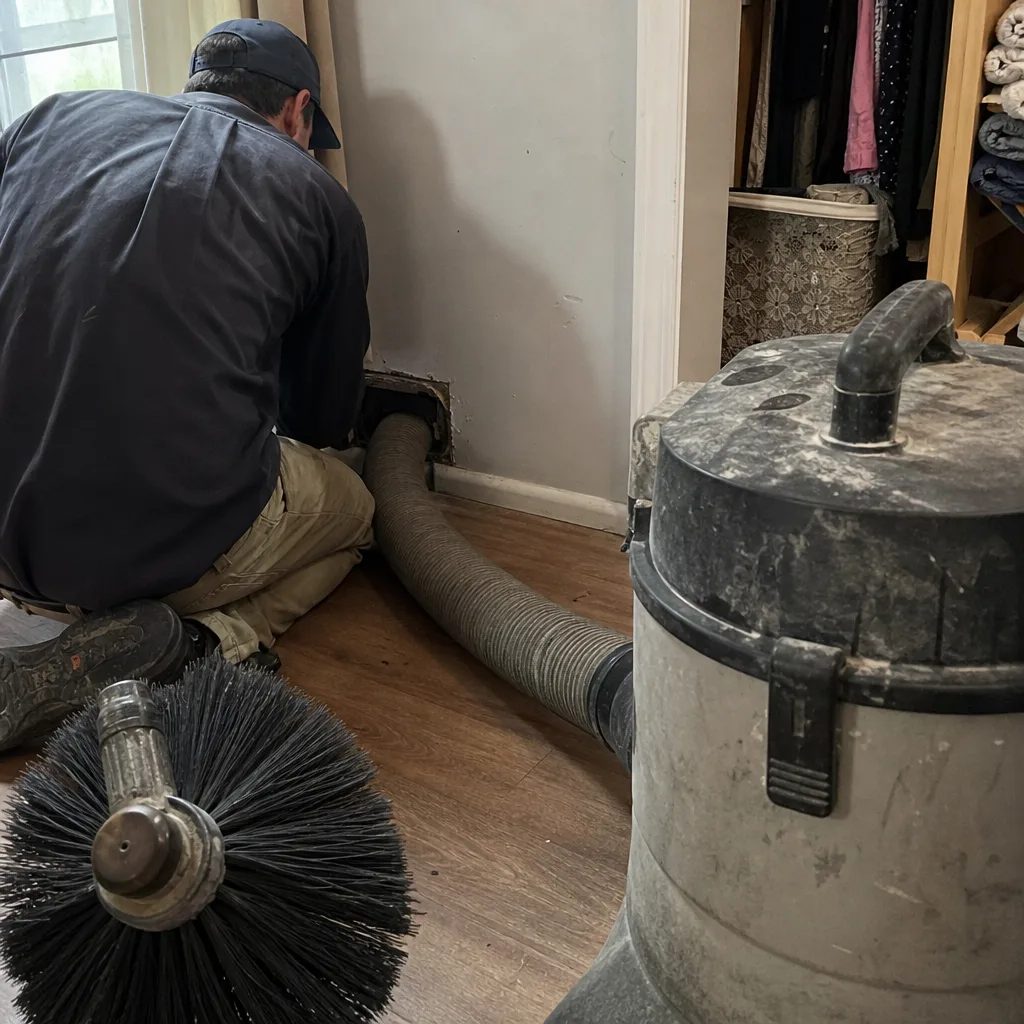 Before
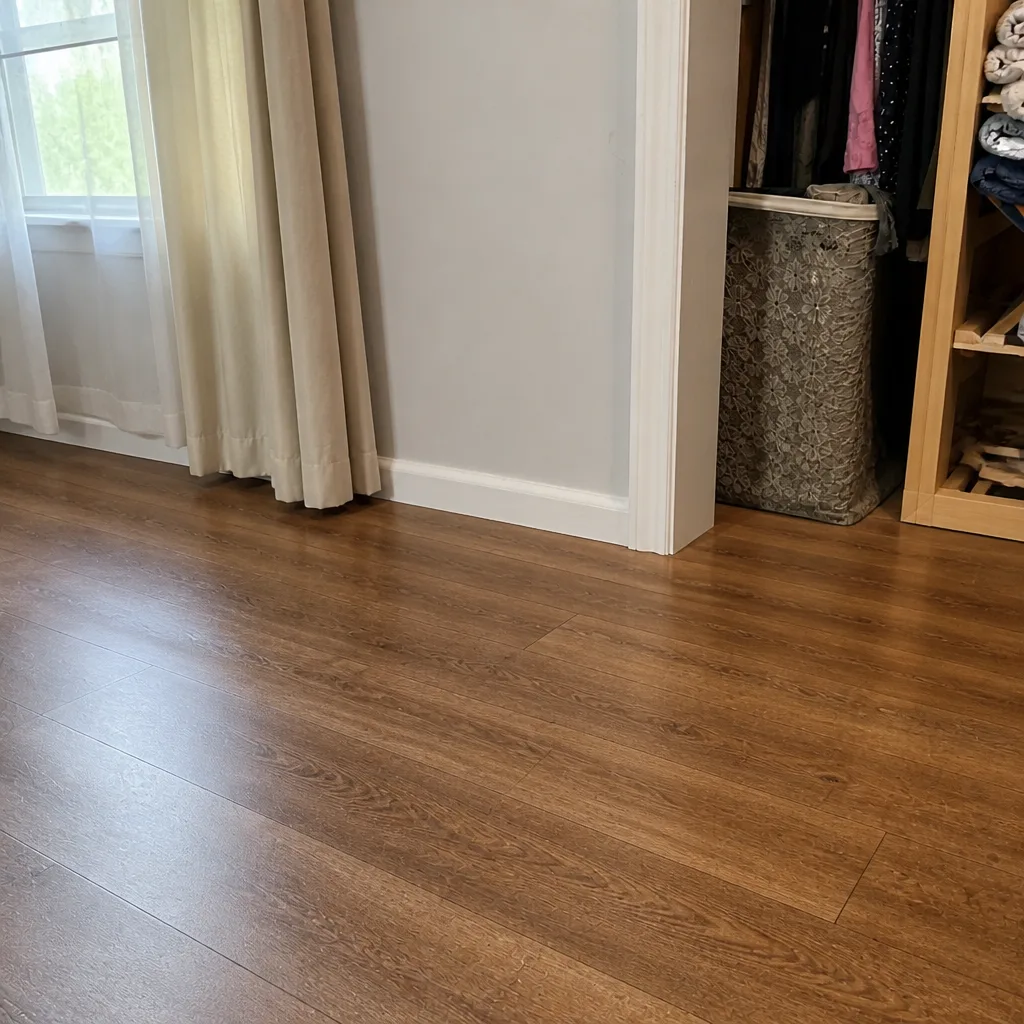 After
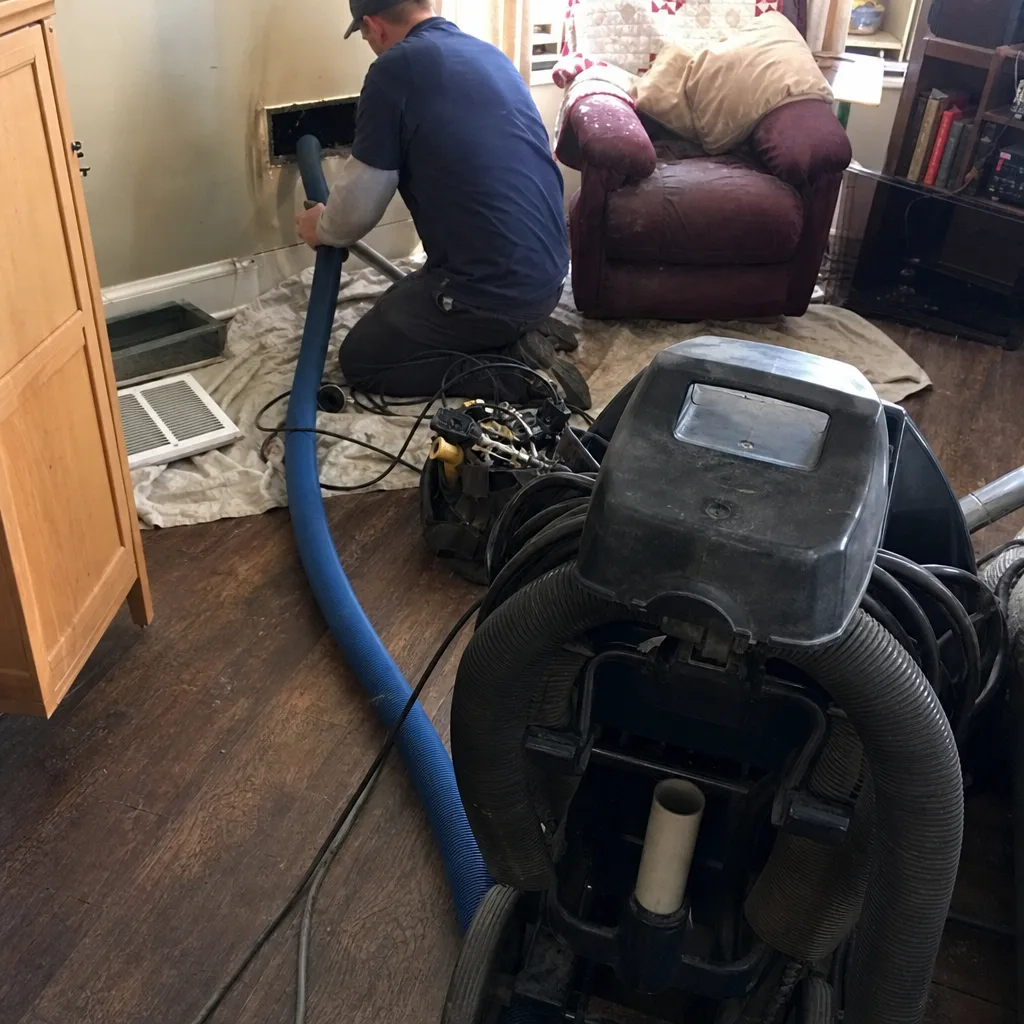 Before
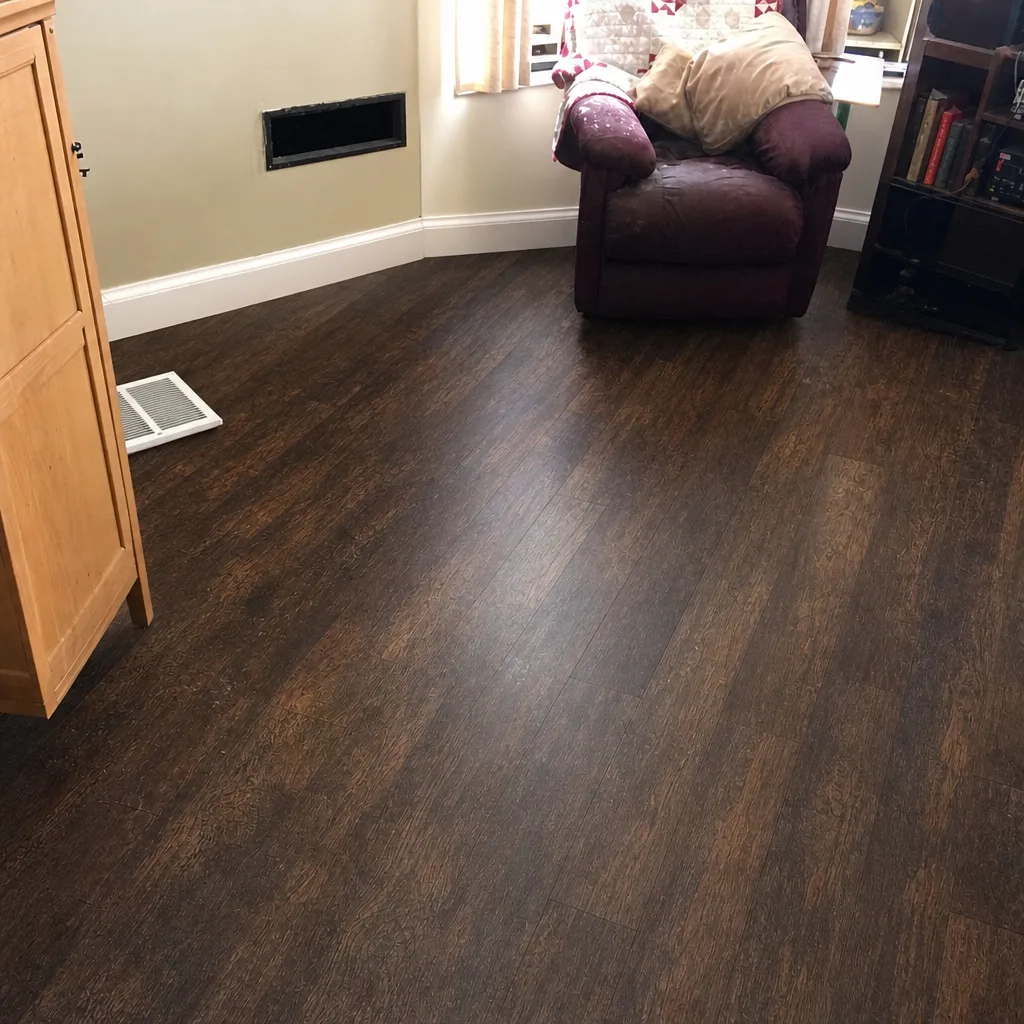 After
When to Call a Professional
If you’re seeing dust visibly blowing from a register, or you’ve pulled a register and found a mat of debris, moisture, or pest evidence, that’s the moment to schedule. If a renovation just wrapped up and drywall dust has been cycling through the house, same answer. If your dryer is taking twice as long to dry a load, the vent needs checking. And if you’re buying a home in Syracuse with unknown maintenance history, a one-time cleaning gives you a reliable starting point. Duct Cleaning Syracuse offers free estimates in Syracuse – call (855) 819-5569. We answer 24/7, and fast dispatch from 7am to 7pm runs Sunday through Friday.
Frequently Asked Questions
Air duct cleaning in Syracuse is usually priced per system, not per vent, and a written estimate sets the final number after a technician sees the layout. Whole-system jobs often land in a range that reflects the size of the home, the number of runs, and whether duct repair is part of the scope. Ask for a single flat price per system agreed before work starts, and treat any per-vent quote as a warning sign. Call (855) 819-5569 for an exact quote – estimates are free.
There’s no fixed interval, and the “every year” advice you’ll see on many sites isn’t supported by the EPA’s guidance. Cleaning is warranted when specific conditions exist – visible debris, mold-like growth, pest activity, water intrusion, or a recent renovation. A home with a clean interior, intact ducts, and a good filter can go years without needing the work. Call (855) 819-5569 if you’d like an assessment of whether it’s time.
Because some quotes aren’t for the same job. A low number often reflects register-only cleaning with a shop-vac and no mechanical agitation, no negative pressure, and no return-side cleaning. A real cleaning involves rotary brush agitation, a HEPA-rated vacuum holding the system under negative pressure, and several hours of work. If one quote is dramatically lower than the rest, ask what equipment is used and whether returns are included. Call (855) 819-5569 for a quote you can compare line by line.
Ask for before-and-after photos taken inside the ducts through the same access points, not just photos of the registers. A proper job also includes airflow readings before and after, and documentation of the return side. If a company won’t show you that, look elsewhere. Call (855) 819-5569 and we’ll walk you through what our documentation includes.
Yes, often. Much of Syracuse’s housing predates 1980, and many homes have had cooling added later as flex duct retrofits. That means mixed materials – sheet metal trunk with flex branches – plus more opportunities for leaks and sagging runs. A technician needs to brush both types with the right equipment and inspect connections in unconditioned spaces. Call (855) 819-5569 to talk through your home’s setup.
Sometimes, but not always. If the cause is a crushed, disconnected, or leaking duct run, cleaning won’t fix it – repair will. Cleaning removes debris; repair restores airflow. A technician who inspects the system can tell you which issue you have. Call (855) 819-5569 for a free estimate that starts with diagnosis.
The Bottom Line
Air duct cleaning in Syracuse makes sense when there’s a documented reason, not on a schedule. The conditions that warrant it are visible debris, mold-like growth, pest activity, water intrusion, or a recent renovation. A thorough job uses negative pressure and mechanical agitation from register to air handler, takes several hours, and covers the return side. Syracuse’s older housing stock – much of it pre-1980 with flex retrofits – makes leaks and mixed materials common, which is why cleaning without an inspection is partly wasted. Get a written estimate, verify equipment, and judge the work on internal before-and-after documentation rather than a receipt.
Ready to know for sure? Call (855) 819-5569 for a free estimate. We answer 24/7, and fast dispatch runs from 7am to 7pm, Sunday through Friday. Duct Cleaning Syracuse offers air duct cleaning, dryer vent cleaning, and air duct repair for homeowners across the Syracuse area.
Written by the team at Duct Cleaning Syracuse.