
Last updated November 15, 2026
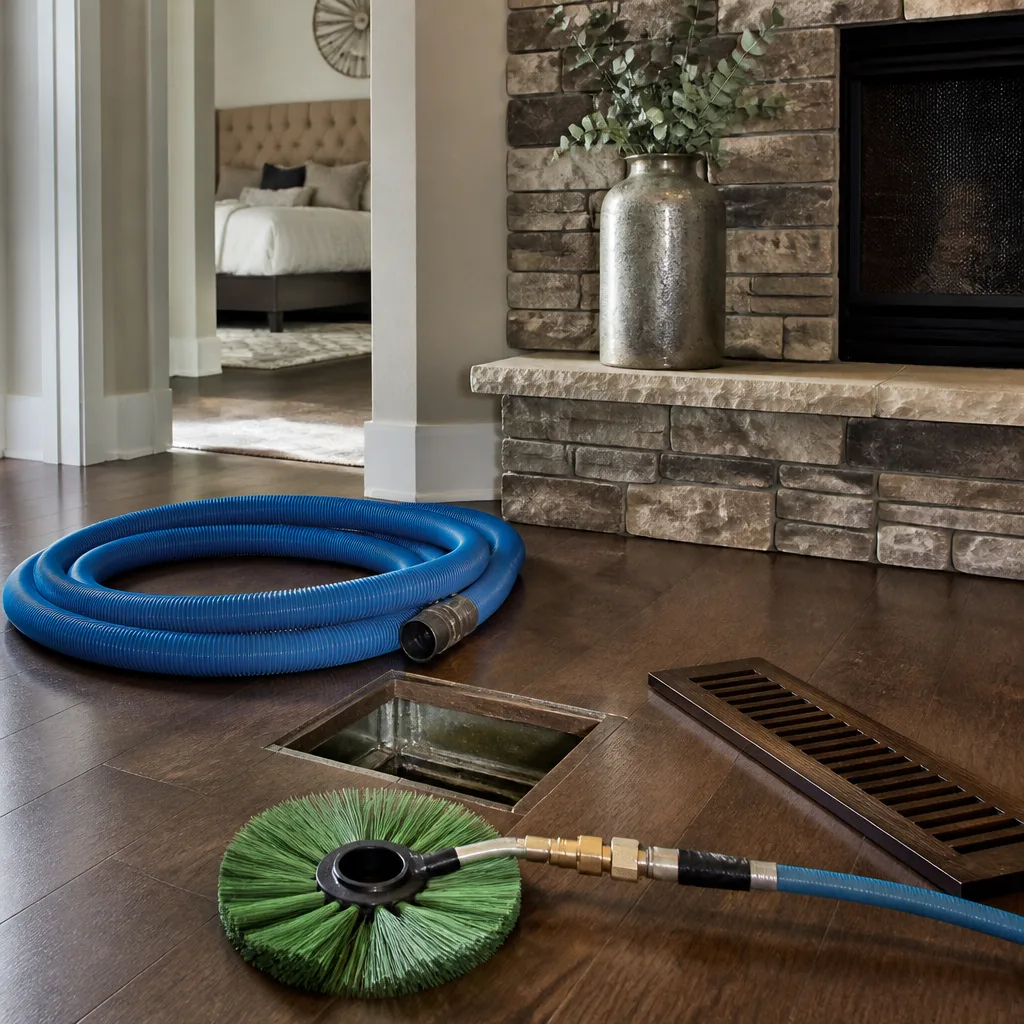 Whole-home duct cleaning
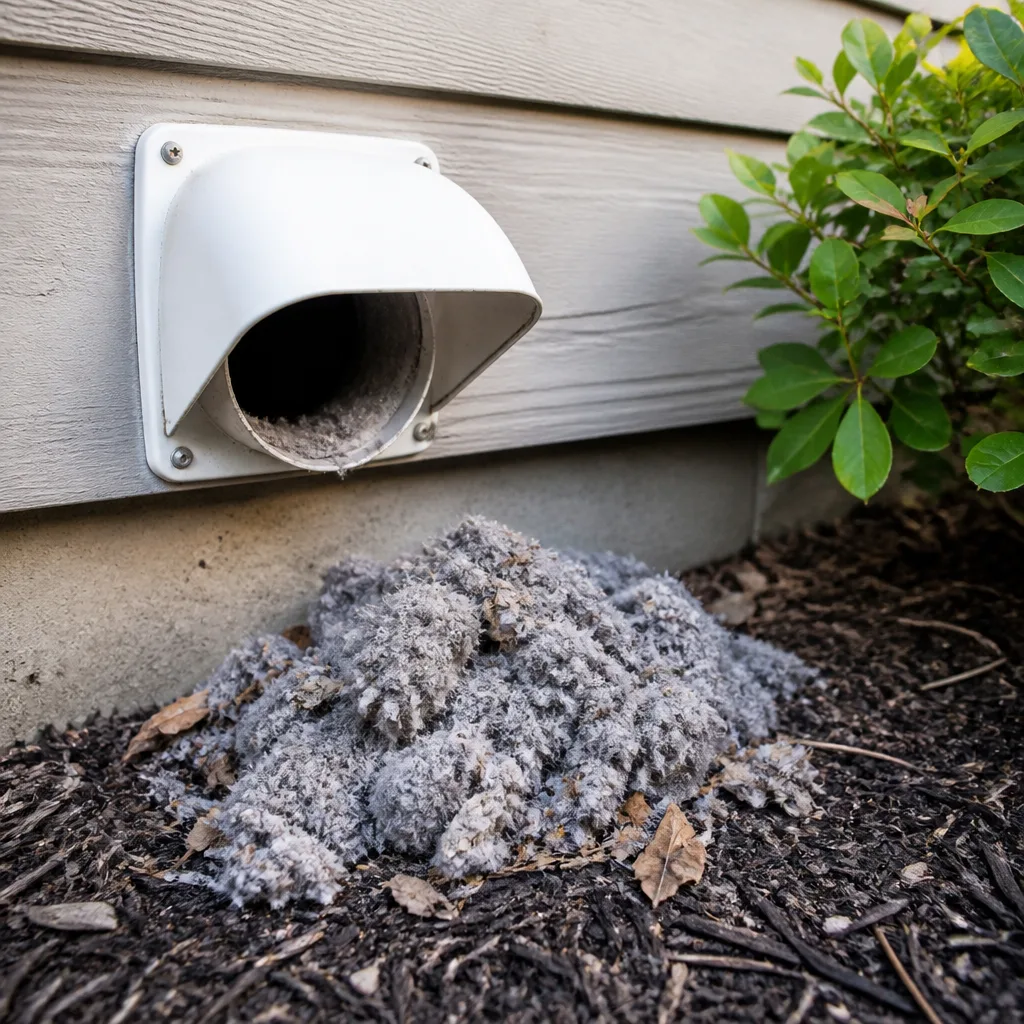 Dryer vent cleaning
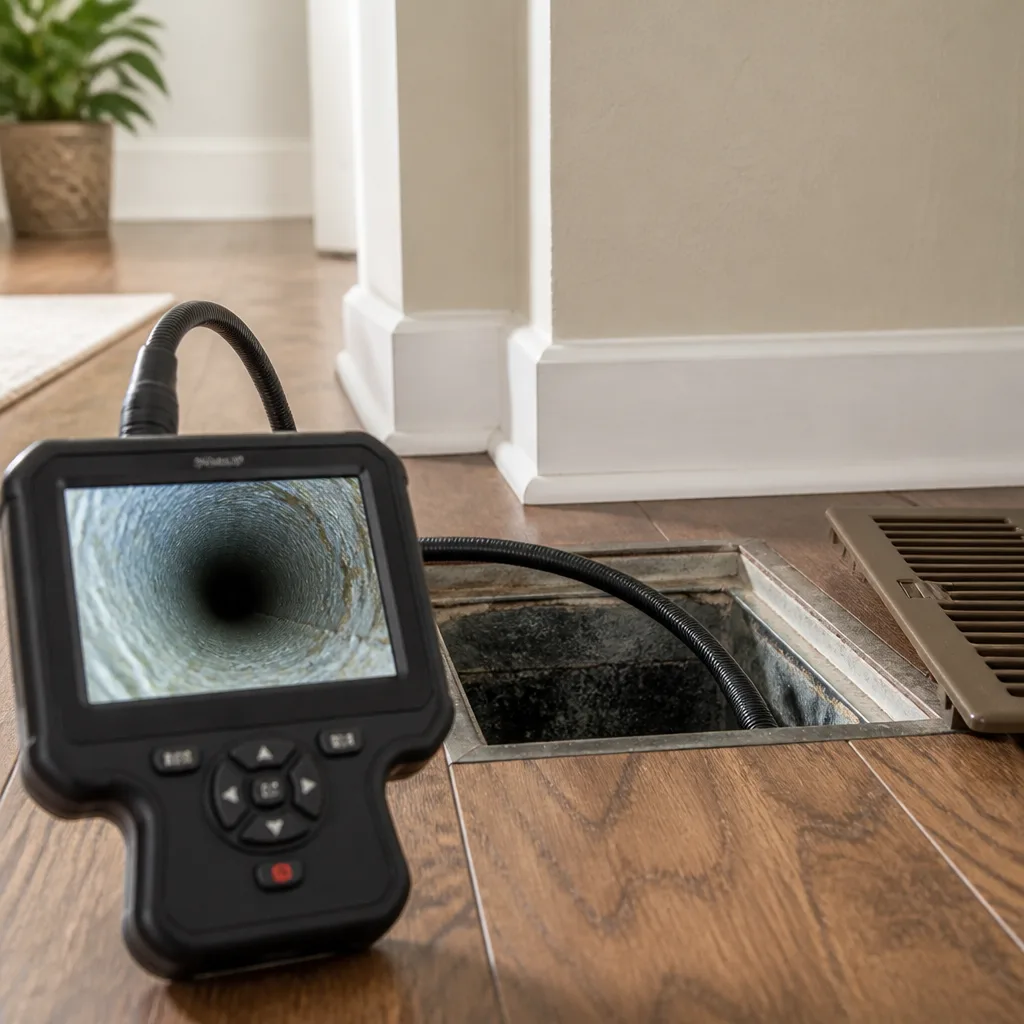 Camera inspection
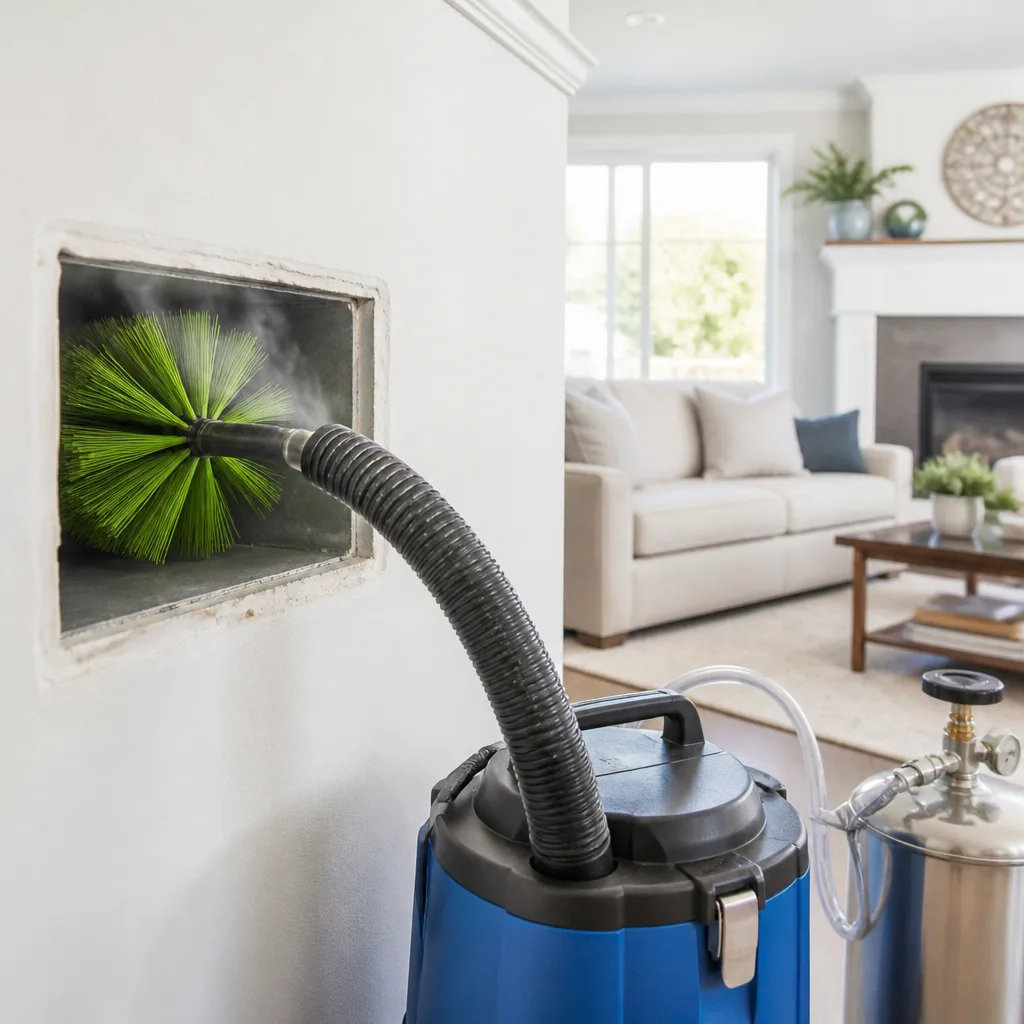 Sanitizing & deodorizing
Whole-system duct and dryer vent check with before-and-after photos - you see exactly what came out of your vents
That "$99 whole-house special" is a bait ad - the real number appears once they are in your hallway, or the "clean" is a shop-vac at the register. We photograph the inside of your ducts before and after instead.
How to Hire an Air Duct Cleaning Contractor in Syracuse: A Step-by-Step Guide
A $99 whole-house duct cleaning offer only works if the crew finishes your job in under 45 minutes. That’s the math behind the coupon. A real cleaning of an average Syracuse home takes three to four hours minimum once you account for every supply, every return, the main trunk, the plenum, and the blower compartment. When a price promises a fraction of the labor, the crew is either skipping most of the system or counting on an upsell once they’re inside your door. This guide hands you the questions, the red flags, and the contract structure that filter out the coupon operations before anyone shows up at your house in Syracuse.
Quick Answer
To hire an air duct cleaning contractor in Syracuse, verify four things before you book: the specific equipment they’ll use (rotary agitation plus HEPA extraction, not a shop vac), a written scope that names the equipment and the areas covered, a pre-job walkthrough of your actual system, and a flat price per system rather than a per-vent figure. Ask about NADCA membership, but treat it as one signal among several rather than a guarantee. If a contractor can’t answer the equipment questions plainly and won’t put the scope in writing, walk away and call the next one.
Styles & brands we work with
- Whole-home duct cleaning
- Dryer vent cleaning
- Camera inspection
- Sanitizing & deodorizing
Table of Contents
- The Four Equipment Questions Every Contractor Should Answer Without Hesitation
- How to Verify NADCA Membership and What It Actually Means
- What a Legitimate Pre-Job Walkthrough Looks Like
- Red Flags Specific to Low-Bid Duct Cleaning in Upstate New York
- How to Structure a Written Agreement That Protects You
- What Air Duct Cleaning Actually Costs in Syracuse
- What a Real Cleaning Visit Involves From Start to Finish
- How Often Do Syracuse Homes Actually Need Duct Cleaning?
The Four Equipment Questions Every Contractor Should Answer Without Hesitation
Equipment separates a cleaning from a dust redistribution. Ask these four questions on the phone and listen for specifics. A contractor who has done this work for years will answer in plain language without warming up to a sales pitch. Our technicians have up to 14 years of experience, and we can tell you exactly how every piece of gear in our kit works and why it’s there.
- What kind of vacuum are you running? The answer should describe either a truck-mounted unit with a long hose run to the door, or a portable unit with HEPA-rated filtration. Either is legitimate. A “shop vac with an extension cord” is not. The point of the vacuum is negative pressure strong enough to pull dislodged debris out of the system, not to sweep the floor of the register box.
- What’s the CFM rating? CFM means cubic feet per minute, and it’s the measure of how much air the vacuum moves. Ask for a number. A contractor who can’t quote it doesn’t know their own equipment. A contractor who quotes a number that seems implausible (thousands of CFM from a unit plugged into a standard wall outlet) is ballparking. Professional-grade portables and truck-mounted units have published ratings the contractor can look up.
- What’s your agitation method? Vacuum alone can’t dislodge decades of adhered dust, pet hair, construction debris, and lint from the inside walls of a duct. You need mechanical agitation to break the layer loose so the vacuum can pull it out. We use Rotobrush rotary brush systems for exactly this reason: the rotating brush reaches duct surfaces a straight vacuum hose can’t contact. Listen for words like “rotary brush,” “whip,” “compressed air,” or “mechanical agitation.” A contractor who says “the vacuum does all the work” is describing half a job.
- What’s your containment setup? The point of containment is to make sure dislodged material goes out of the system and not into your living room. Ask about negative pressure, HEPA filtration at the extractor, and any drop cloths or sealing plastic used at the registers. For jobs with elevated dust or air quality concerns, the answer should mention equipment built for containment work. We carry Abatement Technologies gear in the toolkit for that reason.
Tap into our air duct cleaning page for the specifics of what we run on a Syracuse job. If the contractor you’re vetting can’t answer these four questions without a script, they’re not pricing your job; they’re selling a coupon.
How to Verify NADCA Membership and What It Actually Means
NADCA is the National Air Duct Cleaners Association. It publishes the industry’s ACR standard (Assessment, Cleaning, and Restoration of HVAC Systems), which lays out what a proper cleaning should accomplish. Membership is worth checking, but understand what it does and doesn’t guarantee before you use it as your only filter.
Here’s how to verify membership. Go to NADCA’s website and search the contractor by name or by ZIP code. The directory is public. If the contractor’s name doesn’t appear, ask them to explain. Some companies claim to “follow NADCA standards” without being members, which is a different thing, and worth pressing on.
What NADCA membership signals: a commitment to the industry standard, access to training, and adherence to a code of ethics. Some members hold the Air Systems Cleaning Specialist (ASCS) credential, and some hold the Ventilation Maintenance Technician (VMT) credential. Both require exams and continuing education.
What NADCA membership does not guarantee:
- It does not mean the contractor is licensed by New York State, because there is no state duct cleaning license to hold.
- It does not mean every technician who shows up is trained. Membership is company-level, not person-level.
- It does not stop a contractor from upselling a mold treatment you don’t need.
- It does not tell you what equipment they’ll actually bring.
- It does not guarantee the written scope will be detailed.
Treat membership as one signal among several. The equipment answers and the written scope carry more weight. A member who can’t tell you their CFM and agitation method is still a risk. A non-member who answers every question and hands you a detailed contract deserves a second look.
What a Legitimate Pre-Job Walkthrough Looks Like
A contractor who quotes a duct cleaning over the phone without seeing your system is quoting a guess. Every home in Syracuse is different: some have finished basements with runs you can’t reach from the main floor, some have boiler-fed systems with different duct configurations, some have flexible duct in the attic that requires a different approach than rigid sheet metal in the basement. The pre-job walkthrough is how a real contractor prices your actual job.
Here’s what a proper walkthrough covers:
- Count every supply and every return. The contractor should physically walk the house and tally the registers, not ask you to guess. A different number changes the labor.
- Trace the main trunk and plenum. This is the largest duct in the system and often the dirtiest. The contractor should identify where the trunk runs and where the plenum sits at the air handler.
- Check the blower compartment. Many contractors clean the ducts and skip the blower. Ask directly whether the blower and evaporator coil area is part of the job. A real cleaning includes the surfaces that touch the air.
- Look for accessible duct failures. Disconnected joints, crushed sections of flex duct, torn liner inside the trunk, and gaps at register boots are common in older Syracuse homes. A contractor who can repair those issues identifies them at the walkthrough. A contractor who only cleans has to pretend not to see them.
- Ask about access. Some systems require cutting access holes in the trunk to reach the interior properly. Ask whether the contractor will cut, and whether they will reseal the holes. A contractor who never mentions access is skipping the main trunk.
- Write the scope on the spot. When the walkthrough is done, you should have a written scope describing what will be cleaned, what equipment will be used, and what the price covers. Not a verbal promise. Not a post-visit email. A written scope before work starts.
Our filter is simple: we don’t quote a job until we’ve walked the system. That’s less convenient than a phone estimate, and we know it. It’s also the only way to be sure you’re not getting a coupon price that becomes a surprise invoice after the truck arrives.
Red Flags Specific to Low-Bid Duct Cleaning in Upstate New York
New York doesn’t license duct cleaning, which means the barrier to entry is low. Coupon operations have refined their playbook over the years. Learn to spot it and you save yourself the visit.
- Bundled unlicensed HVAC work. A duct cleaning company is not a licensed HVAC contractor, and in New York HVAC work requires licensing that duct cleaning does not. If a duct cleaner offers to “tune up the system,” “recharge the refrigerant,” or “fix your AC while we’re here,” that’s unlicensed work being sold under a duct cleaning license that doesn’t exist.
- Mold treatment upsell on the first visit. A legitimate duct cleaner can clean but does not perform mold remediation. If the crew discovers suspected mold mid-job and offers to treat it for an additional fee the same day, you’re being sold a service outside their scope. The correct path is a referral to a licensed mold remediation contractor after testing.
- Refusal to provide a written scope. If you ask for the scope in writing and the contractor deflects, hedges, or says “we’ll go over it when we get there,” there is no scope. There’s a price and an upsell.
- Per-vent pricing. Whole-system duct cleaning is priced per job because the work is the system, not the individual register. A contractor quoting per vent is either going to nickel-and-dime the count or has built in a low per-vent price that grows when they “find” more vents.
- Pressure to book the same day. “This price is only good if you book right now” is a sales tactic, not a scheduling reality. A legitimate contractor has enough work that they don’t need to pressure you into a decision inside fifteen minutes.
- No mention of dryer vent. If they clean ducts but don’t mention the dryer vent, they’re not covering a genuine fire risk. The two are usually done together in a Syracuse home because both are duct systems.
- “Certified” without specifics. Certified by whom, in what, and when? If the answer is vague, the certification is a sticker on a truck.
Contrast that with the dryer vent cleaning we quote alongside most duct jobs: the vent is short, the labor is real, and any contractor who can’t describe what comes out of it in detail hasn’t done the work. Ask them. The answer tells you plenty.
How to Structure a Written Agreement That Protects You
The written agreement is where a legitimate contractor and a coupon crew part ways. It’s also where you protect yourself if something goes wrong mid-job. Every agreement should specify:
- The equipment to be used, by type. Not “professional equipment,” but the actual categories: rotary brush agitation, HEPA-rated extraction, truck-mount or portable vacuum. If the contractor uses brand names (Rotobrush, Nikro, Abatement Technologies, Honeywell, Aprilaire), even better. Brands identify the tier of gear they’re running.
- The areas of the system cleaned. Every supply run, every return, the main trunk, the plenum, the blower compartment. If any part of the system is excluded (for example, inaccessible flex duct in a wall chasé), the agreement should say so.
- The price, as a flat figure. One price per system, agreed before work starts. Not per vent, not per hour, not a starting price plus a “discovered condition” surcharge. If a mid-job discovery changes the scope, the contractor stops and discusses it with you before continuing.
- What happens if duct damage is discovered. Many homes have compromised joints, crushed sections, or disconnected runs that weren’t visible at the walkthrough. The agreement should name a process for documenting the damage and offering a repair quote, not for silently cleaning around it. This is the point where having duct repair in the same scope matters: we clean it, and if it’s broken, we fix it. A duct cleaning company that doesn’t repair has to either ignore the damage or refer you to someone else.
- What happens if suspected mold is discovered. The correct answer is: work stops in that section, you’re informed, and you get a referral to a licensed mold remediation contractor. A duct cleaner should never offer to treat mold themselves, no matter what they find.
- Before-and-after documentation. Ask how you’ll see the work was actually done. Before-and-after photos of your own ducts, not stock photos, are the baseline. Any contractor who can’t produce them is asking you to trust a process you can’t inspect.
- What happens if damage occurs during cleaning. Duct cleaning can disturb a joint that was already failing, or dislodge debris that had been sitting in a low spot. The agreement should spell out how the contractor handles that, whether through repair or referral.
The right agreement is short, specific, and signed before anyone starts work. If it reads like a marketing brochure, it’s not an agreement.
What Air Duct Cleaning Actually Costs in Syracuse
Whole-system air duct cleaning in Syracuse typically lands between $350 and $700 for a standard single-family home, with most jobs settling in the $450 to $550 range. Larger homes with multiple zones, finished basements, or extensive flex duct run higher. Roughly, here’s how the line items break down:
- Standard single-family home, one HVAC system: $350 to $550
- Larger home or two systems: $550 to $900
- Dryer vent cleaning added to the same visit: $125 to $200
- Duct repair, when damage is found: quoted separately after the walkthrough and documented for your approval
These are typical estimates. The written estimate after the walkthrough sets the final price. We don’t quote per vent, and we don’t use coupon teaser figures. The reason is simple: a homeowner who hears “$99” and then receives a $900 invoice has been baited. A homeowner who hears $475 up front and pays $475 knows exactly what they bought. If a Syracuse contractor quotes a number far below the range above, ask what’s being left out of the job, because something is.
For the full pricing breakdown by system size and job type, our Duct Cleaning Syracuse page lays out the ranges in more detail. The one-line summary: if the price seems to require the crew to finish in under 45 minutes, it does, and that’s not a cleaning.
What a Real Cleaning Visit Involves From Start to Finish
Knowing what the visit should look like lets you spot a shortcut in progress. A real cleaning runs three to four hours on an average Syracuse home. Here’s the sequence:
- Setup and protection. Drop cloths at the entry, corner guards where possible, plastic sealing at registers not yet under vacuum. The living space is protected before any equipment comes in.
- Negative pressure established. The extraction unit connects to the main trunk or plenum, and the system is put under negative pressure before any agitation begins. This is what keeps the dust going out rather than into the room.
- Rotary agitation at every register. A rotating brush runs each supply and return run to break adhered debris from the duct walls. The vacuum pulls the loosened material out through the trunk connection.
- Main trunk and plenum work. Access holes may be cut into the trunk to reach the interior. The plenum at the air handler gets the same treatment. Access holes are resealed before the crew leaves.
- Blower compartment cleaning. The blower wheel and the surfaces around it are cleaned. Skipping the blower defeats much of the point: it’s the component that moves the air.
- HEPA extraction at the source. Fine particulates that bypassed the primary vacuum are captured by HEPA-rated equipment. This is where a Nikro or Abatement Technologies setup earns its keep: containment is only as good as the filter rating.
- System check and documentation. Before-and-after photos of the ducts, the blower, and the trunk. The customer walks through what was found. Any damaged duct sections are documented with a repair quote.
- Whole-home air quality integration, where relevant. If the home has a Honeywell or Aprilaire whole-home air quality system, the duct work intersects with it. Cleaning around an air quality system without considering it leaves the two systems out of sync.
Ask the contractor during the walkthrough to describe this sequence. If their description has three steps instead of eight, they’re describing a different job.
How Often Do Syracuse Homes Actually Need Duct Cleaning?
There’s no universal answer, and any contractor who tells you “every year, guaranteed” is selling a maintenance contract, not advice. Here’s how to decide based on the home and the household:
- Every three to five years for a typical single-family home with no unusual factors. This is the baseline most legitimate contractors and consumer protection sources reference.
- Sooner if the home has pets, has had recent renovation (drywall dust and construction debris settle in ducts), has a smoker, or has anyone in the household with respiratory sensitivities.
- Sooner if you’ve just moved into a Syracuse home and don’t know the previous owner’s maintenance history. A one-time baseline cleaning tells you what’s actually inside the system.
- Not on a fixed schedule if the system is newer, the household is low-dust, and the previous cleaning was documented. In that case, three to five years may stretch.
Climate matters in Syracuse. The heating season is long and the system runs hard, which means more air cycles through the ducts than in a milder climate. That doesn’t change the three-to-five-year baseline, but it does mean the debris accumulates faster during heavy-use months. Ask the contractor about the specific conditions of your home during the walkthrough, and let them answer in their own words. If they can’t, keep looking.
Our Syracuse guide covers neighborhood-level context for scheduling, and the dryer vent has a separate timing question: every one to two years is the usual guidance, because lint accumulation is a fire risk, not an air quality issue.
Common Mistakes to Avoid
- Booking off a phone quote alone. A phone estimate isn’t a price; it’s a guess. Insist on a walkthrough before you commit, even if it means waiting a day or two. The walkthrough is how the contractor sees the actual system.
- Accepting a per-vent price. Per-vent pricing invites a low figure that grows once the crew counts vents you didn’t know about. Ask for a flat per-system price and hold the contractor to it.
- Skipping the blower. A cleaning that leaves the blower compartment untouched misses the component moving every cubic foot of air in the house. Ask specifically whether the blower is included.
- Not asking about access holes. If the contractor doesn’t cut access into the main trunk, they can’t clean the interior of it. Ask whether access holes will be cut and resealed, and expect a yes.
- Trusting “certified” without asking by whom. Ask which body certified them, in what, and when. Vague answers suggest vague credentials.
- Letting a duct cleaner sell mold treatment. Mold remediation is a separate trade with separate licensing requirements. A duct cleaner who offers to treat mold on the spot is operating outside their scope.
- Overlooking the dryer vent. The ducts and the dryer vent are separate systems, but the same visit often handles both. If a contractor doesn’t mention dryer vent cleaning, ask why.
See the difference
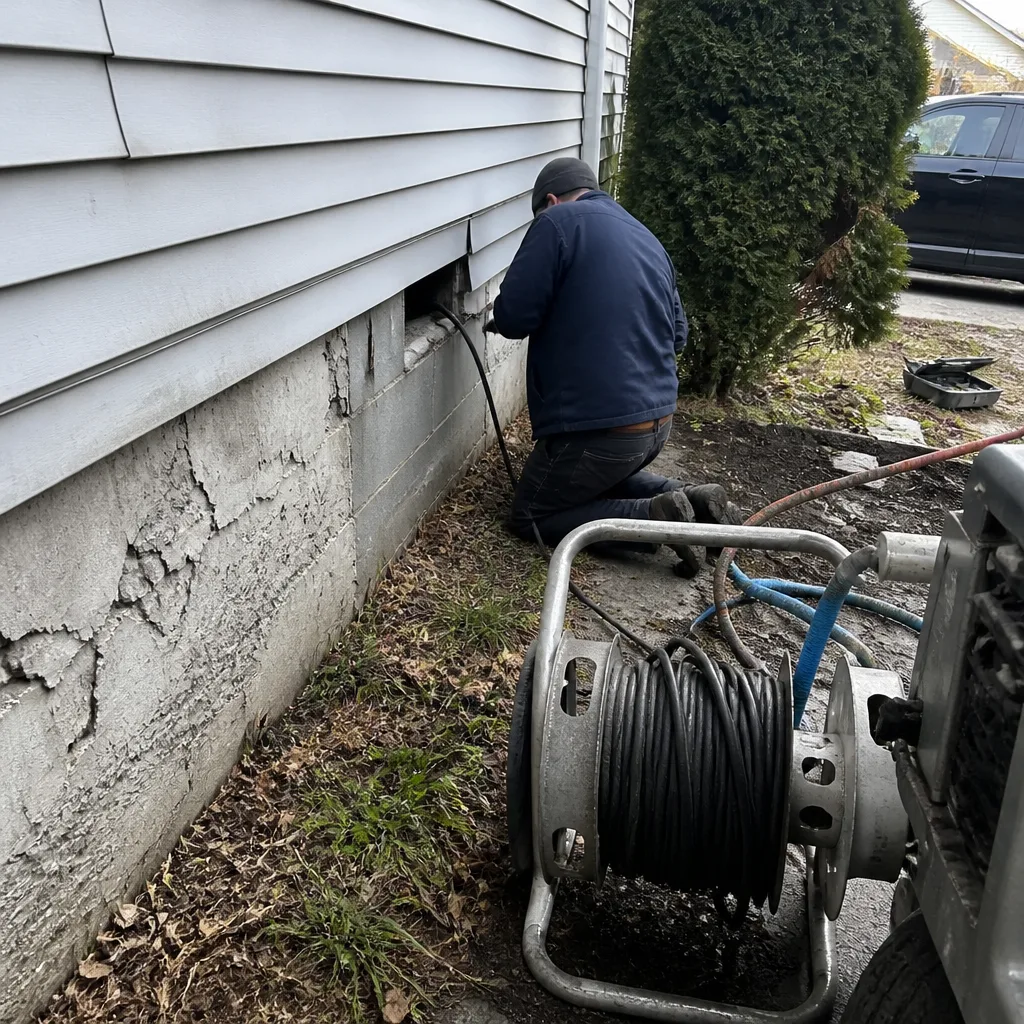 Before
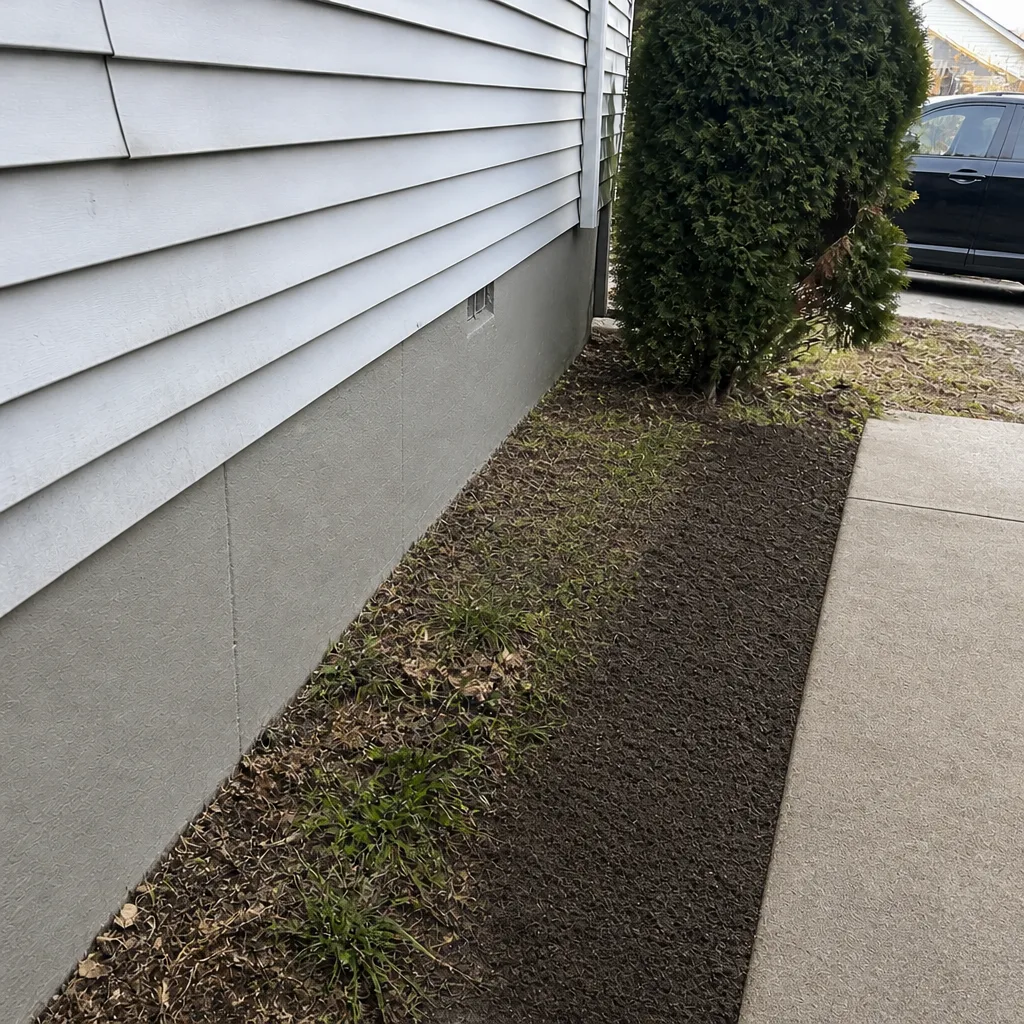 After
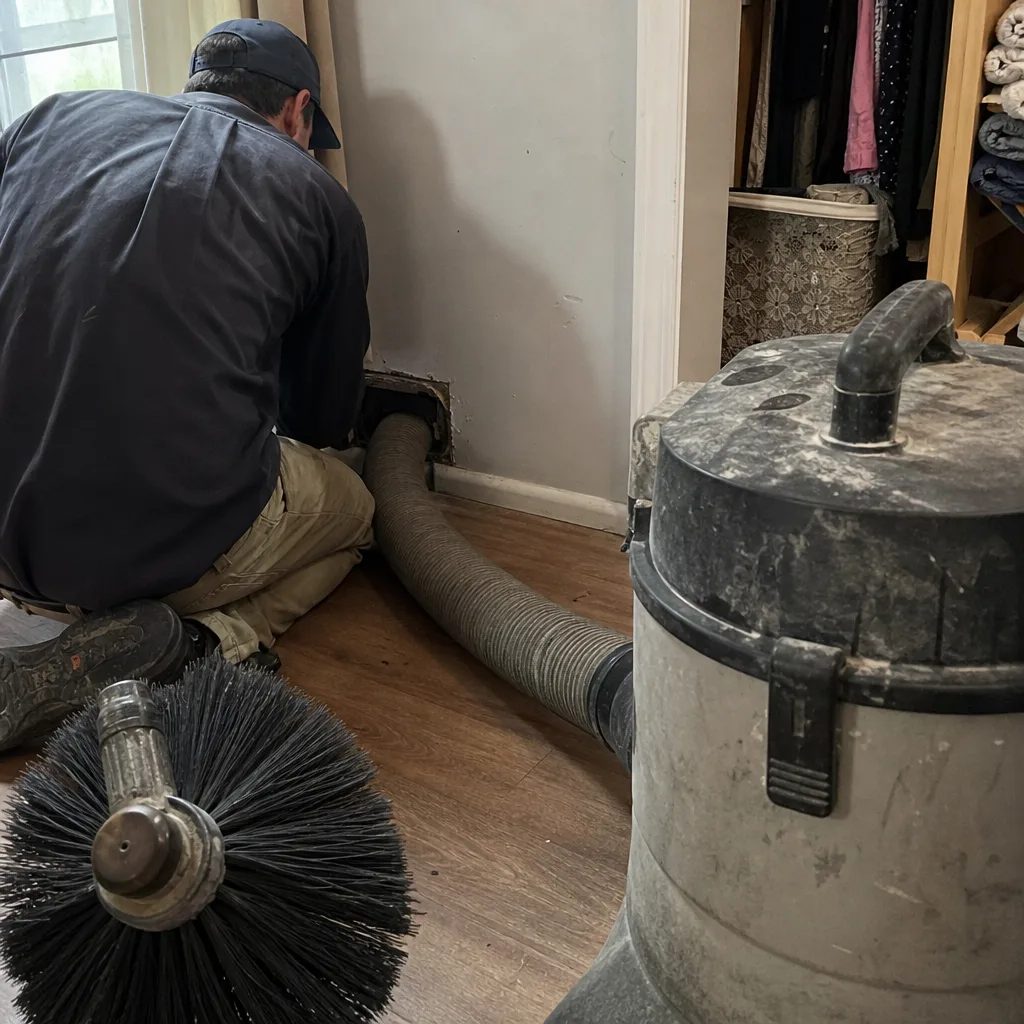 Before
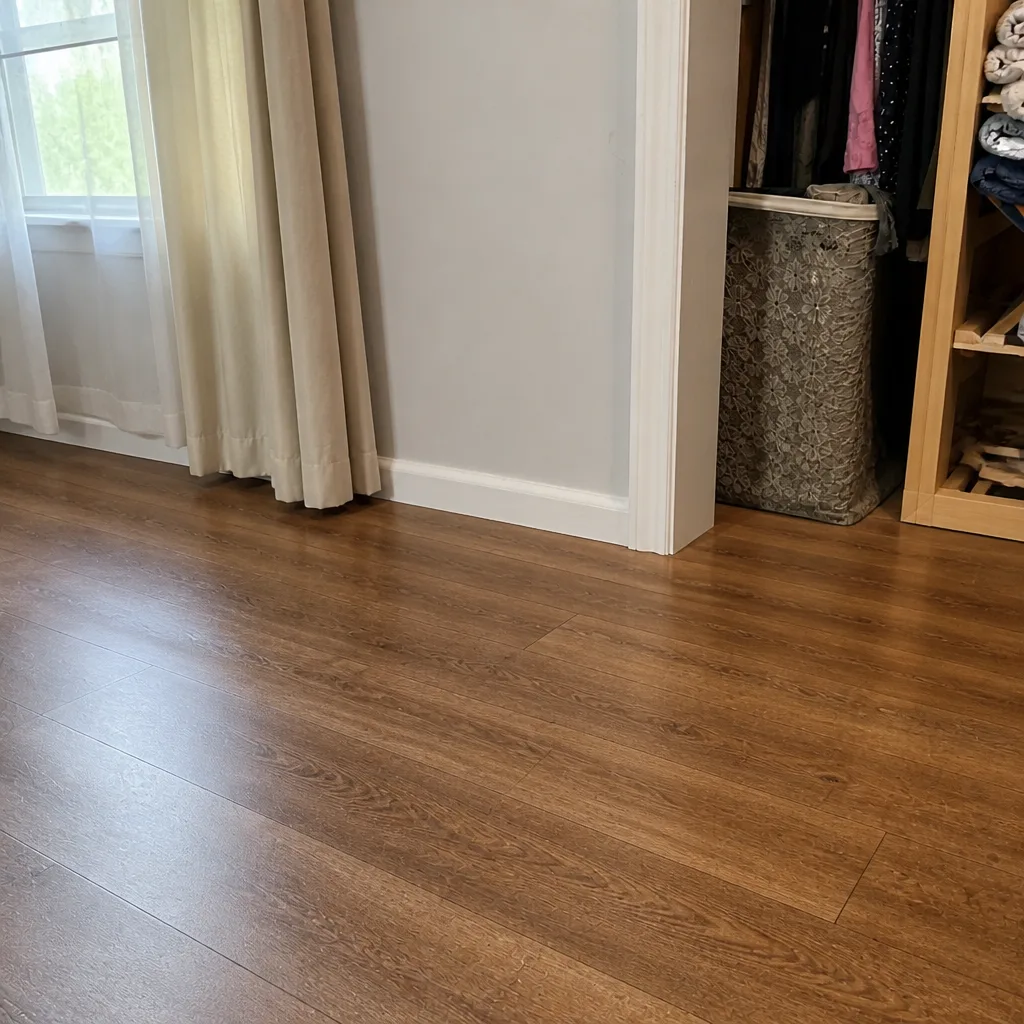 After
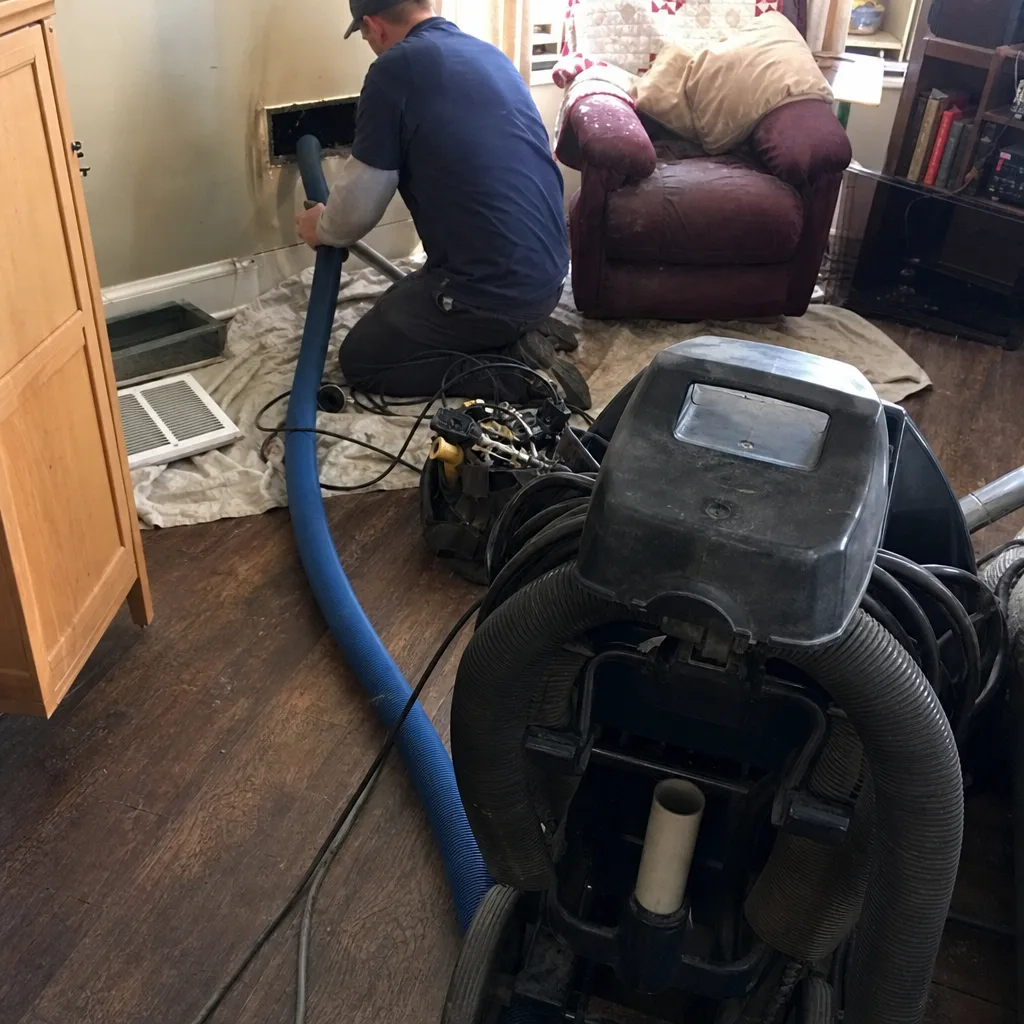 Before
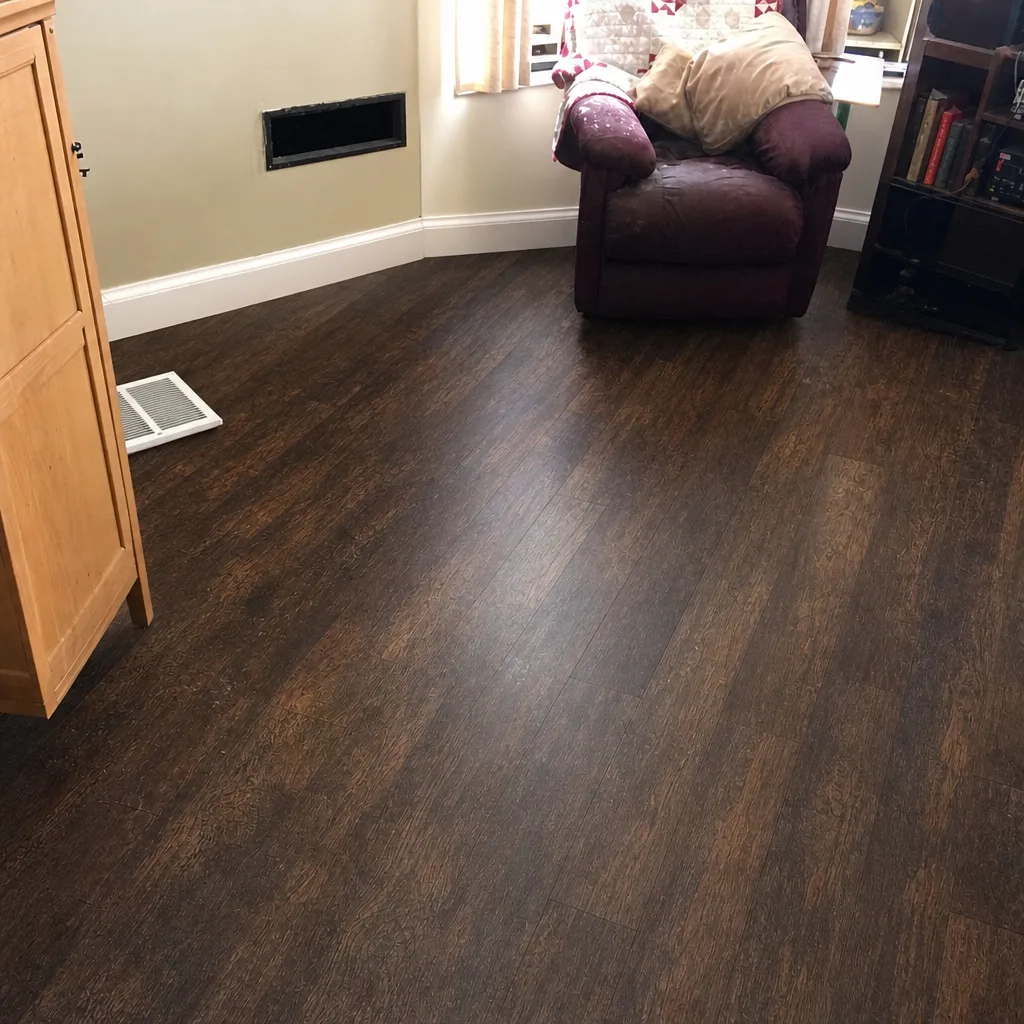 After
When to Call a Professional
If you can see visible dust blowing from a register when the system kicks on, that’s a signal worth acting on. If you’ve just moved into a Syracuse home and don’t know when the ducts were last cleaned, a one-time baseline is worth the call. Recent renovation, a new pet, persistent dust on surfaces that reappears quickly, or a dryer that takes two cycles to finish a load all point to the same phone call. Duct Cleaning Syracuse offers free estimates in Syracuse. Call (855) 819-5569. We answer 24/7. Fast dispatch from 7am to 7pm, Sunday through Friday.
The walkthrough comes first, then the written scope, then the work. That sequence is what separates a real duct cleaning from a coupon operation, and it’s the reason we don’t quote over the phone.
Frequently Asked Questions
Whole-system air duct cleaning in Syracuse typically costs $350 to $700, with most jobs between $450 and $550. Larger homes with multiple systems or extensive flex duct run $550 to $900. The written estimate after the walkthrough sets the final price, and we don’t quote per vent. Call (855) 819-5569 for an exact quote. Estimates are free.
Because the work is different. A $99 offer requires the crew to finish in under 45 minutes, which means skipping the main trunk, skipping the blower, and often skipping most of the returns. The low price is the entry point to an upsell once the crew is inside. Ask any contractor how long the cleaning will take and what’s included; the honest answers align with a three-to-four-hour visit. Call (855) 819-5569 for a written scope and a flat price before work starts.
No, but it’s one useful signal. NADCA membership indicates the contractor follows the ACR industry standard and has access to training, but it’s a company-level credential and doesn’t guarantee that every technician on the job is trained. Pair NADCA verification with the equipment questions and a written scope before you decide. Call (855) 819-5569 to talk through what our equipment and scope actually include.
Before-and-after photos of your own ducts, blower, and trunk, taken during the job. Not stock photos. Any contractor who can’t produce them is asking you to trust a process you can’t verify. Ask for the photos during the walkthrough and confirm they’ll be part of the job record. Call (855) 819-5569 to schedule an estimate that includes documented before-and-after photos.
Every three to five years for a typical home with no unusual factors. Move it sooner if you have pets, recent renovation, a smoker in the house, or anyone with respiratory sensitivities. The long Syracuse heating season runs the system hard, which speeds accumulation during heavy-use months, but doesn’t change the baseline. Call (855) 819-5569 to schedule an assessment if you’re unsure when the ducts were last cleaned.
Only if duct repair is part of their service. Many duct cleaners clean around damage because repair is out of their scope. Ask during the walkthrough whether repair is offered, and how the contract handles duct failures discovered mid-job. Our answer is simple: we clean it, and if it’s broken, we fix it. Call (855) 819-5569 to arrange a walkthrough that includes a duct condition check.
The Bottom Line
New York doesn’t license duct cleaning, so the hiring decision rides entirely on the questions you ask. Four equipment answers (vacuum type, CFM, agitation, containment), one written scope naming the equipment and areas cleaned, a pre-job walkthrough that prices your actual system, and a flat per-system price before work starts. NADCA membership is a useful signal, not a guarantee. If a quote requires the crew to finish in under 45 minutes, that’s the job you’re buying. If the contractor walks the system, answers the equipment questions without a script, and hands you a written scope before anyone starts, you’ve found a real one. Call (855) 819-5569. We answer 24/7. Fast dispatch from 7am to 7pm, Sunday through Friday.
Written by the team at Duct Cleaning Syracuse.