
Last updated November 15, 2026
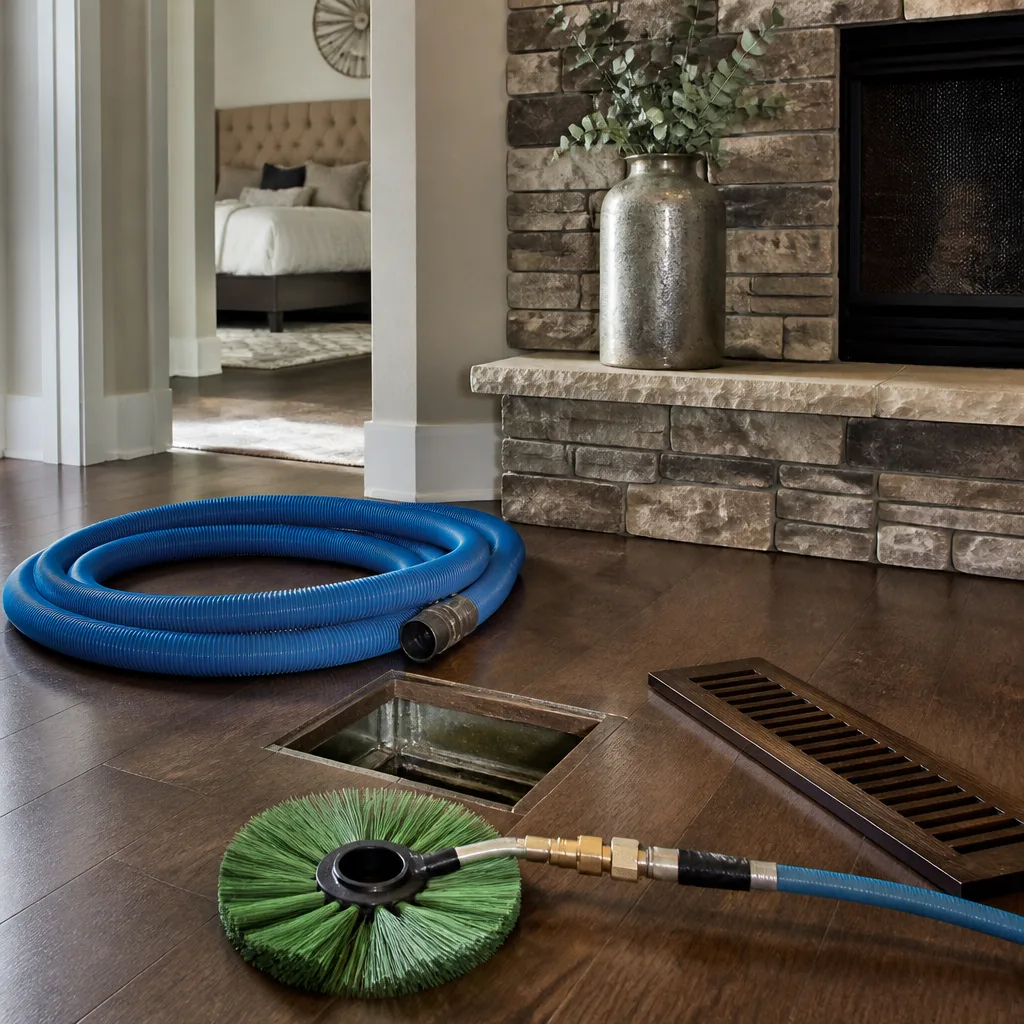 Whole-home duct cleaning
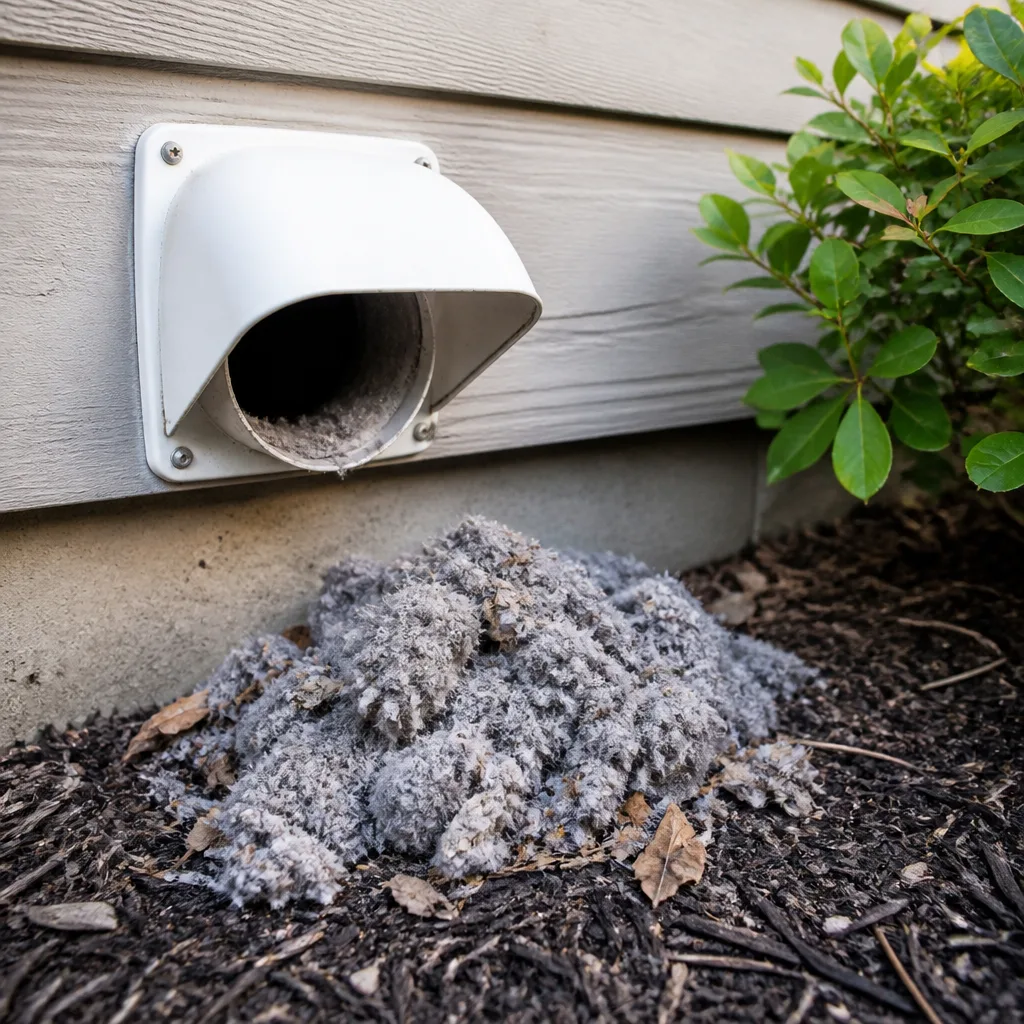 Dryer vent cleaning
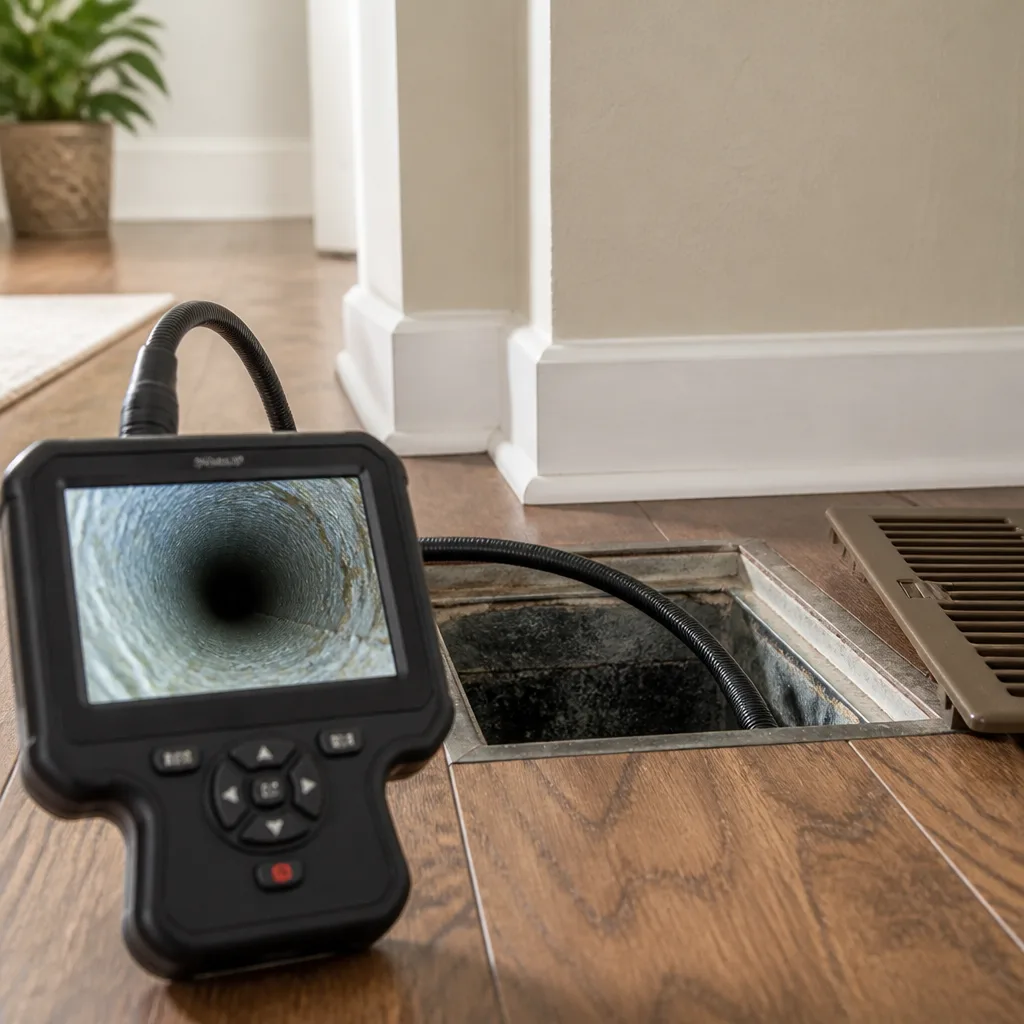 Camera inspection
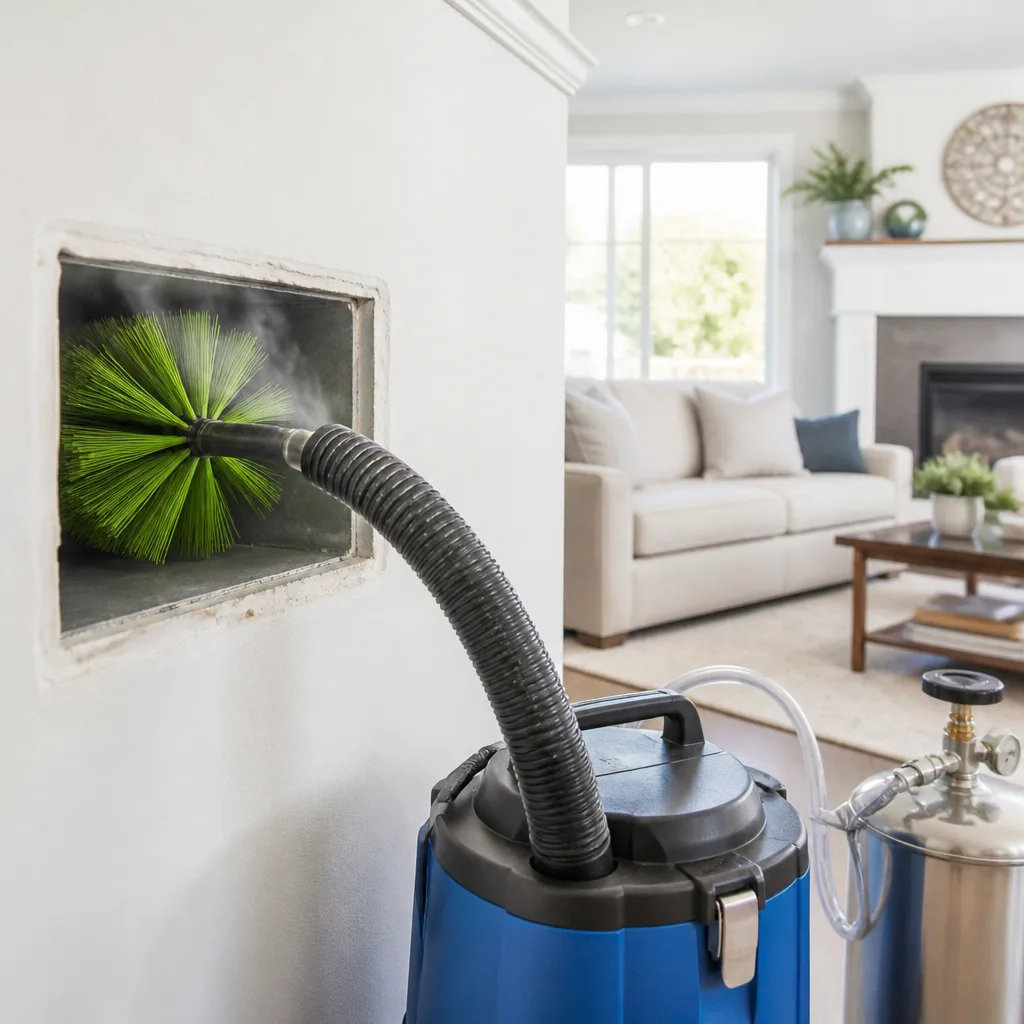 Sanitizing & deodorizing
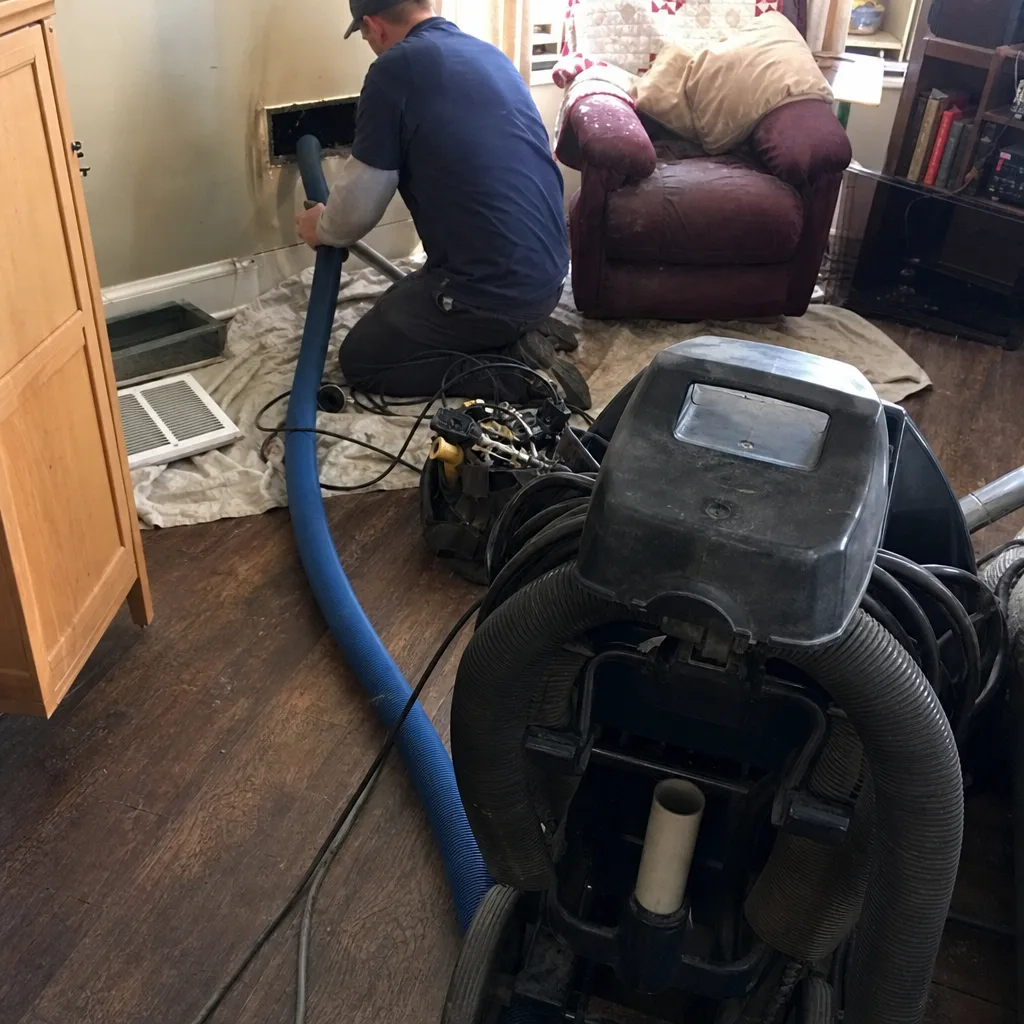
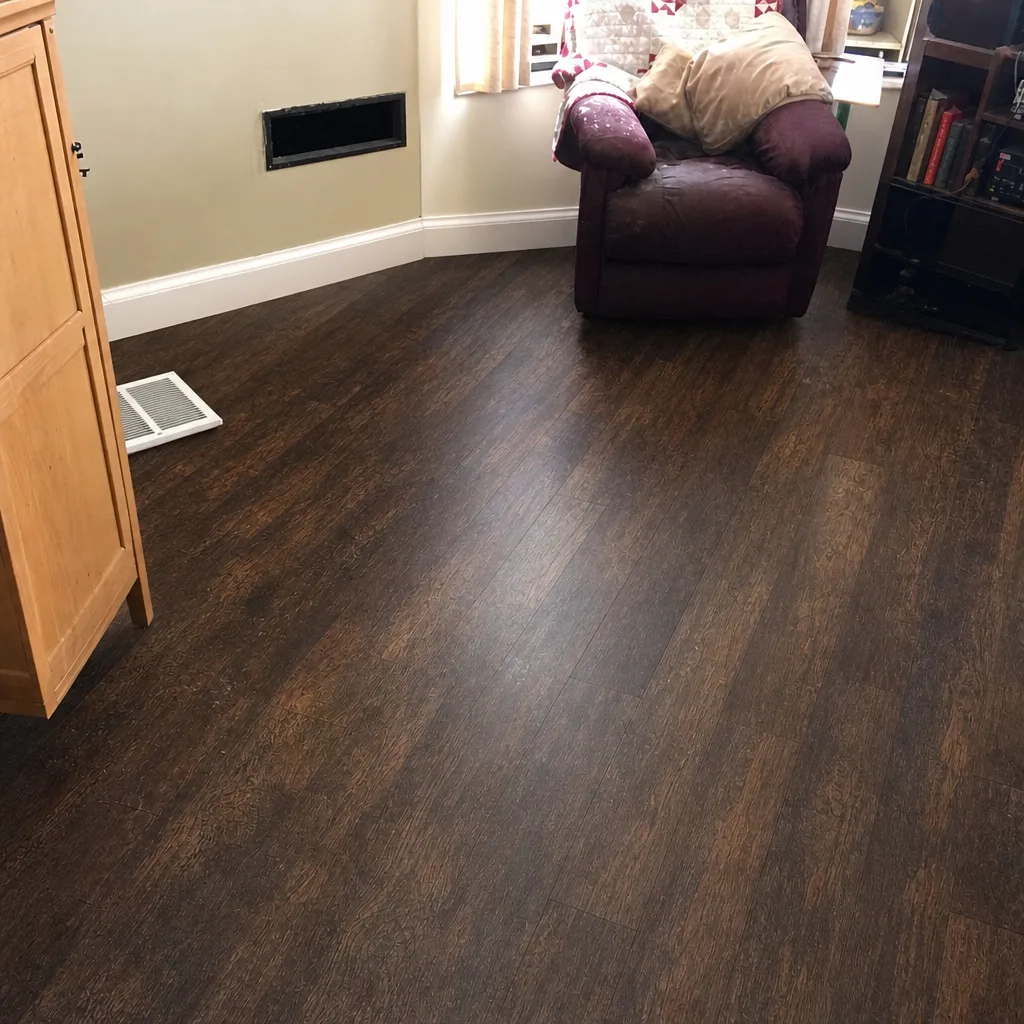
Whole-system duct and dryer vent check with before-and-after photos - you see exactly what came out of your vents
That "$99 whole-house special" is a bait ad - the real number appears once they are in your hallway, or the "clean" is a shop-vac at the register. We photograph the inside of your ducts before and after instead.
DIY vs Professional Air Duct Cleaning: The Syracuse Homeowner’s Decision Guide
Every video that shows a homeowner cleaning air ducts with a shop vac is really a demonstration of register cleaning. The vacuum reaches the grille, maybe the first few inches behind it, and stops. The contamination that actually changes what your family breathes sits much deeper in the system, in the trunk lines and branch runs that feed each room. In Syracuse, where our housing stock leans older and winters keep windows shut for months, that distinction matters. This guide separates what you can honestly handle yourself from what requires professional equipment, and it gives you a clear way to decide which job you’re facing.
Quick Answer
DIY air duct cleaning is useful for register grilles, return covers, and light surface dust near the vent opening, but it cannot reach the contamination deeper in the system. Professional cleaning uses negative-pressure equipment and rotary agitation that consumer tools cannot replicate, which is why deep cleaning is a pro job. For most Syracuse homeowners, DIY maintenance and periodic professional cleaning work best together.
Styles & brands we work with
- Whole-home duct cleaning
- Dryer vent cleaning
- Camera inspection
- Sanitizing & deodorizing
Table of Contents
- What DIY Air Duct Cleaning Actually Accomplishes
- Why Consumer Duct Cleaning Kits Fall Short
- The Equipment Threshold: What Separates Real Cleaning From Surface Work
- When DIY Is Genuinely Enough
- When DIY Is Not Enough
- Cost Per Outcome: DIY Time and Materials vs. Professional Cleaning
- Common Mistakes to Avoid
- When to Call a Professional
What DIY Air Duct Cleaning Actually Accomplishes
A homeowner with a vacuum, a microfiber cloth, and a soft brush can absolutely make the visible parts of a duct system cleaner. Here is what that work includes, and what it does for indoor air:
- Register and grille cleaning. Removing the vent covers, washing them in a sink, and vacuuming the dust that collects on the slats removes a surprising amount of visible buildup.
- Visible return box wiping. The inside walls of the return box near the opening collect dust and pet hair that a cloth and vacuum handle easily.
- Surface dust around the vent opening. The first few inches inside the duct are reachable with a flexible brush, and cleaning them reduces the loose dust that gets pushed into the room when the system first kicks on.
That work improves how the room looks and cuts the puff of dust you notice at startup. It does not change the air quality of the whole house, because the contamination that matters sits in the ducts themselves, not at the opening. A register pulls air from one small grille at a velocity that tends to keep the opening relatively clear and leaves the slower-moving sections further along to collect deposits. This is also why the improvement homeowners notice after DIY cleaning tends to fade within a few weeks.
If you’re going to use a kit at all, do it on a day when the system can stay off for a while afterward.
Why Consumer Duct Cleaning Kits Fall Short
The rotating brush attachments sold for drills look like professional rotary equipment and are often advertised as such. They are not. A consumer kit dislodges dust without any reliable way to capture it. What that means in practice:
- The drill brush loosens debris coating the duct walls and sends it into the airstream.
- Your household vacuum, holding a fraction of the suction of a shop system, cannot pull it back out.
- The loosened debris gets drawn into the living space through the registers or settles further downstream in the trunk lines.
- Air quality is temporarily worse than before you started.
We’ve seen the result of this pattern on plenty of jobs in Syracuse: fine dust redistributed across furniture and settling again in the ducts within days. The consumer kit isn’t dangerous, and it isn’t useless. It’s simply the wrong tool for anything past the first stretch of duct where you can see what you’re doing. If you use one, keep it to the visible section, wear a dust mask, and expect the deeper system to remain untouched.
The Equipment Threshold: What Separates Real Cleaning From Surface Work
The difference between surface cleaning and actual duct cleaning comes down to two capabilities: enough negative pressure to hold the whole system under vacuum, and enough mechanical agitation to break debris off the duct walls. Professional systems pull in the range of 2,000 cubic feet per minute or more. Consumer vacuums move a small fraction of that. The pressure has to come from equipment that is too large and too expensive for residential use.
Our approach uses duct cleaning Syracuse jobs run with Rotobrush rotary brush systems, which agitate the duct walls and dislodge the compacted dust, lint, and debris that a vacuum alone will pass right over. A Nikro HEPA-rated extraction unit captures that loosened material at the source instead of letting it redistribute through the house. For homes with more demanding indoor-air-quality concerns, we also carry Abatement Technologies equipment, which is built for containment scenarios well beyond routine cleaning.
That tier of equipment is why professional duct cleaning can’t be priced like a rental tool. The vacuum systems alone cost tens of thousands of dollars, and they’re large enough that they arrive on a truck rather than out of a closet. Understanding this is the core of the DIY decision: you’re not choosing between two versions of the same job. You’re choosing between register cleaning and whole-system cleaning.
When DIY Is Genuinely Enough
There are real situations where a homeowner can handle the job and should save the money. These are the cases:
- New construction dust. A newly built home often has drywall dust and construction residue near the registers. Wiping the covers and vacuuming the visible openings settles the last of it.
- Routine register maintenance. Twice a year, pulling the grilles and washing them keeps the visible system clean and is a job worth doing yourself.
- Light seasonal dust after a full professional cleaning. If the system was professionally cleaned recently, the buildup near the vents during the next season is manageable with a cloth and vacuum.
- Cosmetic upkeep in a well-maintained home. A house that has had regular professional cleaning and good filtration stays clean near the registers for a long time.
In these situations, DIY maintenance is the right call and doesn’t compromise anything. The distinction we care about is honesty: if your ducts are simply due for surface upkeep, we’ll tell you. If the job calls for professional equipment, we’ll tell you that too. In our experience, homeowners in Syracuse appreciate straight answers far more than a hard sell.
When DIY Is Not Enough
Certain conditions make home cleaning inadequate. In these cases, a consumer kit will not resolve the problem and can make it worse by disturbing material without capturing it:
- Post-renovation debris. Remodeling pushes drywall dust, sawdust, and small material into the return system. It settles deep in the trunk lines and needs extraction, not a surface wipe.
- Rodent evidence. Droppings, nesting material, or chewed insulation in the ducts are a contamination problem far beyond the vents. This requires proper containment and HEPA capture.
- Visible mold. Any mold you can see at a register or inside a duct is a sign of a moisture problem and contamination in the system. Cleaning has to be done carefully with containment, and the moisture source needs addressing.
- Compacted buildup in older Syracuse homes. Houses built in the first half of the last century often have decades of dust and lint packed into the ducts. The deposits are stuck to the walls and need mechanical agitation to break free.
- Renovation or construction pickup. If the house recently changed hands or was listed after a remodel, the ductwork deserves a full inspection before anyone calls it clean.
When these conditions are present, the honest answer is that the consumer kit isn’t the right tool. This is where a professional cleaning makes a measurable difference in what’s actually living inside your ducts.
Cost Per Outcome: DIY Time and Materials vs. Professional Cleaning
The right comparison isn’t the price tag alone. It’s what you get for what you spend. A consumer kit, a vacuum, and Saturday afternoons spent pulling registers add up in time and materials over a few years, and the result stays near the surface. Professional cleaning, priced as an estimate, addresses the whole system once and gives you a clear picture of its condition. Here’s how the two compare:
| Approach | What It Reaches | Typical Cost Shape | What You Get |
|---|---|---|---|
| DIY register cleaning | Grille, cover, first few inches of duct | Small cost for supplies; a few hours of your time each session | Cleaner-looking vents, less startup dust |
| Consumer drill-brush kit | Reachable bend near the opening | Kit cost plus your time; risk of redistributed dust | Mixed results; may need professional cleaning sooner |
| Professional whole-system cleaning | Branch runs and trunk lines, full length | Set per job by written estimate | Full extraction, before-and-after photos of your own ducts |
The DIY approach deserves credit for what it does well: it costs little and keeps the visible parts clean. But it can’t reach the contamination that affects air quality, and that’s the honest gap. If your goal is cleaner air and a system that isn’t redistributing old dust through the house, the professional cleaning is doing the work the DIY approach can’t. For more on what that job involves, see our page on air duct cleaning.
Common Mistakes to Avoid
- Assuming a shiny register means clean ducts. If you clean the covers but leave the branch runs alone, you’ve polished the outside of the problem. That’s the first job anyone can handle, and it’s where the value stops.
- Using a drill brush without a HEPA capture system. The brush loosens dust and the vacuum can’t collect it, so it redistributes into the living space. Do the work with a mask on and expect the deeper system to remain dirty.
- Skipping the dryer vent because it isn’t part of the heating system. The clothes dryer has its own duct line, and lint buildup there is a fire risk. DIY cleaning of that line has similar limits, and it’s worth understanding the process in our guide to dryer vent cleaning.
- Cleaning one vent because it looked dirty and ignoring the returns. The return side is where dust accumulates, and a half-cleaned system just redistributes what’s still behind it.
- Trying to clean mold yourself. Disturbing mold in a duct without containment spreads spores through the house. That’s a job for professional equipment.
- Assuming a recent renovation means the ducts are clean afterward. Construction dust settles deep in the system, and a surface pass doesn’t get it.
- Hiring a company that can’t fix what it finds. In Syracuse, many older homes have damaged or disconnected duct sections. Air duct cleaning should surface those problems, and some companies can handle the repair too.
When to Call a Professional
Call a professional when the ducts show signs of contamination beyond the surface, when a renovation or rodent problem is present, when the system is older or you’ve never had it inspected, or when the dryer vent hasn’t been cleaned. Call when you see visible mold or evidence of moisture in the ducts. And call when the ducts are damaged or you’ve noticed uneven airflow through the house. A professional cleaning with proper equipment will tell you what’s actually going on inside the system and fix what it can. Duct Cleaning Syracuse offers free estimates in Syracuse and can work with your insurer; call (855) 819-5569. We answer 24/7, and fast dispatch from 7am to 7pm runs Sunday through Friday.
We also provide air duct cleaning and duct repair along with the cleaning, so a compromised section discovered during the job gets addressed instead of cleaned around. If your system relies on a Honeywell or Aprilaire whole-home air quality setup, we service those systems as part of the work.
See the difference
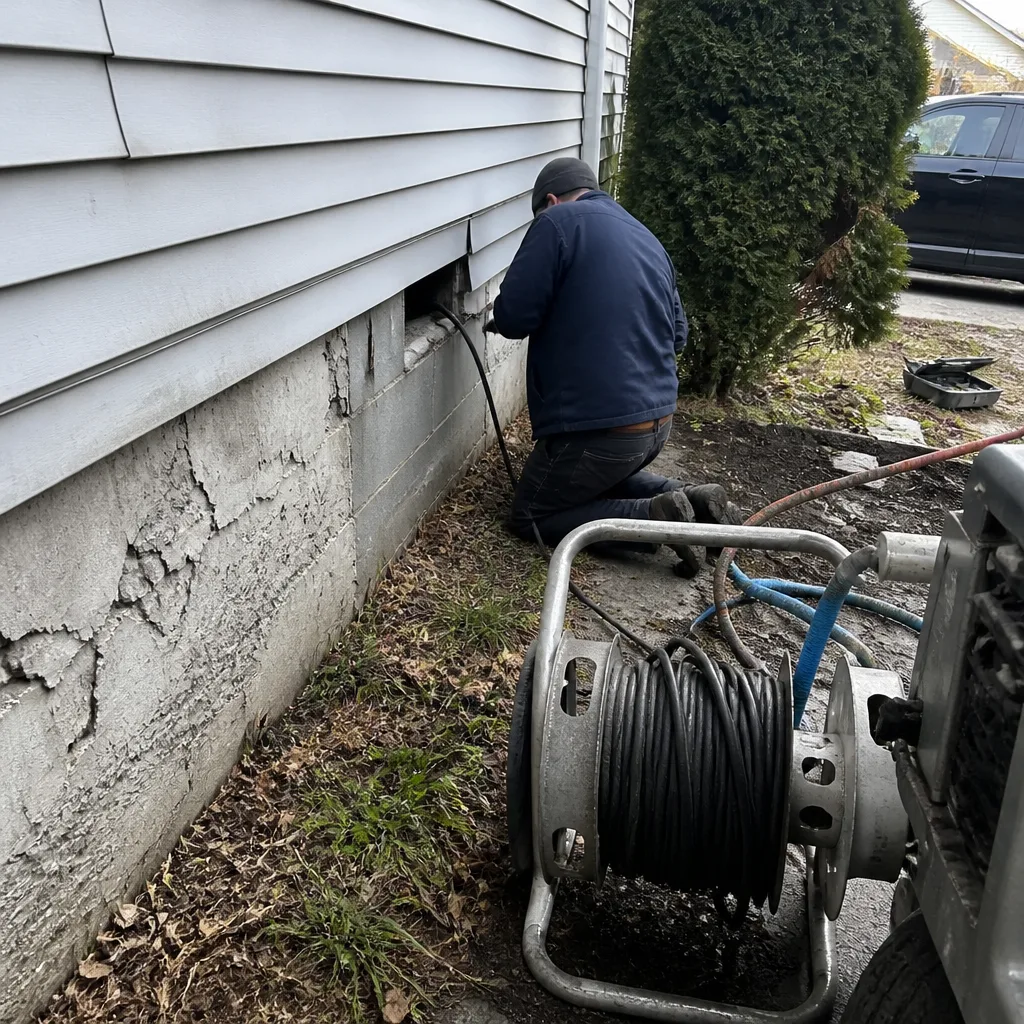 Before
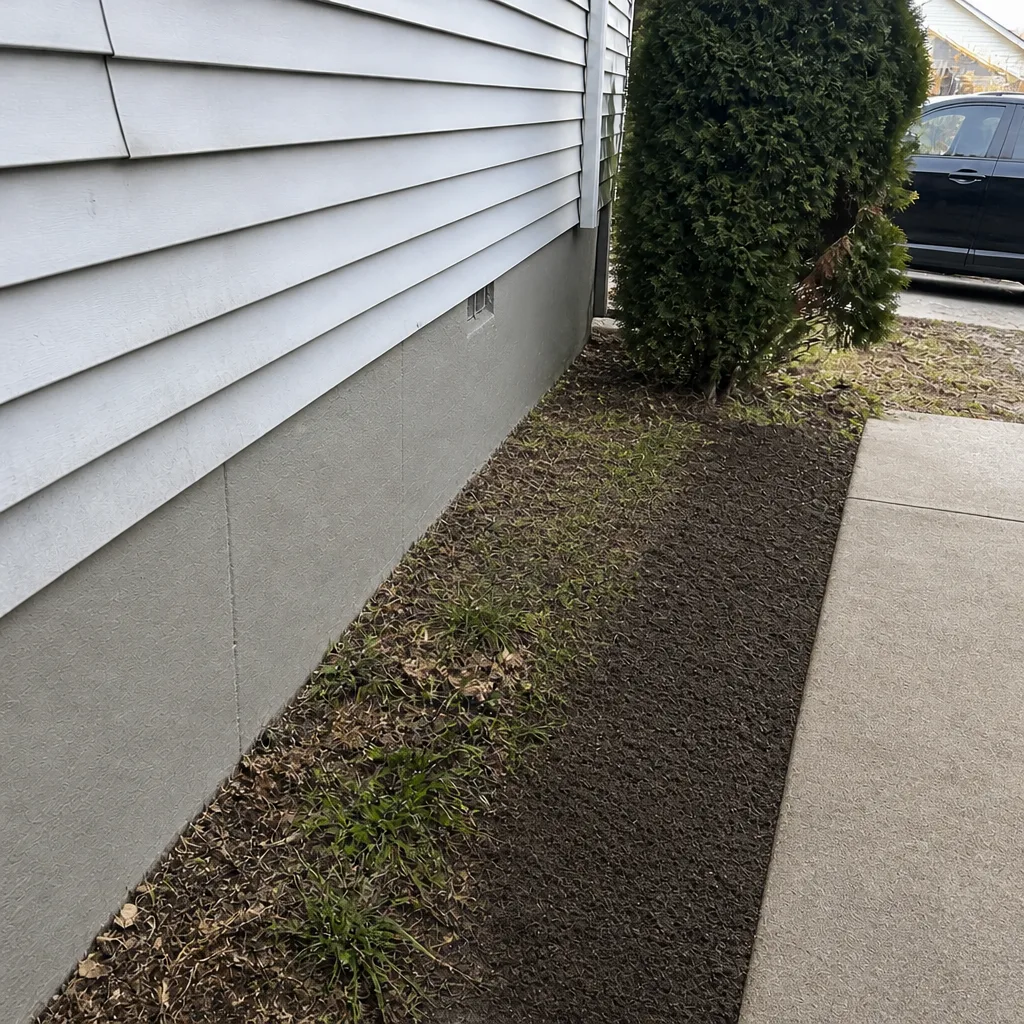 After
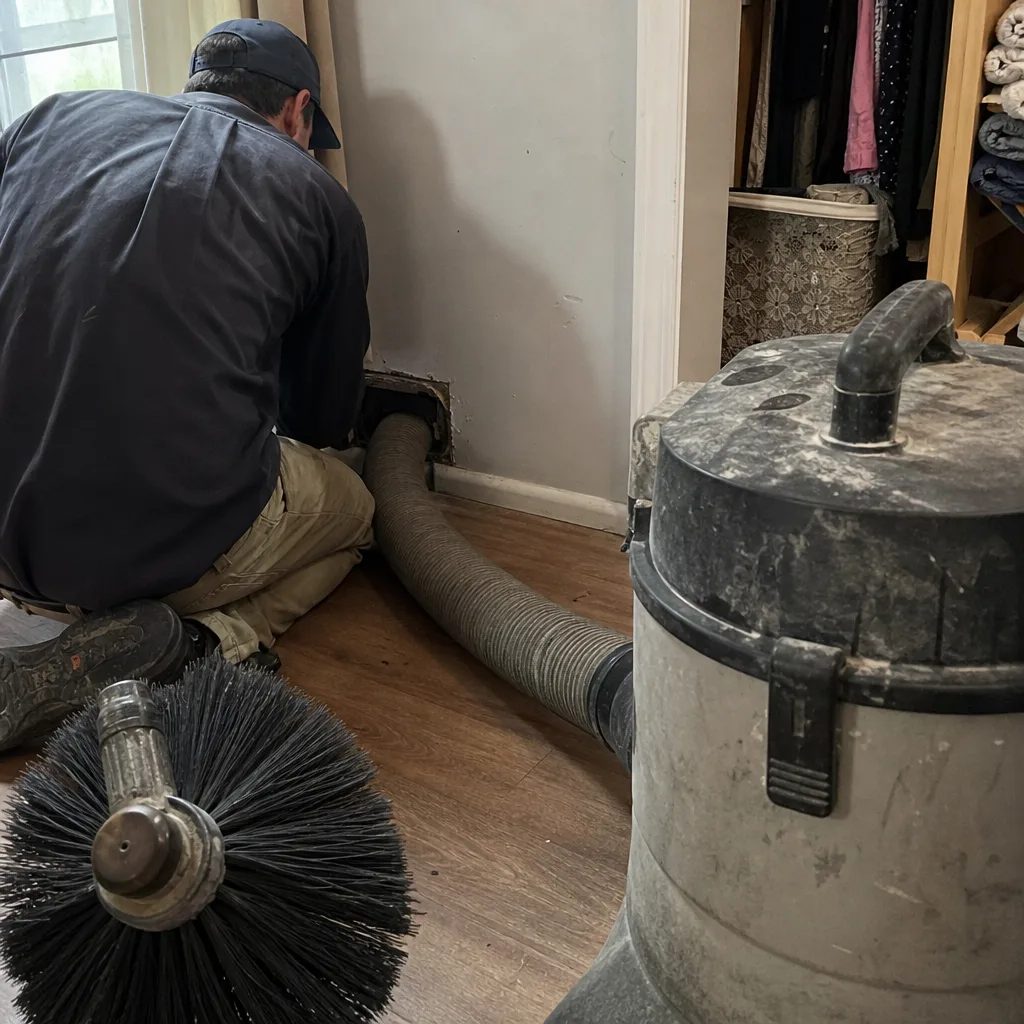 Before
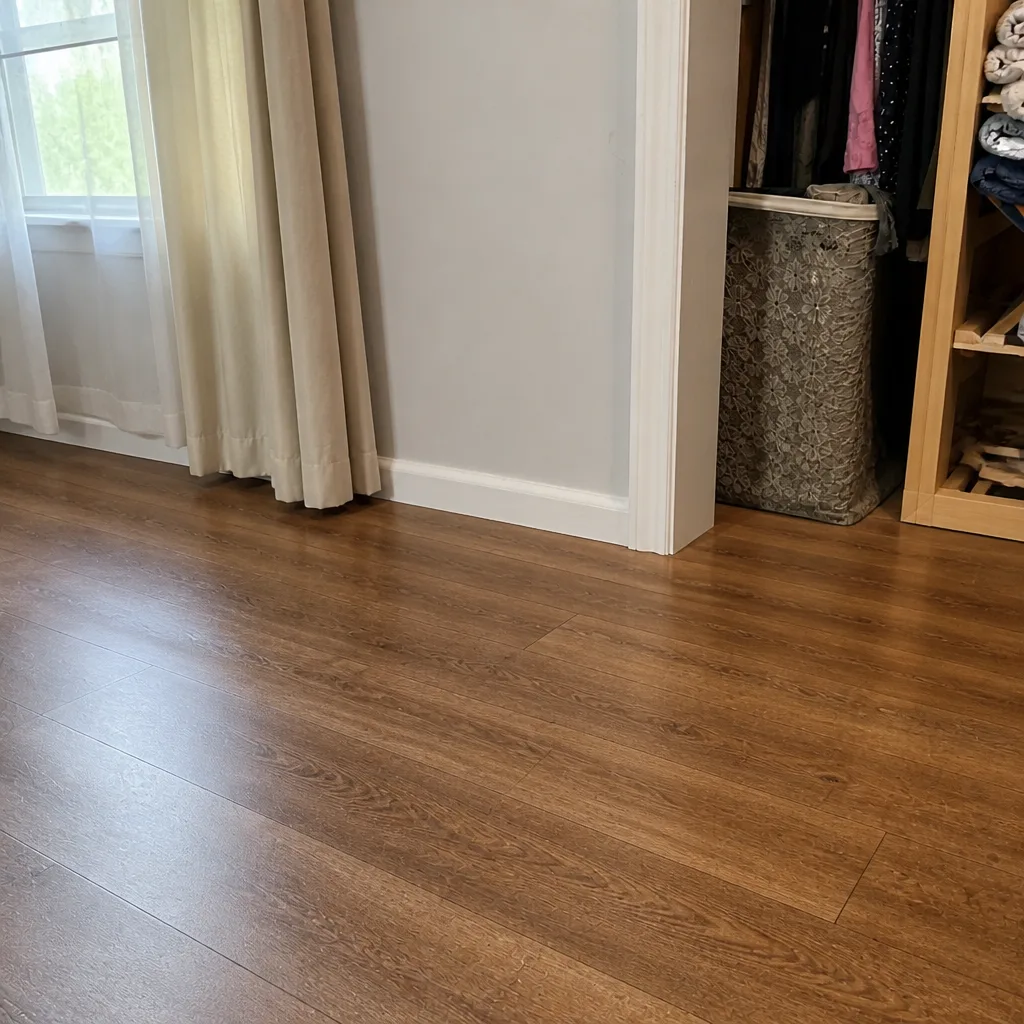 After
 Before
 After
Frequently Asked Questions
You can clean register grilles and the first few inches behind them with a shop vac, but you cannot clean the ducts themselves. The deeper branches and trunk lines need negative pressure and rotary agitation that consumer equipment doesn’t provide. Call (855) 819-5569 for a free estimate if you’re unsure which job you’re facing.
They’re worth it only for surface cleaning near the vent opening, and even then with caveats. A drill-mounted brush loosens dust without capturing it, which can make air quality temporarily worse. For anything deeper, the kit won’t reach the contamination, so the money is better spent on a professional job. Call (855) 819-5569 to get an exact quote.
Professional air duct cleaning in Syracuse is priced per job by a written estimate, so you’ll know the total before any work starts. That’s the honest way to price it, since no two homes have the same number of runs or the same level of buildup. Call (855) 819-5569 for a free estimate.
It’s usually a per-vent price that ends up covering only a surface pass, or a low base number that grows once the technician is on site. A flat price per system agreed before work starts is the honest approach, and it’s what we offer. Call (855) 819-5569 to compare.
Ask for before-and-after photos of your own ducts, and ask what equipment is being used. A company with proper equipment will happily tell you. If you can’t get a straight answer on the equipment, that’s a signal. Call (855) 819-5569 to book a job that comes with before-and-after photos.
Most homes do well with professional cleaning every few years, plus DIY register upkeep twice a year. Homes with pets, recent renovations, or older duct systems often benefit from more frequent attention. In Syracuse, where heating runs hard through the winter and windows stay shut, the system sees a lot of use. Call (855) 819-5569 to talk through a realistic schedule.
The Bottom Line
DIY air duct cleaning is real, useful work, but it’s limited to the first stretch of each run, where the least contamination typically sits. Consumer kits dislodge dust without capturing it, which can make air quality temporarily worse. Professional cleaning uses equipment that isn’t available to homeowners, and it reaches the contamination that actually affects the house. The two aren’t rivals: clean your registers yourself, and bring in professional equipment for the whole system, especially after renovations or in older Syracuse homes.
Ready to find out what’s actually inside your ducts? Call Duct Cleaning Syracuse at (855) 819-5569 for a free estimate. We answer 24/7, and fast dispatch from 7am to 7pm runs Sunday through Friday. One flat price per system, agreed before work starts, with before-and-after photos of your own ducts.
Written by the team at Duct Cleaning Syracuse.