
Last updated November 15, 2026
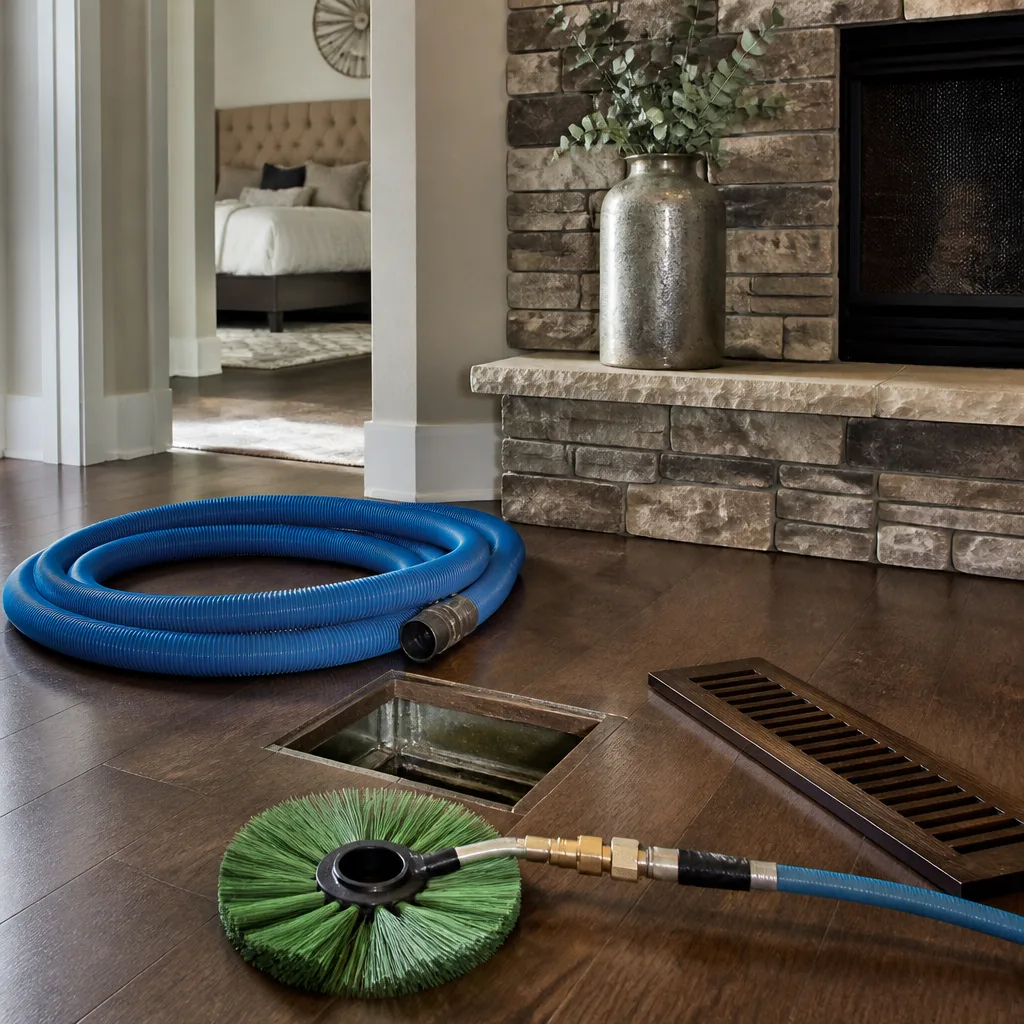 Whole-home duct cleaning
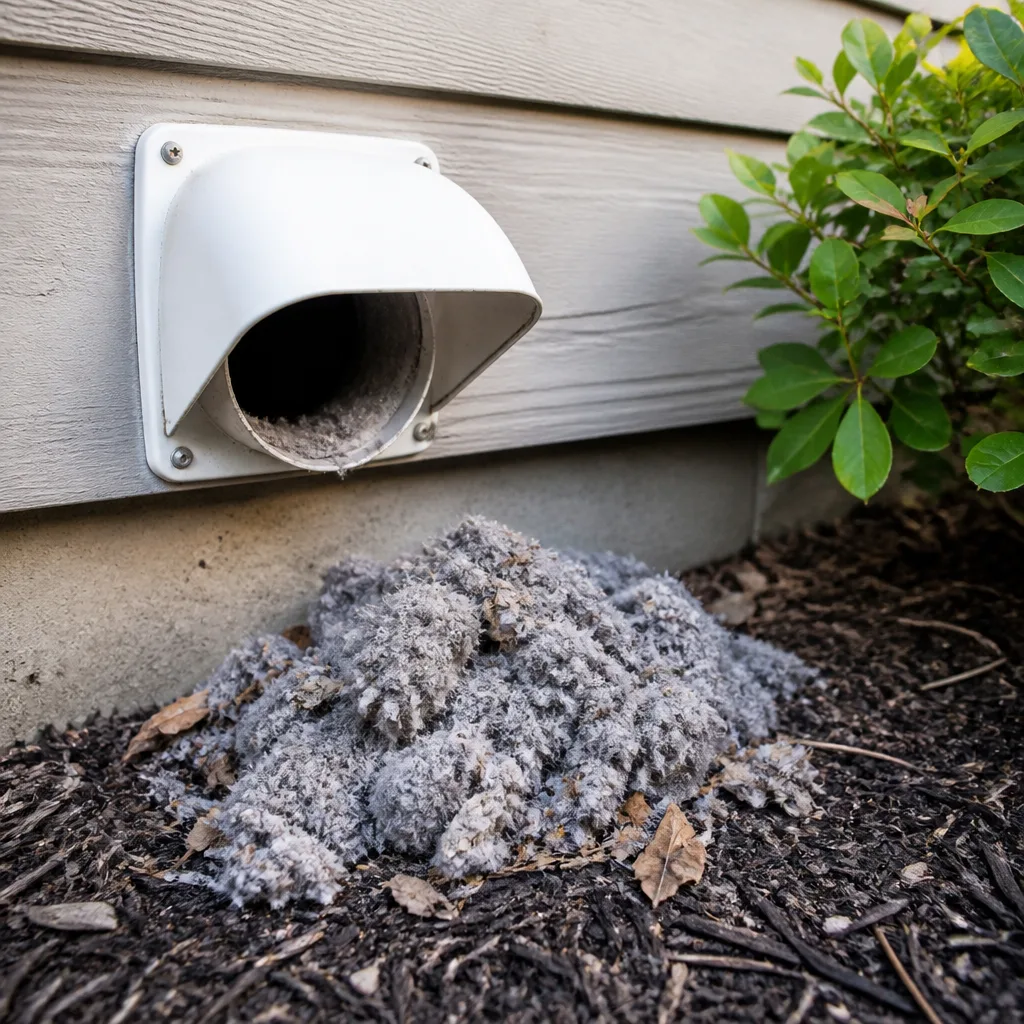 Dryer vent cleaning
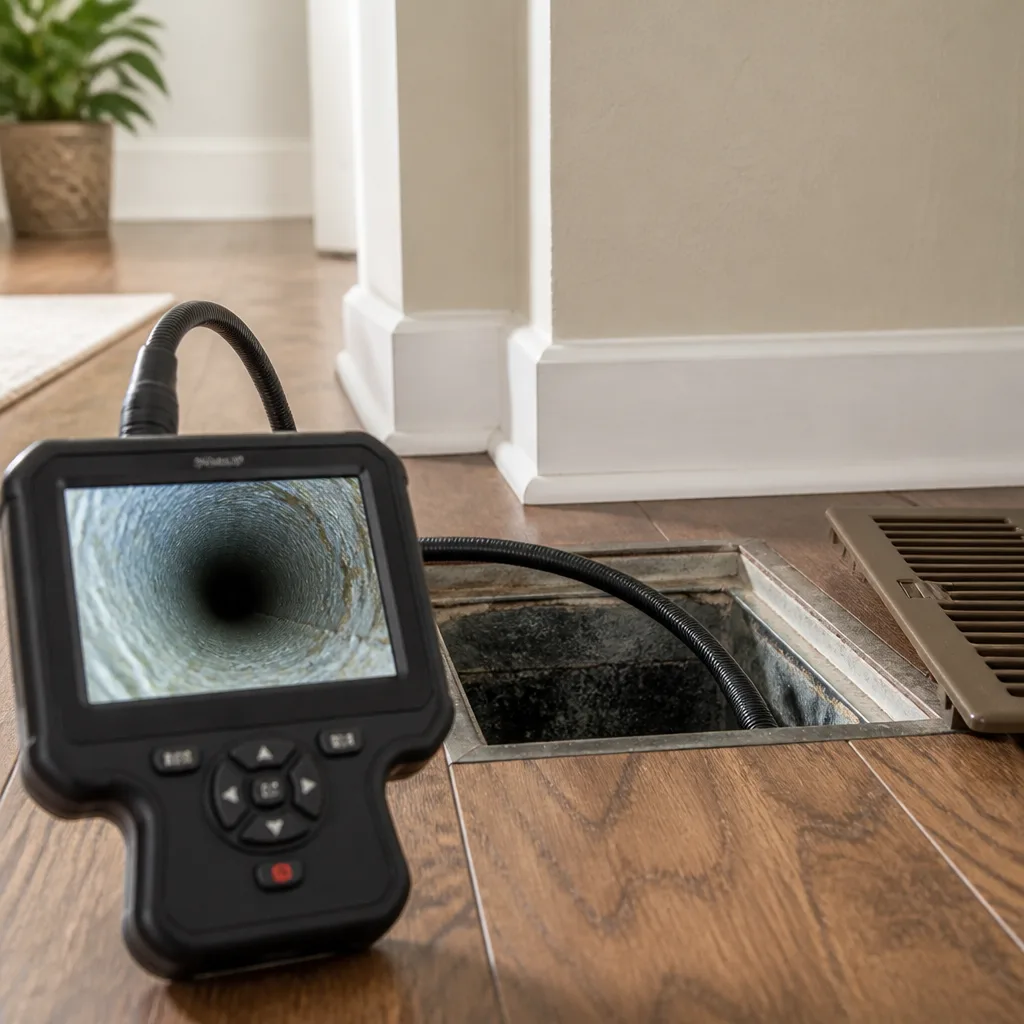 Camera inspection
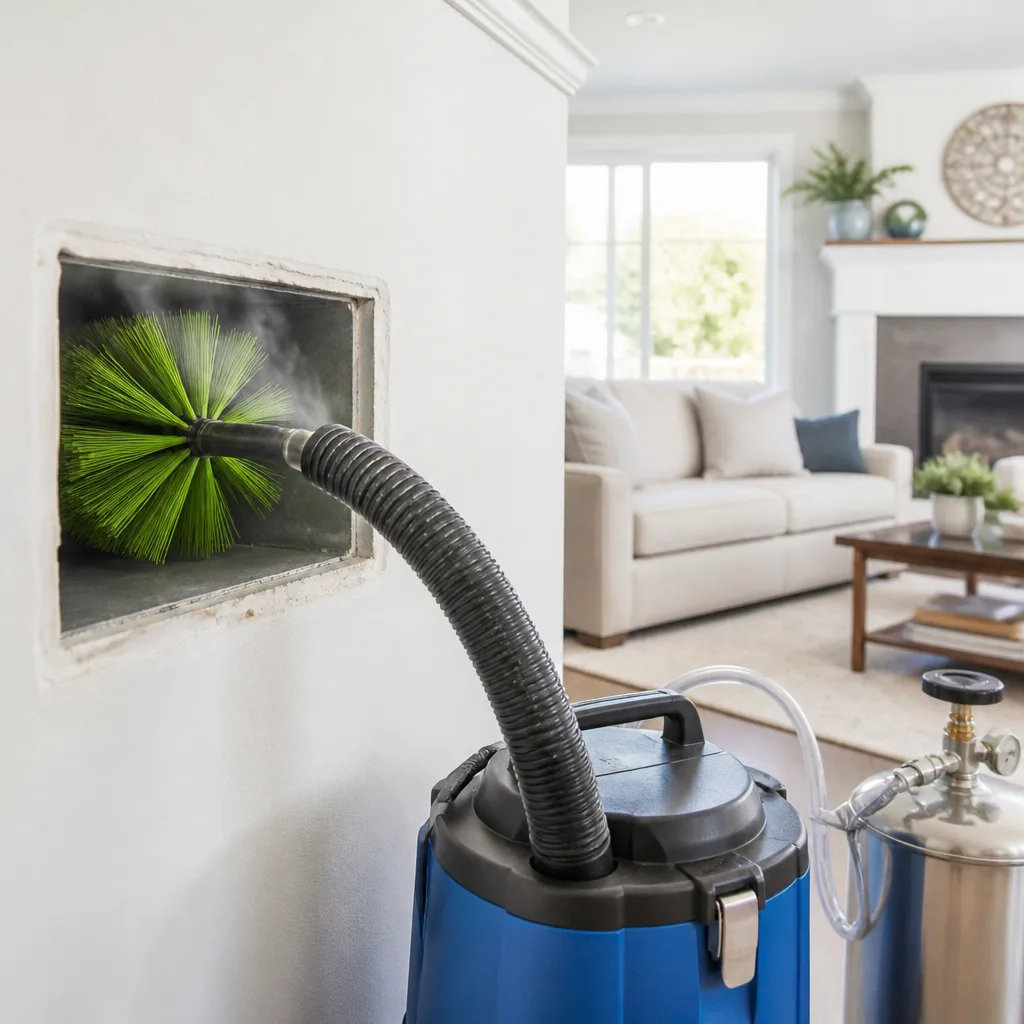 Sanitizing & deodorizing
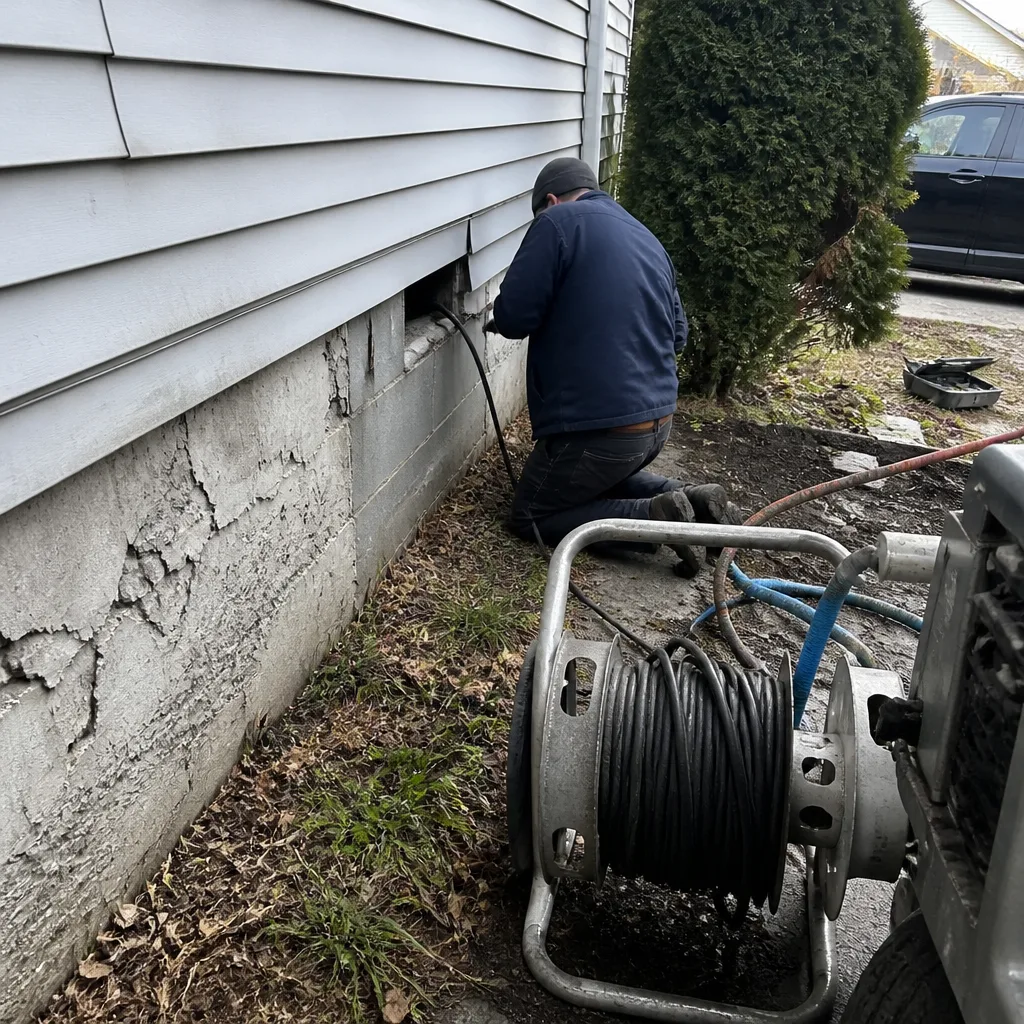
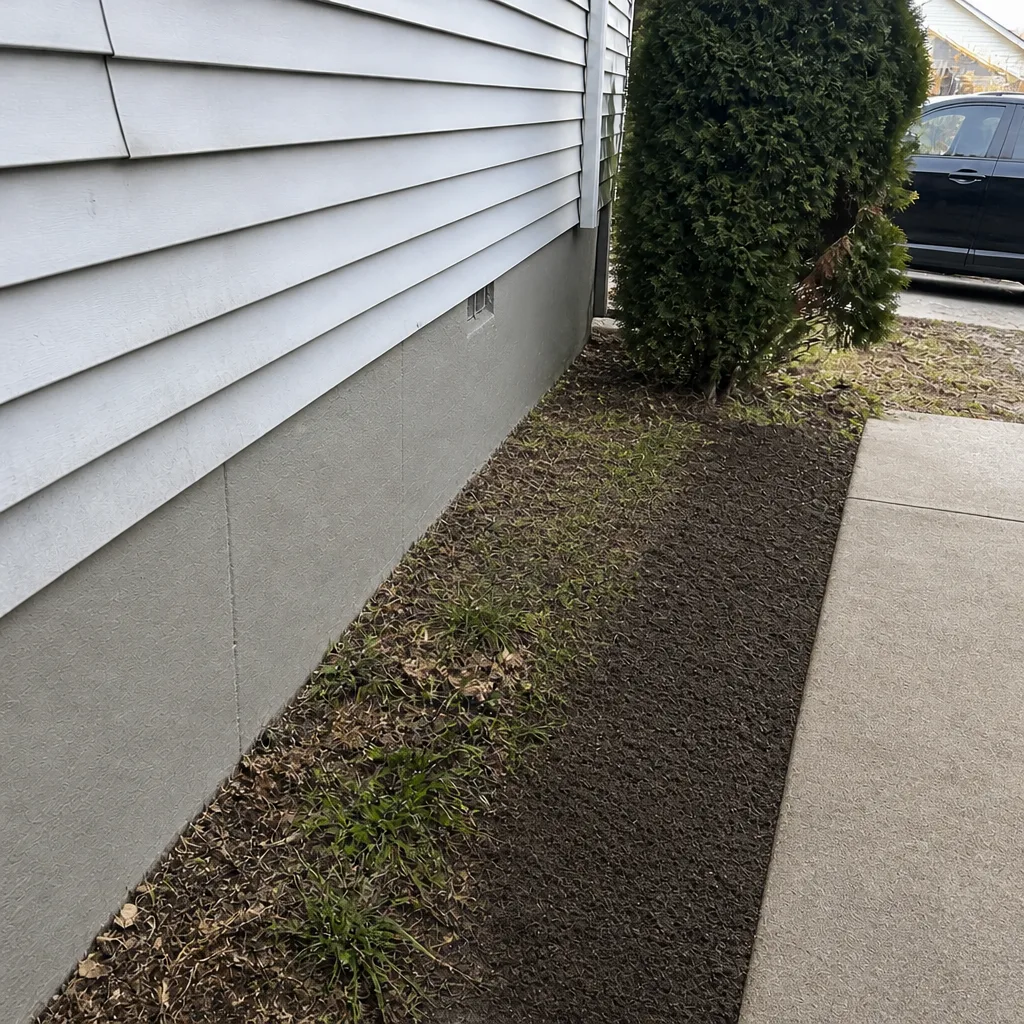
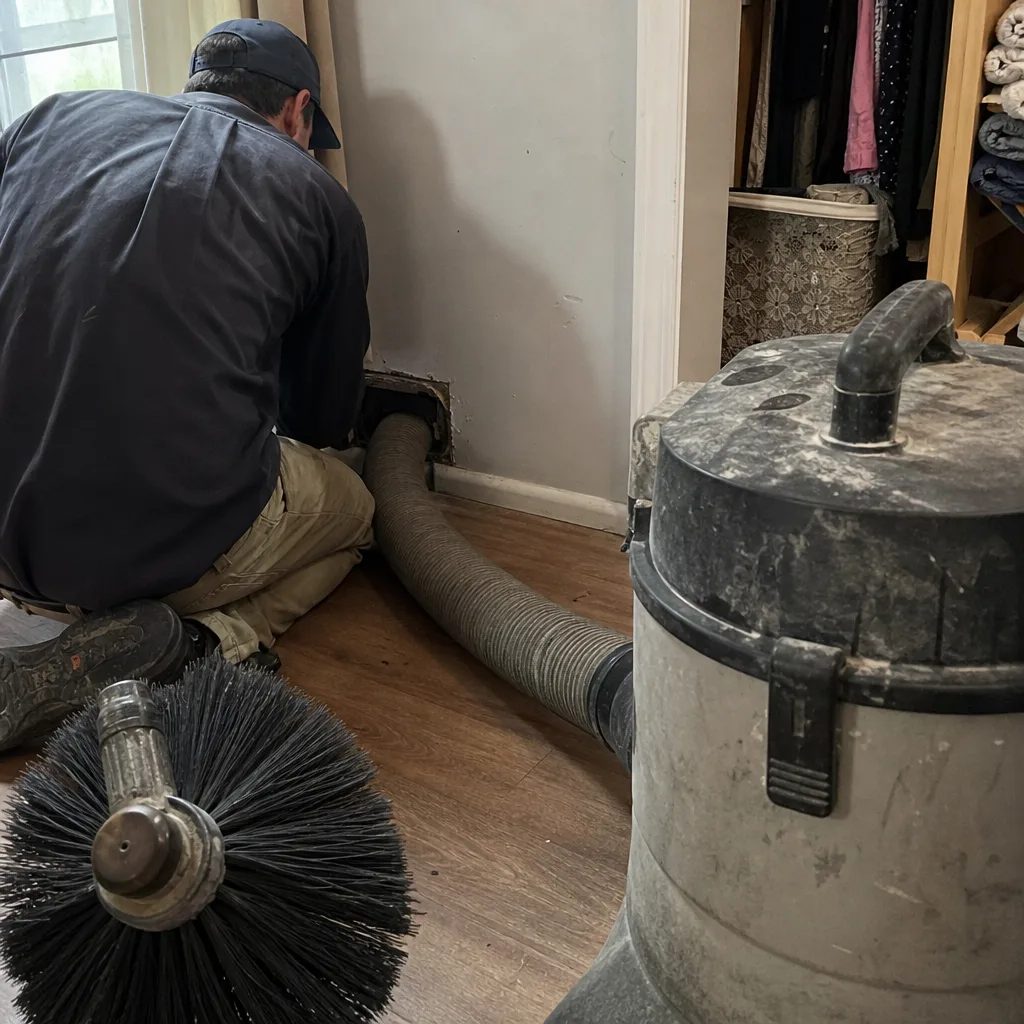
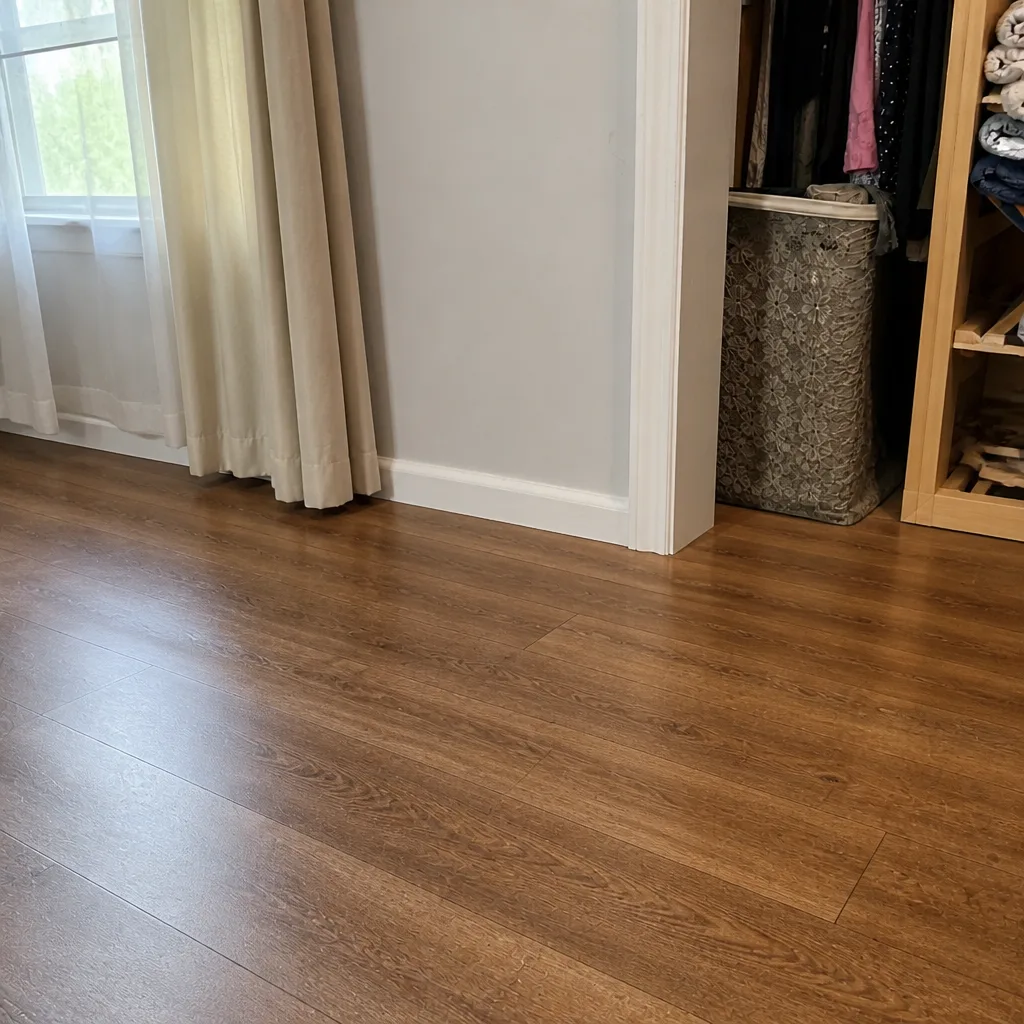
Whole-system duct and dryer vent check with before-and-after photos - you see exactly what came out of your vents
That "$99 whole-house special" is a bait ad - the real number appears once they are in your hallway, or the "clean" is a shop-vac at the register. We photograph the inside of your ducts before and after instead.
Air Duct Cleaning Emergency Preparedness Guide for Syracuse Homes
After a basement flood in Syracuse, most homeowners call a water remediation company and a plumber. Almost nobody calls an HVAC company, even though the return duct system sitting inches above that wet floor has likely been pulling contaminated air through every room in the house for the duration of the event. The same blind spot shows up after a furnace puff-back or when a homeowner finds rodent droppings in the attic insulation. The ductwork is the last thing anyone thinks about and the first thing that spreads a problem from one room to the whole house. This guide walks through the three emergencies we see most often in Syracuse, what to do in the first 24 hours, how restoration-grade cleaning actually works, what your insurance adjuster will want to see, and the three questions that separate a qualified responder from someone who shows up fast and charges accordingly.
Quick Answer
If an emergency contaminates your duct system in Syracuse, shut the HVAC system off at the thermostat and at the breaker before doing anything else. Do not run the fan to “air out” the house. Call for a duct assessment and document the conditions with photos before any cleanup begins. Restoration-grade duct cleaning after a flood, puff-back, or pest infestation requires mechanical agitation and HEPA extraction, not a shop vac and a hose. Get a written assessment with before-and-after photos, especially if you plan to file an insurance claim.
Styles & brands we work with
- Whole-home duct cleaning
- Dryer vent cleaning
- Camera inspection
- Sanitizing & deodorizing
Table of Contents
- The Three Syracuse Emergencies That Contaminate Ductwork
- What to Do in the First 24 Hours
- Why Smoke and Soot Need Restoration-Grade Cleaning
- Documentation Your Adjuster Will Ask For
- How to Vet an Emergency Duct Service Under Pressure
- Preparing Your Duct System Before the Next Emergency
- Common Mistakes to Avoid
- When to Call a Professional
The Three Syracuse Emergencies That Contaminate Ductwork
Most duct emergencies in Syracuse fall into one of three categories. Each one contaminates the system differently, and each one calls for a slightly different response.
1. Basement Flooding
Syracuse sits on heavy clay soils and plenty of older housing stock with fieldstone or poured concrete foundations that were never designed for the water tables we get in a wet spring. When a basement takes on water, the return ducts, supply trunks that run through the basement ceiling, and any low-lying flex runs are all in the splash zone. Water itself isn’t the main problem. The problem is what water carries: silt, sewage backflow in a combined-sewer event, mold spores, and whatever was stored on the floor. A running HVAC system pulls that moist, contaminated air into the return and pushes it through every register in the house. Even after the water is pumped out, the duct interiors can stay damp for weeks, which is exactly the condition mold needs. This is the single most common reason we get called for post-flood duct work in the Syracuse area.
2. Furnace Puff-Backs on Oil Systems
A lot of Syracuse homes still heat with oil, and oil furnaces are prone to puff-backs: a delayed ignition that sends a burst of soot-laden exhaust backward through the heat exchanger and into the supply plenum. A puff-back looks like a small thing from the outside. Inside the ductwork it’s a different story. Soot from a puff-back is oily, fine, and clings to every interior surface it touches, and the smell can linger in a house long after the furnace has been repaired. If you notice a puff-back, shut the system down, get the furnace looked at by your heating contractor, and then have the ducts assessed before you turn the air back on.
3. Attic Rodent Infestations in Flex Duct
Older Syracuse homes with attic or kneewall flex duct runs are vulnerable to mice and squirrels, and the damage happens quietly. Rodents chew through the outer jacket and the inner liner to get in and out, leaving gaps that pull attic air into the supply stream. Droppings, urine, nesting material, and dead rodents can all end up inside the run. If a pest control company has just cleared an attic infestation, the ducts need an assessment before normal operation resumes. In our experience, a chewed flex run is often the thing that has been quietly degrading air quality for months before anyone noticed.
What to Do in the First 24 Hours
The first 24 hours after a duct-contaminating event decide how much damage you’re dealing with. Here is the sequence we recommend. It’s short and it’s specific, and it applies to a flood, a puff-back, or a discovered pest problem.
- Shut the system down at the thermostat. Set the mode to “off.” Do not switch it to “fan only” or “on.”
- Cut power at the breaker. At the air handler or furnace breaker, flip it off. This protects the equipment if there’s water involved.
- Do not run the fan to air out the house. This is the wrong instinct and probably the most common mistake we see. Running the fan pulls the contamination through every room, then deposits it on furniture, bedding, and walls.
- Photograph everything. Water line on the basement wall, soot staining at the supply registers, droppings in the attic, the filter, the visible interior of any return you can safely reach. Timestamped photos help later if you file a claim.
- Call your HVAC contractor and a duct specialist. The HVAC contractor checks the equipment. The duct specialist assesses the system. These are two different jobs and both need to happen.
- Keep a written record of everything you touched. Time of the event, time you shut the system off, who you called, what they said. Adjusters like timelines.
A note on the furnace filter. Change it, but keep the old one. A soot-blackened or water-saturated filter is evidence, and it belongs in the same folder as your photos. Homeowners in Syracuse who keep this level of detail tend to have smoother claims.
Why Smoke and Soot Need Restoration-Grade Cleaning
Standard duct cleaning is designed to remove dust, loose debris, and light buildup from a system that is otherwise functioning normally. Smoke and soot are a different problem. Soot particles are tiny, and many of them are oily. They stick to the interior of the duct wall, they don’t lift with a standard vacuum head, and they redeposit on interior surfaces whenever the air moves. A puff-back or a small fire that doesn’t physically damage the ducts can still coat the entire system interior in a fine layer that standard cleaning will not remove.
Restoration-grade cleaning means three things working together:
- Mechanical agitation. A rotary brush system such as the Rotobrush physically scrubs the duct wall and dislodges soot and adhered debris that vacuum alone would skim past.
- HEPA-rated extraction. Nikro HEPA equipment captures dislodged particulate at the source instead of pushing it into the living space. This matters more with soot than with ordinary dust because soot particles stay airborne longer.
- Containment. Abatement Technologies equipment lets a technician set up negative-pressure containment around the work area so nothing migrates into the rooms you’re trying to keep clean. That’s built for serious indoor-air-quality scenarios, not light residential jobs.
If the house has a Honeywell or Aprilaire whole-home air quality component installed, it needs to be part of the plan too. Cleaning the ducts and leaving a soot-loaded media filter in the air cleaner is not a complete job. In our experience, the IAQ equipment and the ducts have to be treated as one system.
Documentation Your Adjuster Will Ask For
Most homeowner policies will cover duct system contamination as part of a covered loss, but the burden of proof is on you. Adjusters are trained to look for specific records, and missing documents slow down or sink otherwise valid claims. Here is what a duct-related insurance claim typically needs. This is general guidance, not a coverage opinion; your policy language controls.
- Timestamped photos of the source event. The water line, the soot staining, the chewed flex jacket, the pest evidence.
- Photos of the duct system before cleaning. Visible interior of the return plenum and at least one supply with clear contamination visible.
- A written assessment from the duct company. What was found, where, and why it required restoration-grade work rather than standard cleaning.
- Before-and-after photos of the same locations. Adjusters want to see that the work was actually done, not just billed.
- Equipment list. The type of equipment used and its capability. Restoration-grade equipment justifies a restoration-grade scope.
- Invoice matched to the written scope. Any additional work that wasn’t in the original scope needs its own documented reason.
Ask for all of this before work begins, not after. A duct company that hesitates to provide a written assessment and before-and-after photos is telling you something. In Syracuse we see fewer problems when the documentation conversation happens on the first phone call.
How to Vet an Emergency Duct Service Under Pressure
Emergencies create pressure. You want the problem fixed fast, and that urgency is exactly what low-quality operators count on. The three questions below separate a qualified responder from a company that shows up with a coupon and leaves with a much larger invoice.
Question 1: What equipment will you actually use?
A proper restoration-grade duct cleaning uses mechanical agitation and HEPA extraction. Ask directly what equipment will be on the job. If the answer is vague, or if it sounds like the setup a car wash uses, that’s your answer. Rotobrush rotary systems and Nikro HEPA equipment are the standard. Abatement Technologies equipment matters if there’s any containment concern, and any fire or flood job should have some answer for containment.
Question 2: Is the price per system or per vent?
Per-vent pricing is where bait-and-switch operations live. The coupon price is for one vent, the invoice is for twenty. A qualified duct company quotes one flat price per system, agreed before any work starts. Ask for that in writing.
Question 3: Can I see before-and-after photos of my own ducts?
Before-and-after photos of your actual ducts, not a stock photo in a brochure. This is the single best indicator of whether the work was done. If they can’t or won’t provide them, you have no way to verify that anything happened.
Honorable mention: ask whether the company repairs ducts or only cleans them. If the assessment turns up a chewed flex run or a collapsed trunk line, you want someone who can fix it, not someone who cleans around it and hands you a surprise referral. Duct Cleaning Syracuse is one of the few duct-focused companies in the area that also performs air duct repair as a standalone service. We clean it, and if it’s broken, we fix it.
Preparing Your Duct System Before the Next Emergency
There is no way to fully prevent a spring flood or a furnace puff-back. There is a lot you can do to make the next one less damaging. This section is the pre-emergency prep plan we walk Syracuse homeowners through.
- Know where your air handler breaker is. Write it on a note taped inside the panel cover. If a flood hits, you won’t want to be tracing circuits by flashlight.
- Photograph your duct system now, while it’s clean. A dated set of photos of your return plenum, your supply registers, and your attic flex runs makes the before-and-after in a future claim far more convincing.
- Get an inspection if the house is older than twenty years. Duct systems get missed in a lot of remodels. Know what you have: rigid trunks, flex runs, a mix, and where the flex is exposed to pests.
- Have your whole-home air quality equipment serviced. If you have a Honeywell or Aprilaire system, it needs to be working correctly in normal times so it can do its job post-event.
- Clean the dryer vent on a schedule. It doesn’t relate to a flood, but dryer vent cleaning is the other emergency-prevention service every Syracuse home should have on a calendar.
- Schedule a baseline cleaning if it’s been years. A system that starts clean recovers from contamination faster than one that was already loaded with debris. For context on what a routine service involves, see our page on air duct cleaning.
The baseline cleaning point matters more than it sounds. If your ducts already have a decade of dust and pet hair built up, a flood or puff-back contaminating that buildup creates a much bigger restoration job than the same event would in a clean system. If you suspect a current problem and want to know what routine service involves here, our main Duct Cleaning Syracuse page lays out the process.
Common Mistakes to Avoid
- Running the fan to “air out” the house. This is the mistake. It’s the instinct everyone has, and it turns a localized problem into a whole-house contamination event. Shut the system down at the thermostat and at the breaker, and leave it down until a professional has assessed it. In a Syracuse spring flood, this is the difference between cleaning two runs and cleaning the entire system.
- Calling a water remediation company and assuming duct work is included. Most remediation crews handle structure, flooring, drywall, and contents. Ductwork is a separate specialty. Ask specifically whether the remediation scope includes the HVAC system, and if the answer is fuzzy, get a separate duct assessment.
- Accepting a coupon price over the phone. A per-vent teaser price is not an estimate. Ask for one flat price per system, in writing, before work begins. Any company that won’t put that on paper is telling you where the invoice is heading.
- Skipping the photos. The camera on your phone is your insurance evidence. Photograph the water line, the soot staining, the pest damage, and the visible duct interior before you touch anything. Adjusters in Syracuse who handle flood claims see these events regularly and they know what a real flood line looks like.
- Cleaning the ducts without addressing a pest problem. If a rodent has been in the attic flex runs, cleaning before pest control has excluded the animals just resets the clock. Pest exclusion first, then duct assessment, then cleaning and repair.
- Treating the whole-home air cleaner as separate from the ducts. A soot-coated media filter in a Honeywell or Aprilaire system keeps re-contaminating the air the ducts just delivered. Both sides get serviced, not just one.
- Assuming the HVAC contractor’s repair covered the ducts. The heating tech who fixes the furnace is not assessing the duct system interior. Two different jobs. Confirm the ducts separately, especially after a puff-back, where the visible furnace fix can hide a system-wide soot problem.
When to Call a Professional
Some duct issues just need looking at. Others need a trained professional immediately. Call us when: the basement has taken on water and the HVAC system was running during or after; a furnace puff-back has occurred, even a small one; a pest control company has cleared an attic infestation that involved chewed flex duct; there is visible soot staining at any supply register; the system smell doesn’t clear after a normal filter change; or a home inspector has flagged the ducts as suspect during a purchase.
Duct Cleaning Syracuse offers free estimates in Syracuse. Our technicians have up to 14 years of experience, we use professional-grade equipment (Rotobrush rotary systems, Nikro HEPA extraction, Abatement Technologies containment) on every job, and the price is set per job by a written estimate before work begins. Call (855) 819-5569. We answer 24/7. Fast dispatch from 7am to 7pm, Sunday through Friday.
See the difference
 Before
 After
 Before
 After
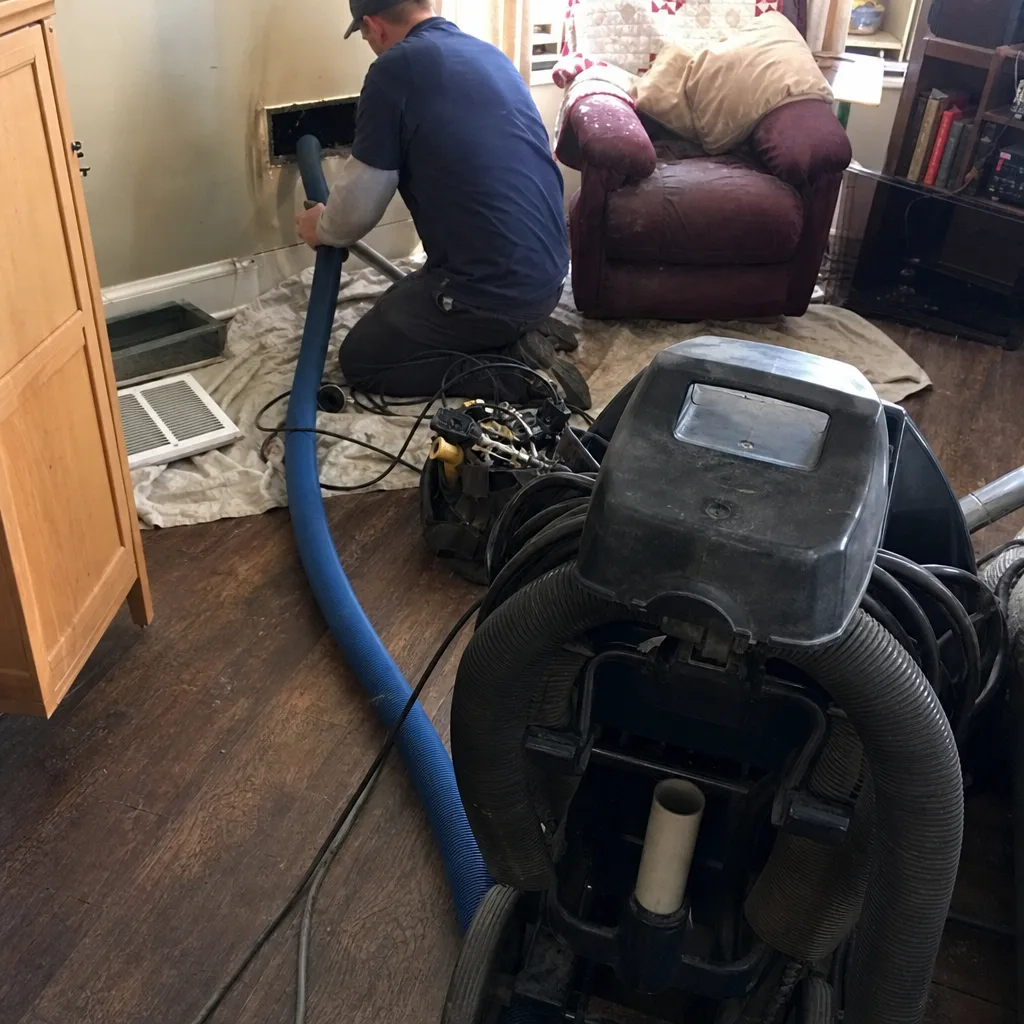 Before
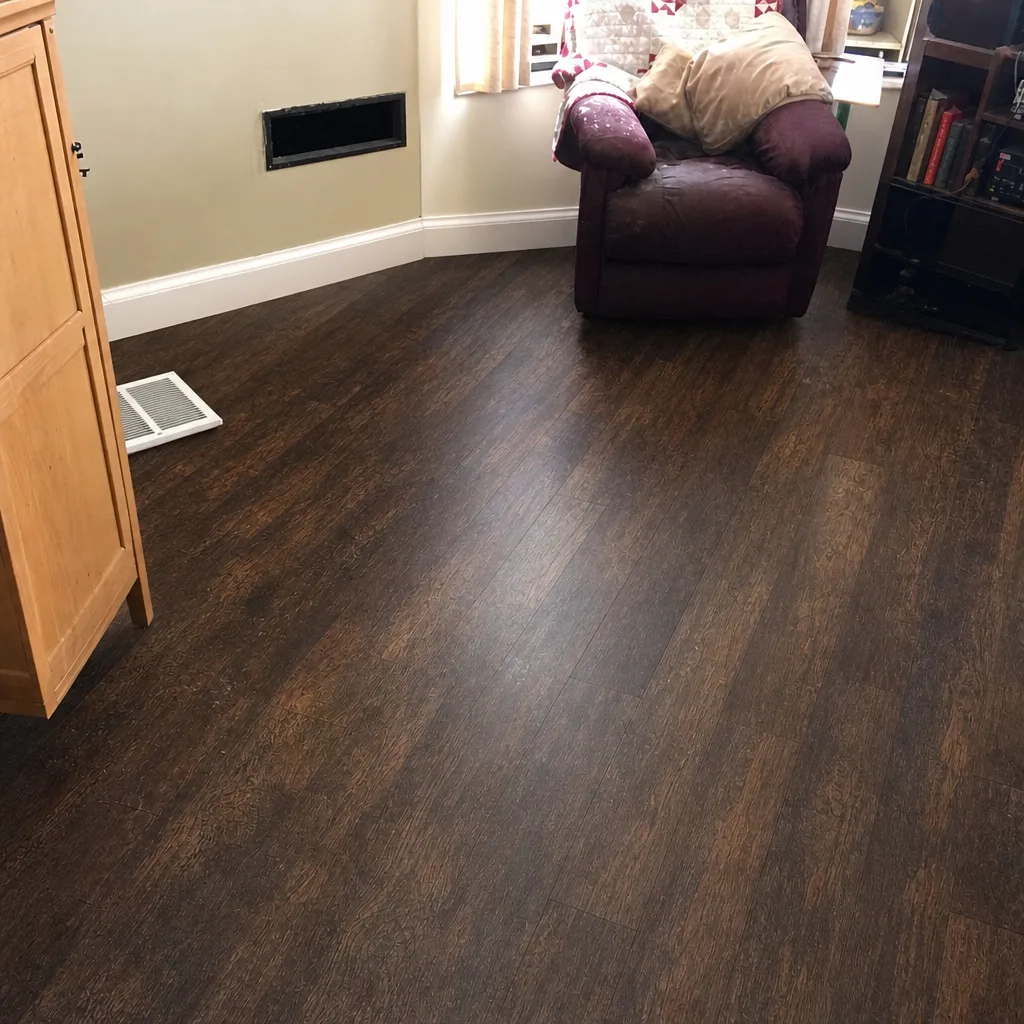 After
Frequently Asked Questions
Yes, if the HVAC system was running at any point during or after the flood, or if the return ducts or low-lying runs were submerged or splashed. Even a short wet period creates the humidity mold needs, and any sediment that reached the duct interior will re-aerosolize once the system comes back on. Call (855) 819-5569 for a free assessment before turning the system back on.
No. Running the fan pulls contamination from the affected area through every room in the house. Shut the system down at the thermostat and at the breaker, then call for a duct assessment. A dehumidifier and open windows (weather permitting) are the right tools for drying; the air handler is not.
Soot is finer, oilier, and clings to the duct wall. Standard vacuum equipment skims past it. Restoration-grade cleaning uses mechanical agitation (Rotobrush rotary systems) to scrub the wall and HEPA extraction (Nikro) to capture the soot at the source without redistributing it. Containment may also be needed on a fire or puff-back job.
Timestamped photos of the source event, photos of the duct interior before cleaning, a written assessment from the duct company, before-and-after photos of the same locations, the equipment list, and an invoice matched to the written scope. Ask for all of it before work starts, and keep the old furnace filter. Your policy language controls whether the specific loss is covered.
Ask for before-and-after photos of your own ducts, not stock photos. Any qualified company can and will provide these. A written assessment with photo documentation also protects you during an insurance claim. If a company can’t or won’t, call (855) 819-5569 for a free second opinion.
Cleaning removes contamination from a functioning system. Repair fixes the system itself: chewed flex runs, disconnected joints, crushed trunks, failed seals. A proper emergency assessment covers both, because a heavily contaminated duct system often turns out to have a structural problem underneath. Duct Cleaning Syracuse offers duct cleaning, dryer vent cleaning, and air duct repair as separate services, so a problem found during cleaning gets fixed, not walked past.
The Bottom Line
Duct systems are the fastest vector for contamination in a home emergency, and they’re the part of the house everyone forgets to include in the response plan. Shut the system off first, document everything, and call a specialist who can assess both the cleaning and the repair side. Restoration-grade equipment matters more after a flood, puff-back, or pest problem than it does in routine service, and so does documentation. Every homeowner should also have a baseline inspection on the calendar before the next event. Duct Cleaning Syracuse focuses on exactly three services (cleaning, dryer vents, and repair) and uses professional-grade equipment on every job. Call (855) 819-5569 for a free estimate.
Written by the team at Duct Cleaning Syracuse.