
Last updated November 15, 2026
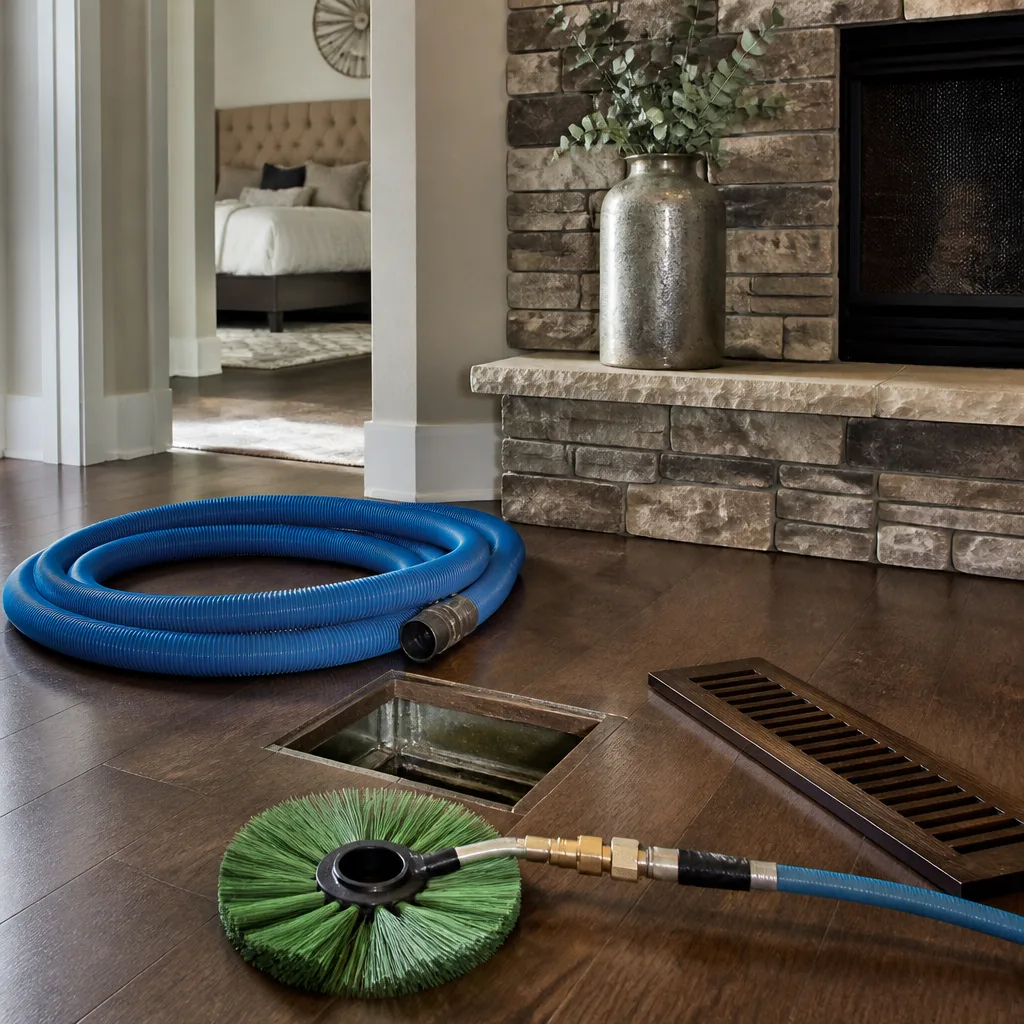 Whole-home duct cleaning
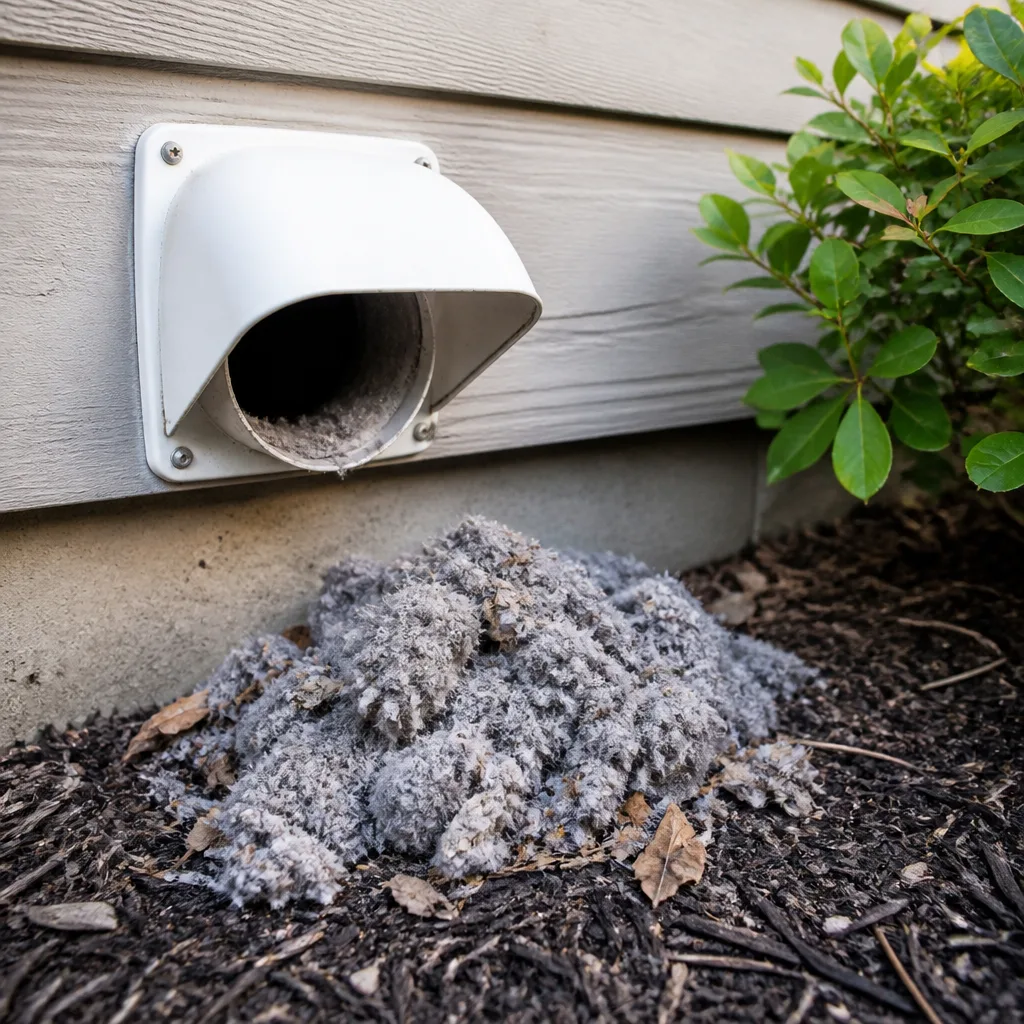 Dryer vent cleaning
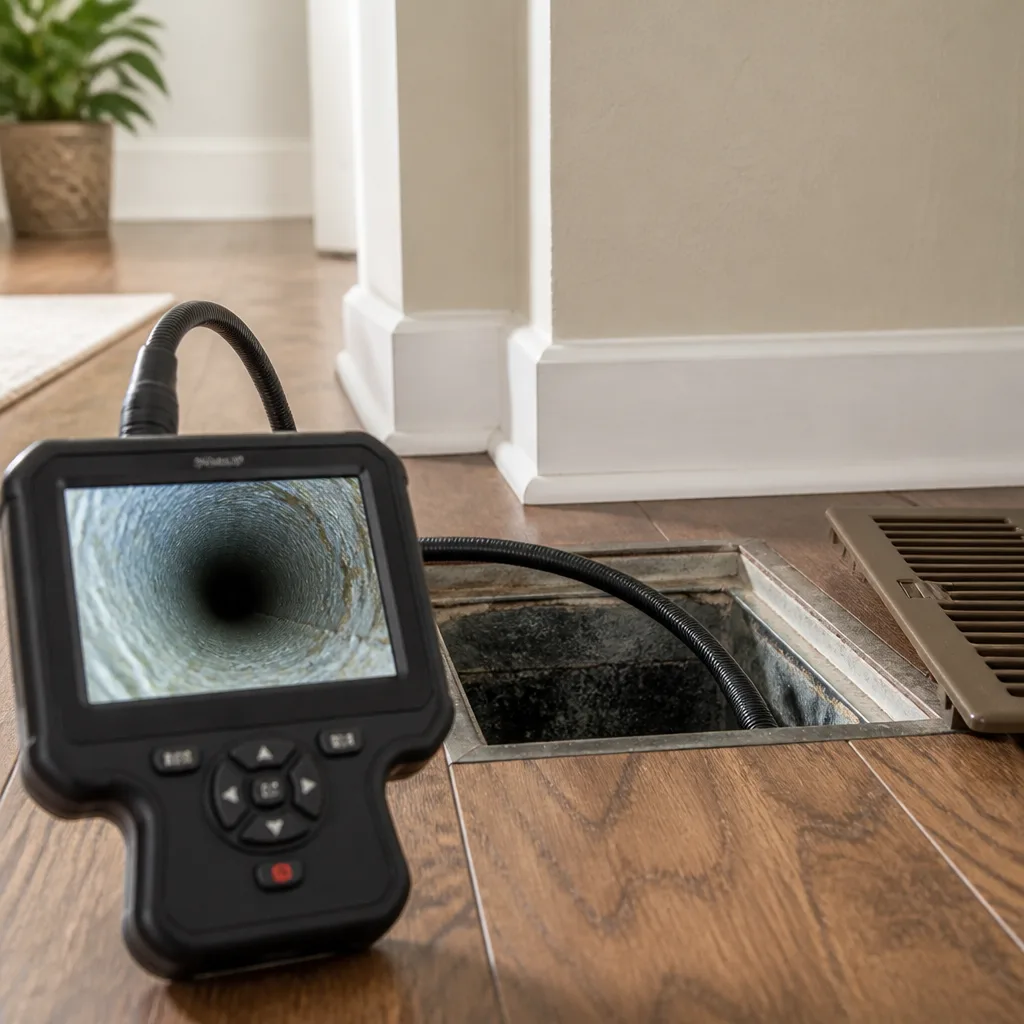 Camera inspection
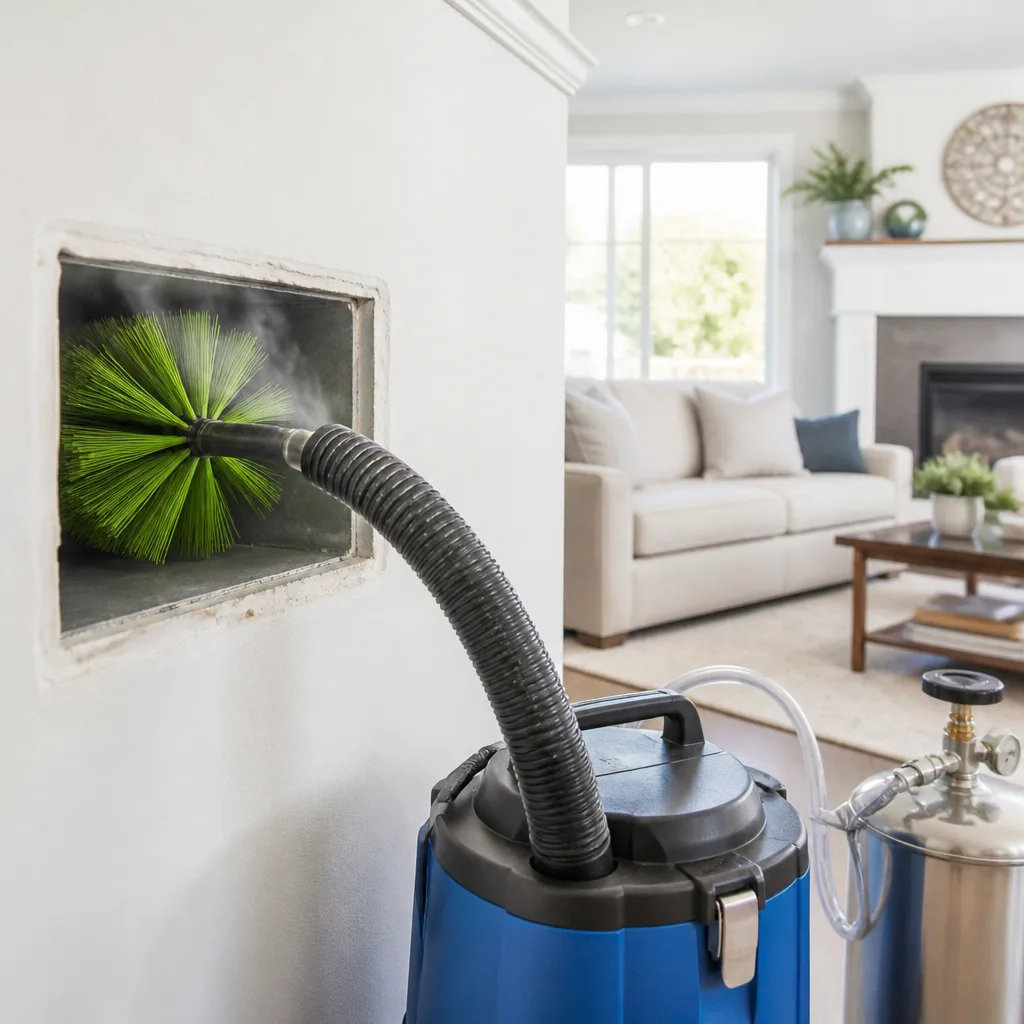 Sanitizing & deodorizing
Whole-system duct and dryer vent check with before-and-after photos - you see exactly what came out of your vents
That "$99 whole-house special" is a bait ad - the real number appears once they are in your hallway, or the "clean" is a shop-vac at the register. We photograph the inside of your ducts before and after instead.
Air Duct Cleaning Permits, Codes & Inspections in Syracuse, NY: What You Need to Know
The phone rings, a technician pulls a length of crushed flex duct out of a joist bay, and suddenly the job has changed. A duct cleaning company that cuts into sheet metal to reach a blockage, replaces a section of flexible duct, or seals a return plenum has just crossed from cleaning into mechanical work. In New York State, that shift has code implications most Syracuse homeowners never think to ask about. Cleaning is one thing. Altering a duct system is another. This guide draws that line clearly, from what New York’s Mechanical Code actually governs to how permits get pulled in Onondaga County, so you know exactly whose name goes on the paperwork and what to check before anyone opens up your ductwork in Syracuse.
Quick Answer
Routine air duct cleaning does not require a permit in New York, but the repairs that often follow it can. Replacing duct sections, modifying a plenum, reconnecting a detached trunk line, or removing mold from a duct system can fall under New York State Mechanical Code requirements for licensed mechanical work and local building permits in Syracuse and Onondaga County. Ask who pulls the permit, who performs the repair, and how the work is documented before the job starts.
Styles & brands we work with
- Whole-home duct cleaning
- Dryer vent cleaning
- Camera inspection
- Sanitizing & deodorizing
Table of Contents
- What New York State Mechanical Code Says About Ducts
- Where Cleaning Ends and Permitted Work Begins
- How Mold in Ductwork Is Handled in New York
- What Syracuse and Onondaga County Actually Track
- How to Protect Yourself When a Defect Is Found
- What an Inspection Looks Like and Who Does It
- Why This Matters at Resale
- Syracuse Climate, Ducts, and Wear
What New York State Mechanical Code Says About Ducts
The New York State Mechanical Code governs how duct systems are built, sealed, supported, and connected. Within it, Section 603 addresses duct construction and Section 604 addresses duct insulation. If those numbers sound dry, here’s what they mean in practice: your duct system is required to meet specific material, connection, and sealing standards, and any work that changes the system is expected to keep it compliant with those standards.
That’s the technical skeleton. The practical question for Syracuse homeowners is simpler: does the work in front of you count as maintenance or as a modification to a code-regulated system? Most of the time, cleaning is maintenance. But a cleaning visit that turns into a repair crosses into a different category of work, and the code follows the repair, not the cleaning.
What Section 603 touches on in broad strokes:
- Duct materials and how sections are joined and sealed
- Support and clearance so ducts don’t sag, crush, or press against dangerous surfaces
- Connections to plenums and equipment
- Requirements tied to a change in the system’s design or capacity
Section 604 covers insulation requirements around ductwork, which matters in a Syracuse basement where ducts run through unconditioned space. If a repair replaces an insulated duct run with an uninsulated one, you’ve changed the system’s thermal performance, not just patched a hole. That type of change is exactly the kind of thing that calls for a licensed mechanical contractor and, in many cases, a permit.
We can’t overstate this: the code applies to the work, not to the company doing it. A duct cleaning crew that performs a repair is doing mechanical work. Whether that crew is properly licensed and permitted to do it is the question to ask before they show up, not after.
Where Cleaning Ends and Permitted Work Begins
Here’s the boundary most homeowners never see coming. Cleaning removes debris from inside a duct system that’s structurally intact. Repair and modification change the physical system. That distinction drives everything else in this guide.
Cleaning, on its own, typically doesn’t require a permit. Running a rotary brush head through your supply trunk, extracting debris with a HEPA-rated vacuum, and photographing what’s inside does not alter the duct system. That work falls into routine maintenance across duct cleaning Syracuse and everywhere else in New York.
But certain jobs cross the line. These are the scenarios where the work moves into permitted mechanical territory:
- Duct replacement: replacing a crushed, disconnected, or deteriorated section of flex or sheet metal duct
- Plenum modification: cutting into, resealing, or altering the supply or return plenum that connects ductwork to the furnace
- Reconnecting a disconnected trunk line: reattaching a main trunk or branch that has separated from the system
- Adding or rerouting a duct run: extending or moving ductwork to serve a space differently
- Sealing a significant leak in a code-regulated assembly: mastic or tape work beyond routine maintenance
- Removing mold-contaminated duct sections: covered separately, see below
The reason this matters so much is what happens after the fact. Unpermitted mechanical work doesn’t disappear. It sits in the record of the home and surfaces during a home inspection, a buyer’s due diligence, or a refinance. When it does, the homeowner is the one who has to answer for it, not the company that did the work.
The fix is straightforward: ask any company that’s about to perform a repair, before the repair begins, whether they’re licensed to do mechanical work and whether they pull a permit when one is required. A company that only cleans should say so and stop there. A company that also repairs should be able to explain its process for the mechanical side.
How Mold in Ductwork Is Handled in New York
Mold in a duct system is handled differently from ordinary debris removal. The New York State Department of Labor publishes mold remediation guidance that treats the work as an environmental specialty, not a cleaning side job. That guidance covers assessment, containment, personal protection, and, critically, documentation of what was removed and where.
What this means for a Syracuse homeowner is that a cleaning company that finds visible mold should not simply scrub the duct and move on. The appropriate next step is an assessment of whether remediation is needed, and if it is, whether the company performing it can document the process to NYS DOL expectations. That documentation typically includes:
- A written assessment of the affected area and the apparent extent of the contamination
- A description of the containment and protection measures used during removal
- Records of what material was removed and how it was disposed of
- Verification steps to confirm the affected surfaces are clean after remediation
If a company can’t produce that kind of record, the mold work shouldn’t happen. This is one of those areas where the paperwork is the deliverable as much as the cleaning itself, and a homeowner in Syracuse is much better off asking for it up front than discovering at resale that no record exists.
For our part, our work stays within cleaning, dryer vent cleaning, and duct repair. When a cleaning uncovers mold, we tell the homeowner what we found, explain why remediation is a separate scope, and leave the environmental work to the specialty contractors who document it properly. Pulling contaminated material with our Abatement Technologies containment setup supports that conversation, but it doesn’t turn us into a remediation firm.
Mold in a Syracuse home is common enough. Basements stay damp in spring, and humid summer air loads ductwork with moisture that condenses on cold metal. If you’ve had water in the basement or a humidifier running on your furnace, that’s the condition to have looked at during a cleaning.
What Syracuse and Onondaga County Actually Track
Permit offices see what’s on a permit application and what’s on a final inspection. They don’t see a cleaning. The result is a system where the routine work flies under the radar by design, and the mechanical work is supposed to be visible by code. What actually gets tracked in Syracuse and Onondaga County sits right at that line.
Here’s the honest version: a duct cleaning doesn’t generate a permit record, and that’s normal. A duct replacement or plenum modification is supposed to. Whether it does is another matter, because enforcement depends on someone pulling the permit in the first place.
The pattern we see in our experience is this. Cleaning work shows up in the record only if something later draws an inspector’s attention to it. Repair work shows up with a permit when a licensed contractor pulls one. When a contractor skips the permit because the job is small or the homeowner says they don’t want the hassle, that work is invisible until a home inspection or a buyer’s contractor catches it years later.
What this means practically:
- The absence of a permit does not mean the work was done correctly
- The presence of a permit does mean someone accepted responsibility for the work
- A city or county record of allowed work is a protection for the homeowner
- A void in that record is a liability the homeowner may inherit
The way to handle this is to know the boundary before you hire. If a job calls for a permit, the permit exists. If a job doesn’t, a clear scope of work in writing covers the homeowner. Either way, the homeowner shouldn’t be guessing which one happened after the crew has left.
If you’re ever unsure which side of the line a particular repair falls on, a quick call to the City of Syracuse codes office or the Onondaga County building department will get you the answer. It’s a short conversation and it settles the question permanently.
How to Protect Yourself When a Defect Is Found
Most of the time, the boundary question comes up mid-job. A technician is cleaning the supply trunk and finds a crushed section, a disconnected branch, or a plenum that’s come loose. What happens next is where homeowners either get protected or get taken. Here’s how to structure the interaction so you’re on the protected side.
- Ask for the finding in writing. The scope of what the cleaning revealed should be documented before a repair discussion begins. A photograph of the actual defect, not a generic photo of dirty ducts, plus a written description of what’s broken and where.
- Ask who performs the repair. If the cleaning company also does the repair, ask whether they are licensed to do mechanical work and who on the team holds the license. If a separate contractor handles it, ask who that is and get the name in writing.
- Ask who pulls the permit. If the repair requires a permit, the permit should be pulled by the contractor licensed to do the work, and the permit record should name the property. The homeowner should see the permit or its number.
- Ask how the work is documented. A written description of the completed repair, before-and-after photos of your own system, and a record of the permit closure where applicable. If it isn’t in writing, ask why.
- Get the price in writing before work starts. One flat price per system, agreed in writing, before the repair begins. No per-vent pricing creep, no “while we’re in here” add-ons without a written scope.
Three protections keep this clean, and every one of them starts before a crew enters the house: the written scope, the permit question, and the written price. If a company will not answer those three questions before work starts, the answer is to hire someone else. Our approach is to identify the problem, document it, quote the repair, and, when a permit is needed, make sure the licensed mechanical side is handled properly. We clean it. If it’s broken, we fix it, and we don’t do it invisibly.
What an Inspection Looks Like and Who Does It
There are two kinds of inspection that matter here, and they’re easy to confuse. One is the inspection a cleaning company performs to assess the system before quoting. The other is a building inspection after permitted mechanical work. Both involve someone looking at ductwork, but they serve different purposes and carry different weight.
A pre-job assessment is what a duct company does to see what it’s working with. In our process, that means a look inside the duct system, a check of accessible components and connections, and an honest read on whether what we find is cleaning work or repair work. What it is not is a formal inspection. A cleaning company can tell you what it sees. It can’t certify the mechanical system.
A building inspection is the inspection that comes with permitted work. If a duct repair requires a permit, the local building authority inspects the work and closes the permit. That record is a real protection for the homeowner. If the work was done without a permit, that inspection never happened, and there’s no closed record for a future buyer or their contractor to check. That’s the risk, and it’s a quiet one.
What’s realistic for a Syracuse homeowner to expect:
- A written assessment of duct system condition before and after cleaning
- A clear statement of whether the findings require repair
- Before-and-after photographs of the actual ducts in your home
- If repair is required, a written scope, a written price, and the permit question answered
If a company gives you all four, you’re protected against the ambiguity that causes trouble later. If a company gives you any of them in vague terms, a home inspector will not provide it for you down the road.
A formal inspection, when the work requires one, comes with the closed permit. The documentation that matters is the closed permit and the written scope of the work, not a certificate.
Why This Matters at Resale
Duct cleaning itself doesn’t cause resale problems. Unpermitted mechanical work does. It’s worth understanding why, because it drives the boundary-drawing conversation more than anything else in this guide.
When a Syracuse home goes on the market, the buyer’s home inspector will look at the visible HVAC system. They may or may not look inside ductwork, but they will look at how the system is assembled. A duct run that’s clearly been repaired, a plenum that’s been cut and re-sealed, a disconnected branch that’s been reconnected, those are all things that raise the question of whether the work was permitted and done properly. If the answer is “no permit exists,” the buyer’s agent has leverage, and the seller has a problem.
What this means for a homeowner is not that all duct work requires a permit. Most cleaning doesn’t. It means that the repair work should leave a record, and if it doesn’t, that record gap is a liability sitting on the house until someone fills it in. Filling it in later is expensive and often involves a licensed contractor redoing or certifying work after the fact. It’s easier to add a permit on the front end than to fix a record gap at the back end.
The cleaner answer is to build the habit now: after any duct repair, the homeowner has a written scope, a written price, and, when required, a permit record. That’s the file that lives in a drawer and is there when it’s needed. The same principle applies to air duct cleaning generally, even when no repair follows.
Syracuse Climate, Ducts, and Wear
The Syracuse weather cycle does its part to put duct systems through work that shows up over a decade. Long, wet springs and high summer humidity cycle ductwork through temperature swings that expand and contract flex runs and stress the connections where duct sections meet. A system that was installed tight in a dry season can loosen a collar or a joint slowly and quietly. The result is often a disconnected branch or a plenum connection a homeowner never noticed, and the moment a cleaning company turns one up, the permit question arrives.
Where the aging shows up most:
- Basements: condensation on cold duct surfaces through the humid months, which drives rust on older sheet metal duct joints
- Crawlspaces: flex duct run under the floor, prone to sagging, crushing, and animal intrusion
- Attics: duct runs through unconditioned space hitting temperature extremes in summer and winter
- Old housing stock: original sheet metal duct with decades of accumulation and joints that have lost their seal
If you live in a Syracuse neighborhood with older housing stock, expect the first cleaning to turn up more than dust. A rotary brush system like the Rotobrush dislodges debris conventional vacuuming misses, and that’s what makes the system inspectable. Wear on the system becomes visible. Repair becomes a discussion. The right approach is to have that discussion before the cleaning visit ends, not weeks later when the duct is pulling air from the wrong place.
It also matters who you call. A duct company in Syracuse that only cleans can send a crew home with a photo of a crushed duct and no firm plan. That’s why we do duct repair as a standalone service. What the cleaning uncovers, we can fix, and the paperwork runs alongside the repair. Our home base is Syracuse, and our work stays in three focused areas: duct cleaning, dryer vent cleaning, and duct repair. Dryer vent cleaning is the odd one out from a permit standpoint: it’s a vent, not a duct system, so the code boundary for that work sits entirely outside this guide’s scope. But it’s on our roster, and we named it here for a reason: the duct system and the dryer vent share a home and a homeowner, and it makes sense to have one specialist handle both.
Common Mistakes to Avoid
- Assuming a cleaning always requires a permit. It doesn’t. Assuming it does is a fast way to pay for paperwork you didn’t need and to confuse a straightforward maintenance visit. Ask the question, but know that routine cleaning is routine.
- Assuming a repair never requires a permit. This is the more dangerous version. A duct replacement, a plenum modification, or a reconnection involving a code-regulated assembly is mechanical work, whether or not anyone pulls a permit. If a company is willing to do it without a permit, find another company.
- Taking a repair quote over the phone without a written defect report. A written description of the specific problem, plus a photo of the actual duct, should come before the quote. Without them, the price could be for anything.
- Letting a cleaning crew handle mold remediation. Mold in ductwork falls under NYS DOL guidance and requires a documented remediation process. A cleaning company that offers to scrub it and move on is offering to leave you with no record.
- Hiring a repairer who doesn’t ask about the permit. If the company doing the mechanical work doesn’t raise the permit question, the permit probably isn’t happening, and the record gap is now yours.
- Accepting “we’ll send photos” and never seeing them. Photos should be of your own duct system, before and after, and they should be in hand before the invoice is paid. If a company won’t show you your own ducts, ask why.
- Treating a low coupon price as the total job. A teaser figure is a door-opener, not an estimate. Ask for a flat price per system agreed before work starts, and a written scope that names what the price covers.
See the difference
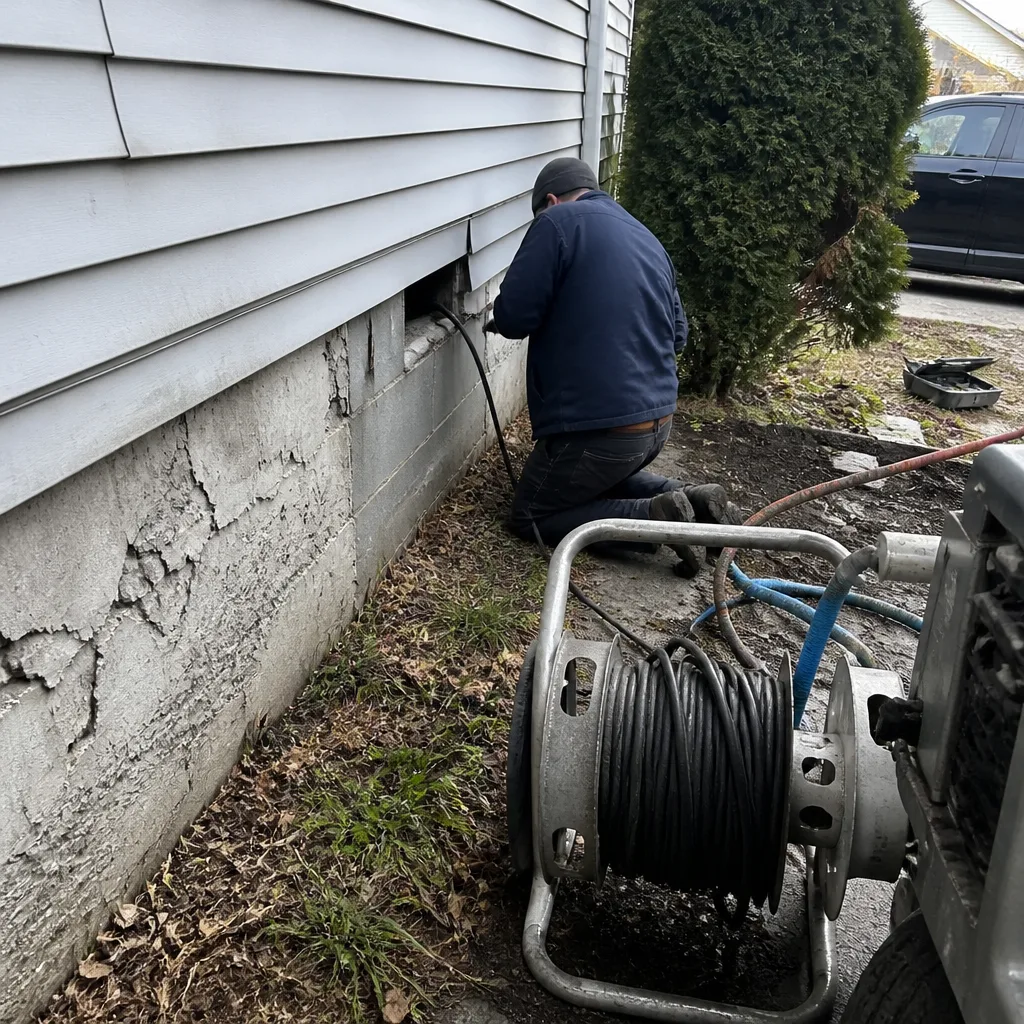 Before
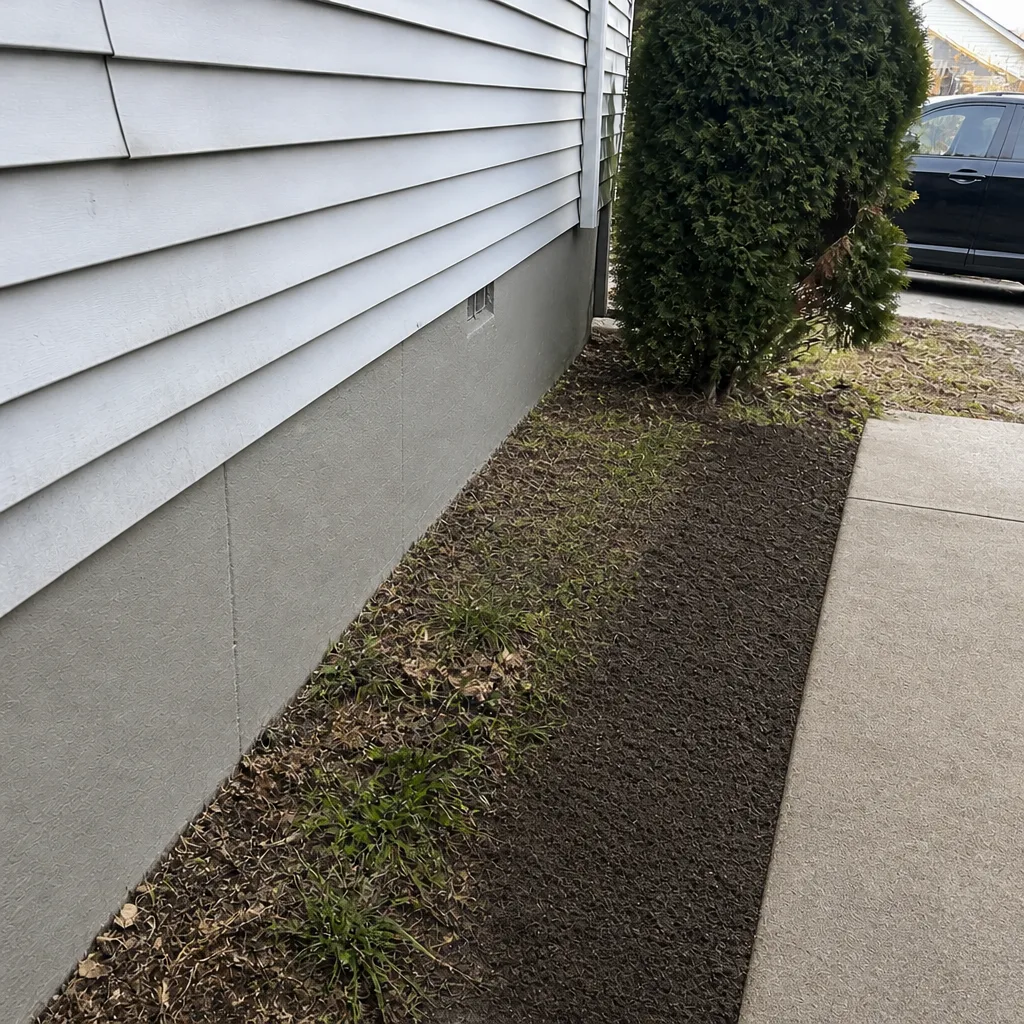 After
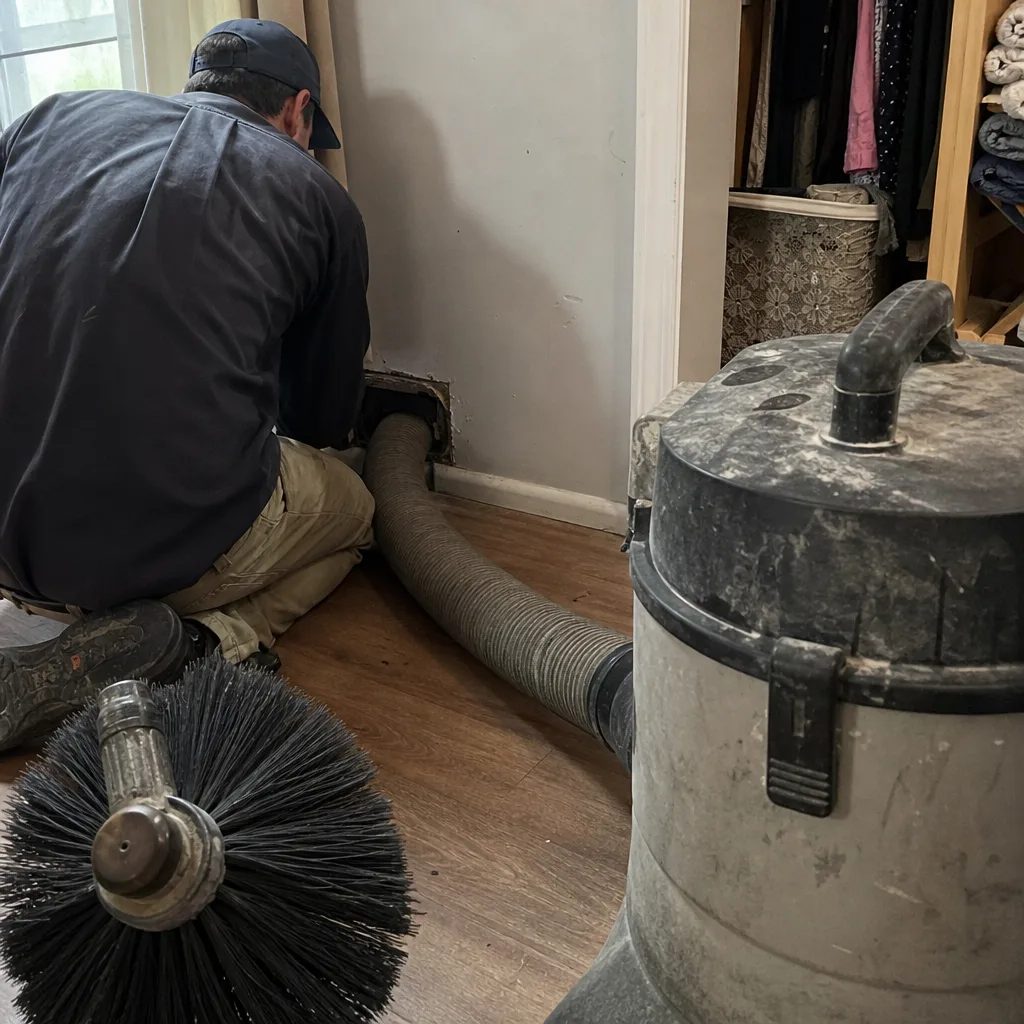 Before
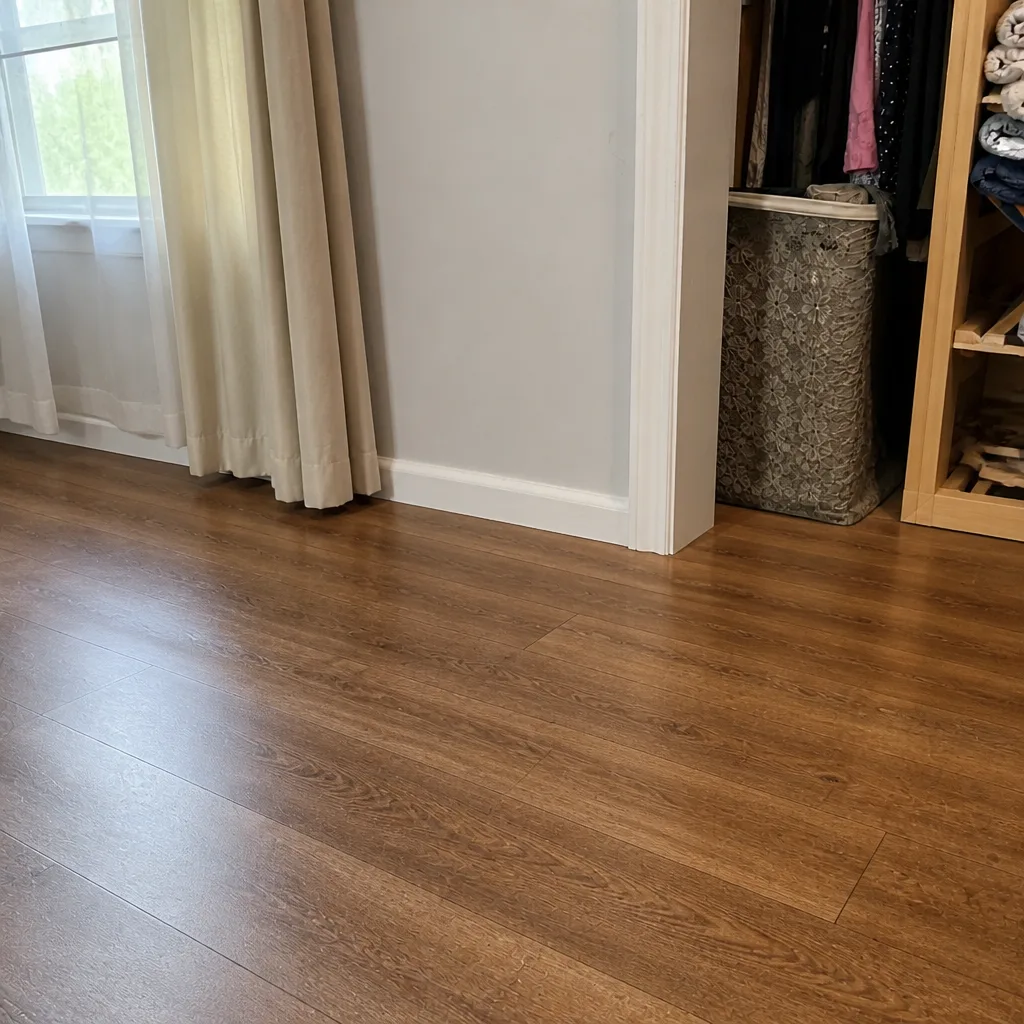 After
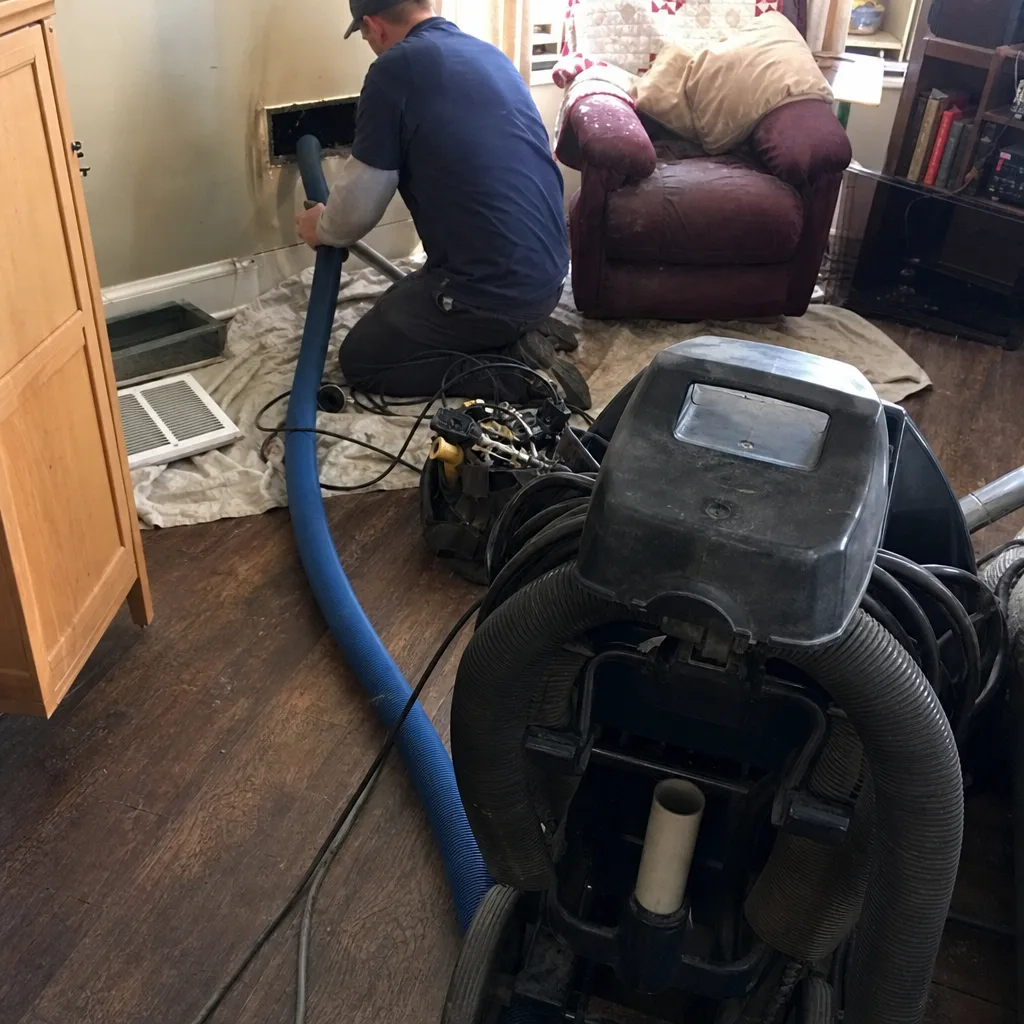 Before
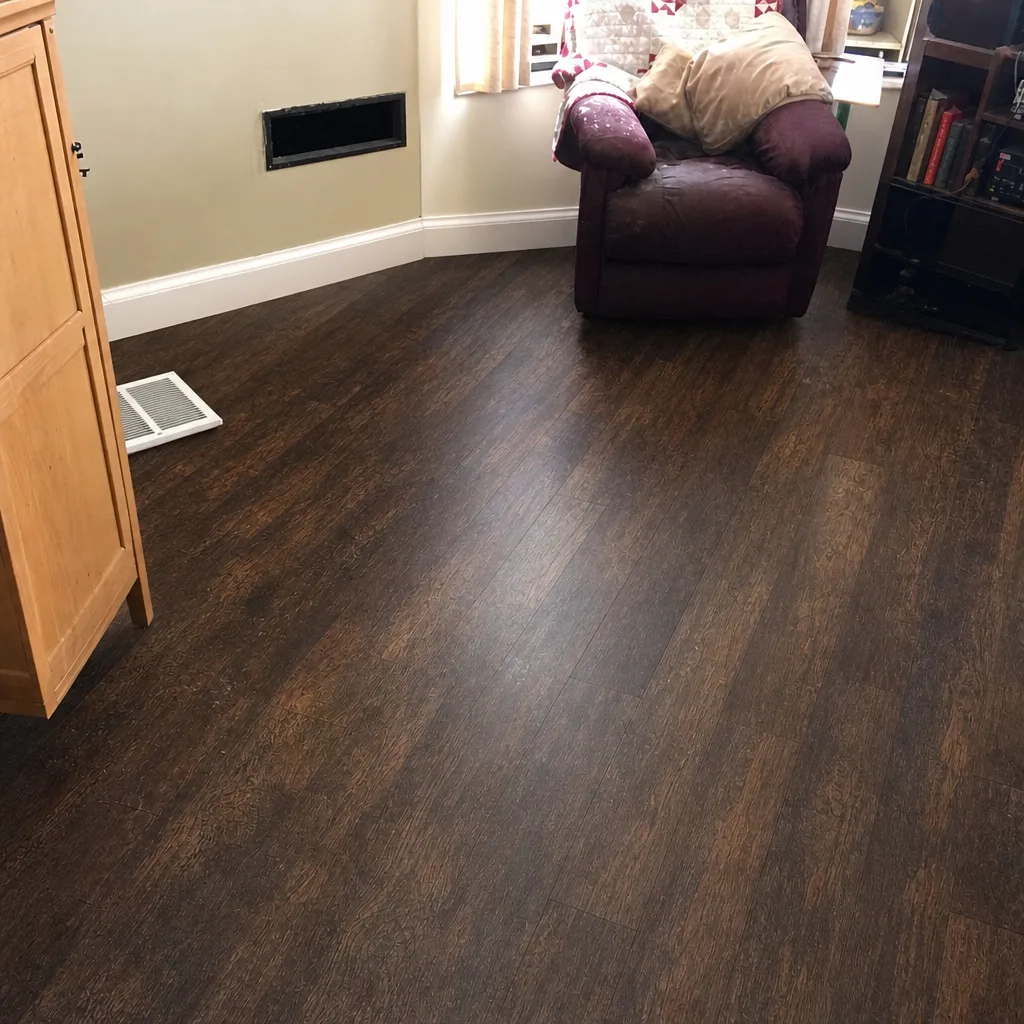 After
When to Call a Professional
Not every duct system needs a call. A system that’s never been cleaned, has visible dust blowing from supply registers, or hasn’t been touched in years is a routine call. So is a system that’s been through a renovation, a water event, or a pest intrusion. A dryer vent that’s slow to dry clothes or feels hot at the outside vent is another reason to call, and that one belongs to dryer vent cleaning. A crushed duct, a disconnected branch, or a plenum that’s come loose is a repair call, and if it might require a permit, ask the permit question before the work starts. Duct Cleaning Syracuse offers free estimates in Syracuse. Call (855) 819-5569. We answer 24/7. Fast dispatch from 7am to 7pm, Sunday through Friday.
Frequently Asked Questions
Routine air duct cleaning itself does not require a permit in Syracuse or anywhere else in New York. The permit question arrives when the cleaning turns up a repair, because duct replacement, plenum modification, and reconnecting a trunk line fall under mechanical code. Cleaning alone doesn’t alter the duct system, and the code follows the alteration. Call (855) 819-5569 for an exact quote. Estimates are free.
Section 603 of the New York State Mechanical Code addresses duct construction, including materials, connections, sealing, and support for duct systems. Section 604 addresses duct insulation. Both matter because any work that changes the duct system is expected to keep it compliant with those standards. If a repair leaves a duct run unsealed, unsupported, or uninsulated, the work is not compliant, whether or not a permit was pulled.
The permit should be pulled by the licensed mechanical contractor performing the repair, and the permit record should name the property. If the cleaning company also performs mechanical repair, that company should be able to explain who holds the license and how the permit is handled. If the cleaning company only cleans, it should stop at the finding and refer the mechanical work. Ask before the work begins. Call (855) 819-5569 for an exact quote.
Mold in ductwork is handled as a remediation issue under New York State Department of Labor mold guidance, not as a permit issue in the same way a mechanical repair is. What matters is documentation: an assessment, a description of containment, a record of what was removed, and verification steps. Ask any company offering to remove mold in ducts for that record before the work begins. The documentation is the protection.
Cheap quotes are usually a teaser price for a minimal visit, not a flat price for the whole system. What’s often missing is the equipment that makes a real cleaning work: a rotary brush system like the Rotobrush, HEPA-rated extraction like the Nikro equipment we use, and a written scope with before-and-after photos of your own ducts. You’re not paying for a coupon. You’re paying for what the coupon leaves out.
You get it in writing. A written scope before work starts, a flat price per system agreed in advance, before-and-after photographs of your own ductwork, and, when a repair requires one, a permit record with the property named. That combination covers both the cleaning side and the mechanical side. If a company can’t produce it, that’s your answer. Call (855) 819-5569 for an exact quote.
The Bottom Line
Cleaning doesn’t require a permit. Repair sometimes does. The line between them runs through New York State Mechanical Code Sections 603 and 604, and it’s the line a homeowner needs to see before a crew arrives. Routine cleaning is maintenance. Duct replacement, plenum modification, and reconnecting a trunk line are mechanical work, and mechanical work that breaks code becomes a record gap that the homeowner owns at resale. Three questions protect you: what’s the written scope, who pulls the permit, and what’s the flat price per system. Ask all three, get all three in writing. To arrange a cleaning or a repair assessment across Syracuse and Onondaga County, call (855) 819-5569 for a free estimate. We answer 24/7. Fast dispatch from 7am to 7pm, Sunday through Friday, closed Saturday.
Written by the team at Duct Cleaning Syracuse.