
Last updated November 15, 2026
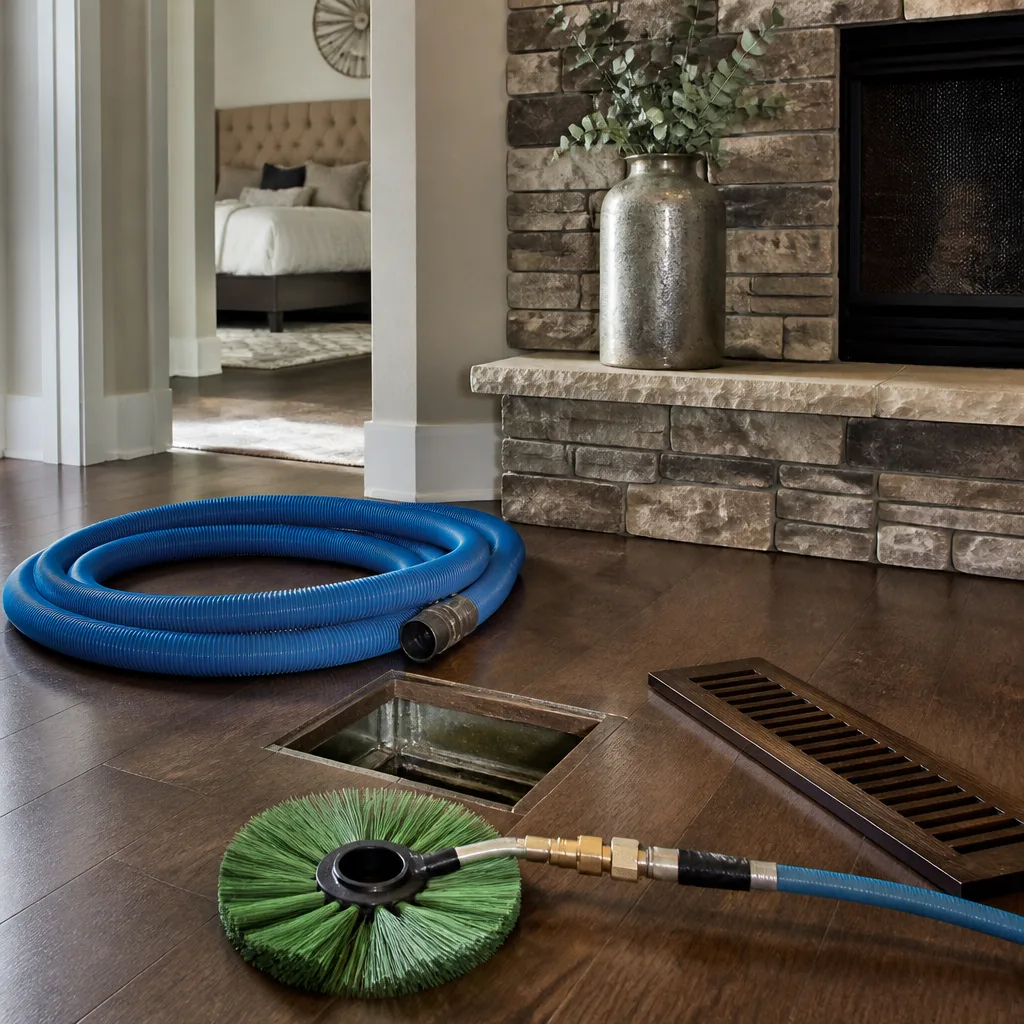 Whole-home duct cleaning
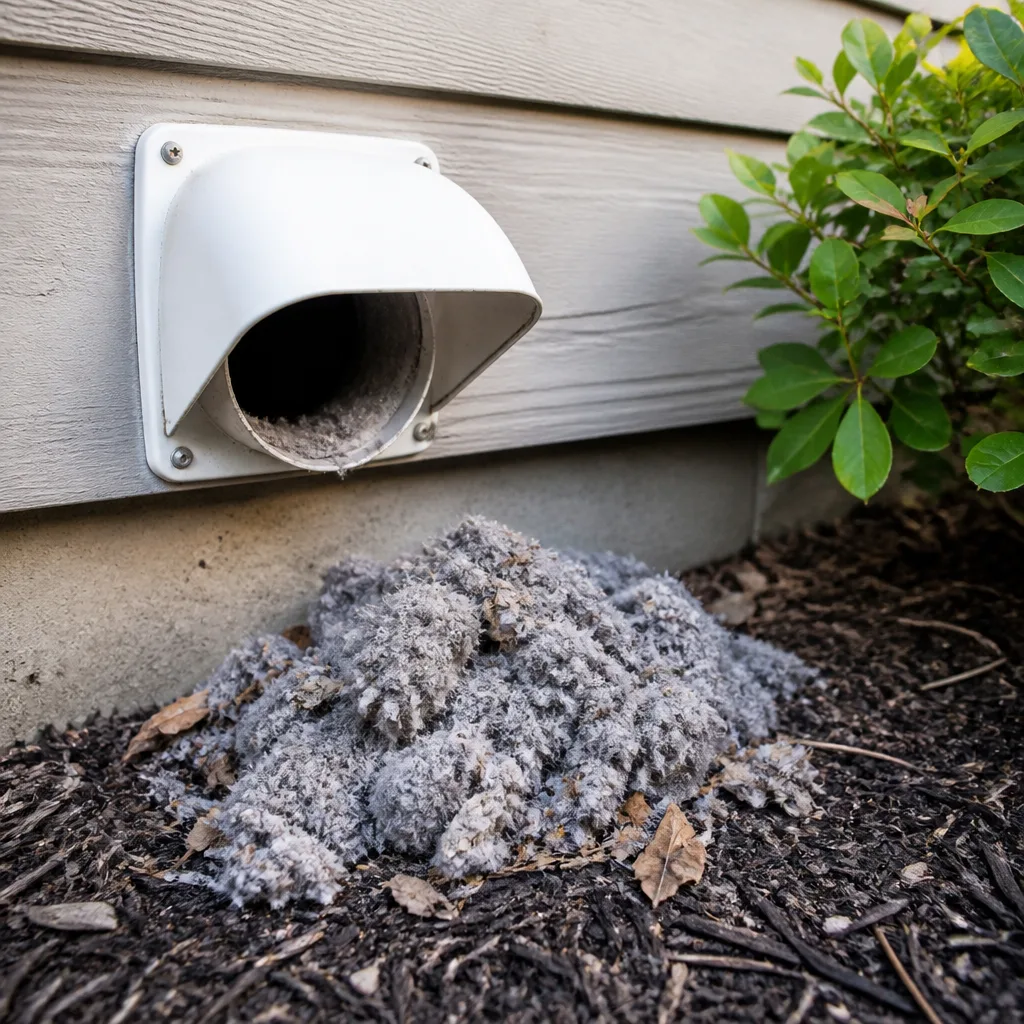 Dryer vent cleaning
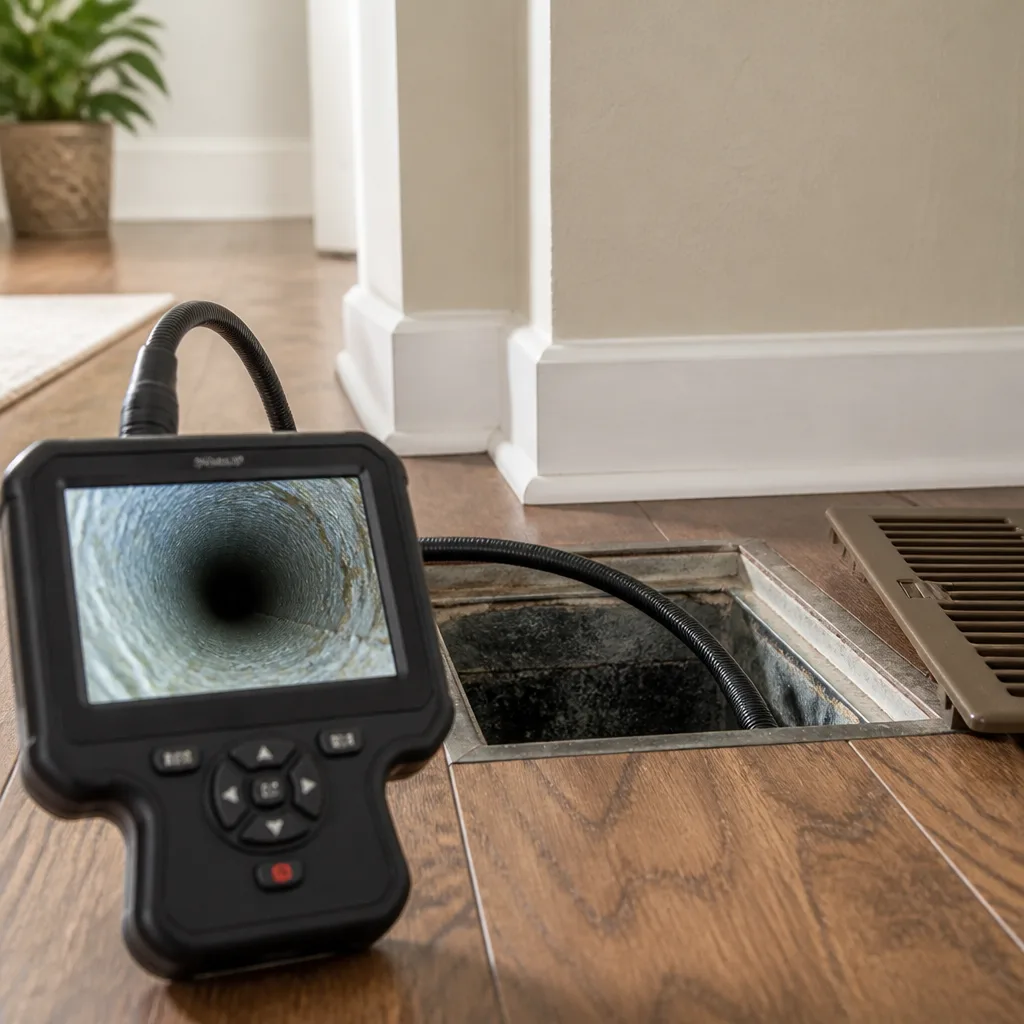 Camera inspection
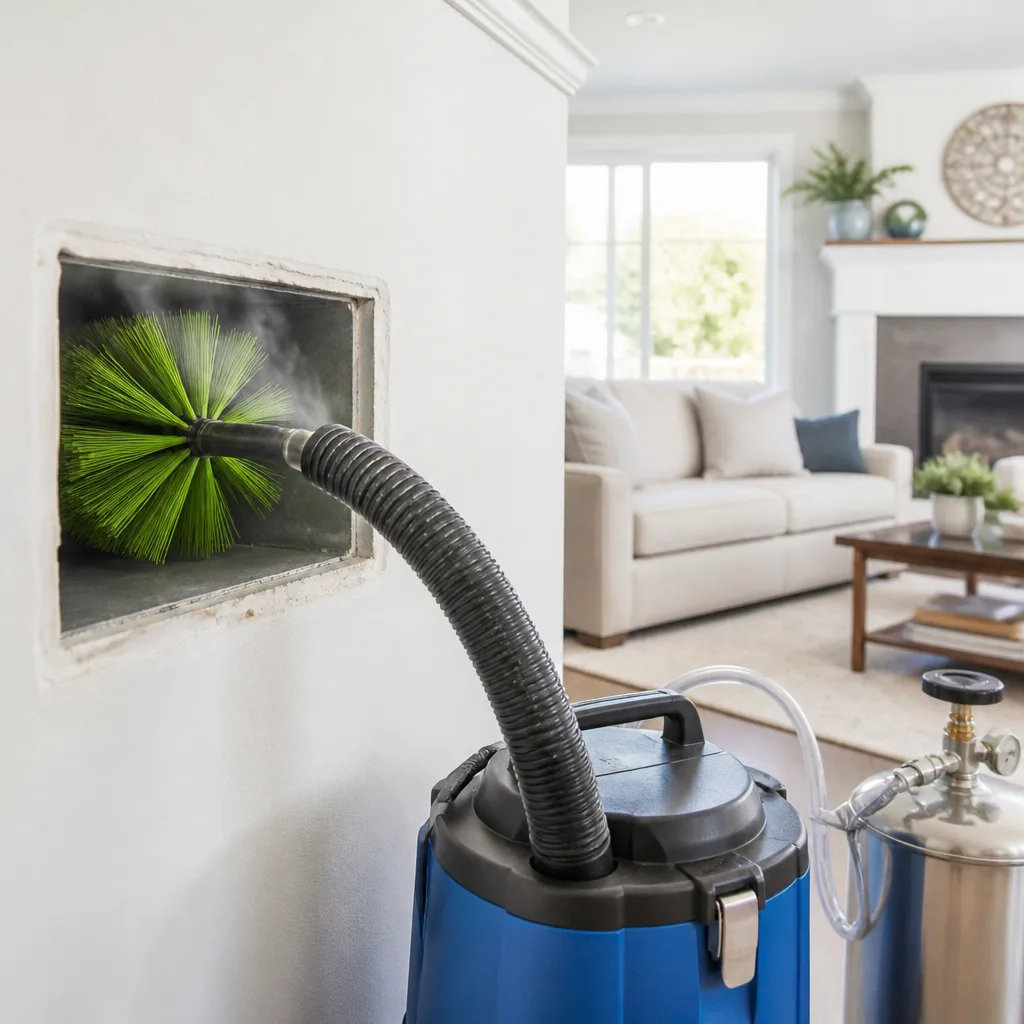 Sanitizing & deodorizing
Whole-system duct and dryer vent check with before-and-after photos - you see exactly what came out of your vents
That "$99 whole-house special" is a bait ad - the real number appears once they are in your hallway, or the "clean" is a shop-vac at the register. We photograph the inside of your ducts before and after instead.
Air Duct Cleaning Warning Signs: A Syracuse Homeowner’s Reference Guide
Dust on a supply register doesn’t automatically mean your ducts are dirty. It usually means air is moving, and a faint ring of dust around the edges of a register often signals the air velocity is high enough to deposit particles there, which is a sign the duct behind it is relatively clear. Read that evidence wrong and you either pay for a cleaning you didn’t need or ignore a real problem while it gets worse. We’re going to walk you through what each symptom actually means at the mechanical level, so you can tell cosmetic debris from a genuine air quality or duct integrity issue. This guide is written for Syracuse homes, where forced-air heat runs hard through long winters and the ducts get a real workout.
Quick Answer
The real warning signs of a duct problem in Syracuse are debris visible inside the duct throat (not just on the register face), musty odors at system startup, rooms that stay cold or hot regardless of thermostat settings, visible mold growth near a register, and rattling or whistling that suggests disconnected or undersized ductwork. Surface dust is usually cosmetic and filter-related. Anything you can see inside the duct opening, smell, or hear is worth a professional look.
Key Takeaways:
- Debris on the register face = air movement. Debris inside the duct throat = a cleaning candidate.
- Musty startup smells usually come from three sources: evaporator coil, duct interior, or standing moisture. A technician identifies the source before recommending a fix.
- Uneven room temperatures are almost never a thermostat issue; they point to duct leakage or blockage.
- Visible mold at a register is rarely the whole problem, because the visible spot is where conditions allowed growth, not necessarily where it started.
- Collapsed flex duct, disconnected trunks, and undersized returns can’t be fixed by cleaning, and cleaning first can make them harder to diagnose.
Styles & brands we work with
- Whole-home duct cleaning
- Dryer vent cleaning
- Camera inspection
- Sanitizing & deodorizing
Table of Contents
- Quick Answer
- Surface Debris vs. Systemic Debris: The Register Test
- What Musty Odors at Startup Actually Mean
- Uneven Room Temperatures: Duct Leakage or Blockage?
- What Visible Mold Growth at a Register Really Tells You
- The Signs Cleaning Alone Won’t Fix
- How Professional Duct Cleaning Actually Works
- When to Call a Professional
- Frequently Asked Questions
Surface Debris vs. Systemic Debris: The Register Test
Here’s the single most useful distinction in this whole guide. Dust and debris on the register face is a surface condition. Debris you can see inside the duct throat, past the register grille and into the actual duct, is a systemic condition. Those two things call for different responses, and confusing them is where most homeowners get talked into the wrong service.
The register face collects dust because supply air is turbulent right at the grille. That turbulence deposits particles on the grille bars and the surrounding wall. It looks alarming. It’s often just a filter that’s overdue for a change, or a filter that’s too restrictive and forcing air through at higher velocity than it should. Start there. Pull the filter, check it against the manufacturer’s recommendation, and swap it. If dust keeps returning on the register face, then the next question is what’s happening behind it.
The register throat is where you learn the truth. Shine a light past the grille into the duct. If you can see a smooth interior with maybe a light haze, that’s normal and often fine. If you see clumps, matted debris, a visible coating that looks furred or fuzzy, or material actually clinging to the walls of the duct, that’s systemic. That’s the kind of debris that recirculates with every heating cycle in a Syracuse winter, when the system runs continuously for months.
What to check, in order:
- Look at the register face. Note whether dust is a faint ring or a thick buildup.
- Pull the filter and hold it up to the light. If it’s grey and matted, that’s your register dust.
- Shine a flashlight into the duct throat past the register. Look for coating, clumps, or visible debris.
- Repeat on three or four registers around the house, ideally on different branches of the system.
- Note the difference. If only one branch looks bad, the issue is likely localized. If every branch looks bad, it’s a systemic cleaning question.
This distinction matters because it’s exactly the difference between a cosmetic wipe-down and a real air duct cleaning job. If your throat is clean, you don’t need us. If it isn’t, the register face won’t tell you the depth of the problem, but the throat will.
What Musty Odors at Startup Actually Mean
A musty smell that hits when the furnace or air handler kicks on is the most misread symptom in the book. People assume it means the ducts are dirty. Sometimes it does. Often it doesn’t. The smell comes from one of three places, and they need three different fixes, so identifying the source before recommending a solution matters more than a cleaning ticket.
Source one: the evaporator coil. If your home has central air conditioning, or a heat pump, the evaporator coil sits in the air handler and stays wet through the cooling season. Dust that lands on a wet coil becomes a food source for biological growth. That smell travels through the ducts on every cycle, but the coil, not the ducts, is the origin. Cleaning the ducts without addressing the coil doesn’t solve the smell.
Source two: the duct interior itself. Ductwork that’s been damp at some point, whether from a humid summer, a condensation issue in an unconditioned space, or a previous moisture event, can harbor growth on the duct walls. This is systemic and is what a professional duct cleaning with proper HEPA extraction is designed to address. This is where the equipment matters. A shop vac in the hands of a coupon crew redistributes more than it removes. A Nikro HEPA-rated vacuum captures dislodged particulates at the source.
Source three: standing moisture somewhere in the system. A drip pan that isn’t draining, a humidifier malfunction, or a condensate line backing up can leave water sitting in the system. Everything upstream of that moisture gets the smell. Fixing the smell without fixing the water is a lost cause.
How a technician separates the three:
- Ask when the smell is worst. Startup after a long-off cycle points more to the coil than the ducts.
- Inspect the coil, drip pan, and condensate line first. If they’re dry and clean, the ducts become the suspect.
- Look at the duct interior where it’s accessible. Visible growth or coating confirms source two.
- Check the return duct for moisture or pooled water that shouldn’t be there.
- Recommend only what the evidence supports, and say so plainly.
We’ve seen plenty of Syracuse homes where a “musty duct” turn out to be a coil issue that a duct cleaning alone would have missed. That’s why our process starts with inspection, not with a wand.
Uneven Room Temperatures: Duct Leakage or Blockage?
If the upstairs bedroom is always three or four degrees colder than the living room, and the thermostat isn’t the problem, the thermostat is almost never the problem. Uneven temperatures across a house point to one of two duct issues: leakage or blockage. They feel similar. They diagnose differently. Here’s how to tell them apart before anyone steps onto your property.
Leakage means conditioned air is escaping from the duct system before it reaches the register. In a Syracuse home with ductwork running through an unconditioned attic or crawlspace, winter heat can leak into space that’s thirty degrees colder than the living area. The system works harder, the room stays cool, the energy bill climbs, and nothing obvious is broken. The telltale sign of leakage is usually a room that never quite reaches temperature even though air is definitely flowing from the register.
Blockage means air isn’t reaching the register at all, or is reaching it weakly. Disconnected flex duct, a collapsed section, or debris dammed inside the trunk will starve a register. The telltale sign of blockage is a register that feels dead or weak to the back of the hand, or one that whistles or hisses because air is being forced through too narrow an opening.
A quick homeowner diagnostic, before calling anyone:
- Close every other register in the house and test the suspect room’s register with your hand. If airflow improves dramatically, you have a distribution problem, likely undersized returns or a blockage upstream.
- Open everything back up and test again. Weak flow at one register with normal flow everywhere else points to a branch-specific blockage.
- Listen for whistling. Whistling at a register often means a too-small return feeding a too-large supply, a sizing problem rather than dirt.
- Feel for temperature drop along the run. If air leaves the air handler warm but arrives cool at the register, leakage in an unconditioned run is a strong candidate.
- Compare first floor and second floor. Second-floor bedrooms lagging consistently in winter points to either leakage in the attic run or undersized trunk serving the upper floor.
This is where a cleaning-only company runs out of answers. A duct repair specialist can find the leak or the collapse, fix it, and then clean the system once airflow is restored. That order matters. Cleaning a system that has failed ductwork first means you’re cleaning around the problem, and the problem will keep producing debris.
What Visible Mold Growth at a Register Really Tells You
Visible mold at a supply register is a serious finding, and it’s also frequently misunderstood. The spot you can see is rarely the whole problem. It’s the place where conditions happened to favor growth and where you happened to be able to see it. The actual origin is upstream or around moisture that shouldn’t be there.
Where it usually starts:
- Evaporator coil and drain pan. Wet surfaces in the air handler are the most common origin. Growth established there travels through the ducts as airborne spores that settle downstream.
- Duct interior in a humid or unconditioned space. Ductwork in a warm attic during Syracuse’s humid summers, or ductwork that has taken on water from a roof leak or condensation, becomes a growth surface.
- Register grilles in bathrooms and kitchens. High humidity rooms see growth on the grille first, then in the branch duct feeding it, because the environment supports it and the airflow carries spores there.
Why the visible spot is rarely the whole problem: mold doesn’t grow where the environment is wrong for it. If the register face is showing growth, the environment around that register is favorable. That usually means moisture is present somewhere it shouldn’t be, and the same moisture condition is supporting growth in the duct upstream of the register or on the system component feeding it. Cleaning the visible spot without identifying the moisture source will produce a repeat and a frustrated homeowner.
What remediation realistically involves, within our scope: proper HEPA-rated extraction using equipment rated for the job (Abatement Technologies equipment is built for containment and IAQ scenarios beyond routine cleaning), mechanical agitation of the duct walls with a rotary brush system like Rotobrush, and honest reporting on what we found. What it does not involve from us: any claim to be a mold remediation contractor. If the source is a wet coil, a leaking drain pan, or a roof leak, that’s outside our three services and you’ll need a different professional for that part. Duct cleaning can remove what’s inside the ducts; it can’t fix the moisture that fed it.
If you see mold at a register and can’t find the moisture source, that alone is a reason to call a professional. Our duct cleaning in Syracuse work includes a real inspection, and we’ll tell you plainly if the answer runs past our scope.
The Signs Cleaning Alone Won’t Fix
Some duct problems are mechanical failures, not debris. Cleaning first, without addressing them, is a waste of the homeowner’s money and a diagnostic headache. Here’s what we check for before we recommend a cleaning job, because cleaning a broken system makes the broken part harder to find afterward.
Collapsed flex duct. Flex duct is common in Syracuse homes, especially in attics and crawlspaces where it was the cheapest way to reach a distant register. Over time it sags, kinks, or collapses under its own weight, or gets crushed by someone stepping through the attic. A collapsed run is dead. It cannot be cleaned back to working order, only replaced or rerouted.
Disconnected trunk lines. Trunk lines running between floors, or through unconditioned spaces, can separate from fittings. When a trunk disconnects, it dumps conditioned air into the attic or crawlspace, and the downstream registers lose most of their flow. Cleaning the branch pulls debris through a duct that isn’t actually delivering air to the room. The disconnect has to be found and repaired first.
Undersized returns. A system with undersized return ducts pulls hard, whistles at registers, and creates high velocity that stirs up debris and deposits it on register faces. Cleaning doesn’t fix sizing. It just gives you a clean undersized system.
What to watch for that signals a structural problem rather than a cleaning problem:
- Falling debris, insulation fibers, or chunks of material appearing on register faces or the floor near a register.
- Whistling or roaring at one or more registers, louder than any other.
- Airflow from a register that drops off dramatically when other registers are open.
- Visible kinks, crushes, or separations in flex duct if you can access the attic or crawlspace safely.
- Debris reappearing on a freshly cleaned system within a short period.
We’re one of the few companies in the duct-focused space that also does structural repair rather than cleaning around the problem. If your system turns out to have a collapsed run, a disconnected trunk, or an undersized return, we can fix it. Our air duct cleaning work is done on systems that pass the inspection, and our repair capability handles the ones that don’t.
How Professional Duct Cleaning Actually Works
Most homeowners have never seen real duct cleaning, so they don’t know what to expect or what separates a professional job from a coupon-crew blow-and-go. Here’s the process, and here’s why the equipment makes the difference.
- Inspection first. A technician inspects the accessible ductwork, the air handler, and the registers before deciding what’s actually needed. Photos of the interior are standard.
- Containment and negative pressure. The system is put under negative pressure with a HEPA-rated vacuum so dislodged debris is captured rather than pushed into the living space. Nikro HEPA-rated extraction is standard equipment for serious residential jobs, and Abatement Technologies equipment covers higher-level IAQ and containment scenarios.
- Mechanical agitation. Vacuum alone doesn’t break debris loose from duct walls. A rotary brush system like Rotobrush runs through the duct, scrubbing the interior. Without mechanical agitation you’re leaving the coating behind.
- Register and grille cleaning. Register grilles, boots, and return covers are addressed separately from the duct runs. Surface debris here is often the visible symptom the homeowner noticed first.
- Air handler and accessible component care. What can be reached in the air handler is cleaned, and for homes with whole-home air quality systems (Honeywell and Aprilaire, for instance), the duct work is addressed as part of the broader system rather than in isolation.
- Verification and photos. Before-and-after photos of the homeowner’s own ducts are the proof. If a company won’t show you the before and after, that’s a conversation-ending ask.
The single flat price per system, agreed before any work starts, is the answer to the industry’s bait-and-switch reputation. No per-vent pricing. No coupon figure that becomes a much larger invoice once the technician is in the house. The written estimate sets the final price. We work with Rotobrush, Nikro, Abatement Technologies, Honeywell, and Aprilaire equipment standards, and we do Syracuse-area work with the same inspection-first process regardless of the size of the job.
Common Mistakes to Avoid
- Treating register dust as proof of dirty ducts. As covered above, dust on the face is a filter and velocity symptom. Check the filter and the duct throat before calling anyone.
- Booking the cheapest coupon without knowing what’s included. A low headline price that becomes a much larger invoice once the technician is on site is the standard industry playbook. Ask for the flat per-system price in writing, before the visit.
- Cleaning before diagnosing structural duct issues. If a run is collapsed or disconnected, cleaning it makes the problem harder to find afterward. Inspection first, cleaning second.
- Assuming a musty smell means the ducts are dirty. It’s often the coil or a moisture problem that a cleaning won’t solve. Source-identification before recommendation is what separates a real diagnosis from a sales pitch.
- Skipping the filter. Syracuse winters run the system continuously for months. A filter that should have been changed in November and wasn’t is often more of the problem than the ducts are.
- Forgetting the dryer vent as a separate system. Vents clogged with lint are a fire risk, and they’re a completely different cleaning job from air ducts. If the dryer takes two cycles to dry a load, that vent needs attention now, not the ducts.
- Trusting a cleaning without seeing the evidence. Before-and-after photos of your own ducts are how you know the work was actually done. If a company won’t show you, they aren’t showing you for a reason.
When to Call a Professional
Call a professional when you can see debris inside the duct throat past the register, when musty odors appear at system startup and a filter change hasn’t fixed it, or when rooms never reach temperature and a hand test on the register shows weak or no airflow. Call when you see mold growth at any register, or when debris keeps appearing on register faces after a cleaning. Call when the dryer takes two cycles to dry a normal load, because that’s a dryer vent clog and it’s a fire risk. Duct Cleaning Syracuse offers free estimates in Syracuse. Call (855) 819-5569. We answer 24/7. Fast dispatch from 7am to 7pm, Sunday through Friday. The estimate is free, the price is set per job by the written estimate, and the technician experience on our team runs up to 14 years.
Frequently Asked Questions
Most residential whole-system cleanings in the Syracuse market land in a range rather than a single coupon number, and the final price depends on system size, number of runs, and whether repair work is needed. The written estimate sets the final price, and we quote one flat price per system rather than per vent. Call (855) 819-5569 for a free estimate specific to your home.
Low headline quotes usually reflect either a servicing scope that doesn’t match a full system cleaning or a price that grows once the technician is on site. The industry’s bait-and-switch reputation comes from exactly this pattern. We agree a flat per-system price in writing before work starts, and we show before-and-after photos of your own ducts as proof. Call (855) 819-5569 for a written estimate.
Before-and-after photos of your own ducts, taken during the job, plus visible confirmation at the registers. Rotary brush agitation and HEPA-rated extraction produce a visible difference in the duct interior; if the difference isn’t there, the work wasn’t done. Ask for the photos before the technician leaves. Call (855) 819-5569 to book an inspection.
There’s no universal schedule. Homes with pets, recent renovations, or visible debris in the duct throat need it sooner than a clean system in a home with good filtration. In Syracuse, where the system runs hard through winter, an inspection every few years is a reasonable starting point, and inspection is what actually tells you whether cleaning is due. Call (855) 819-5569 for a free estimate.
It can, if the ducts themselves are the source. It can’t if the source is the evaporator coil, a leaking drain pan, or moisture elsewhere in the system, because the cleaning removes what’s inside the ducts, not the moisture feeding the growth. A technician identifies the source before recommending a solution. Call (855) 819-5569 for an inspection.
No, and it’s arguably more urgent. A lint-clogged dryer vent is a genuine fire risk, and it’s a separate service from duct cleaning. If the dryer takes two cycles to dry a load, or the outside vent flap barely moves, book a dryer vent cleaning now. Our dryer vent cleaning is a standalone service and doesn’t require a duct cleaning booking. Call (855) 819-5569 for a free estimate.
The Bottom Line
Reading duct warning signs correctly means understanding the mechanism behind each symptom, not just matching symptoms to services. Register dust is usually air movement and a filter issue. Debris inside the duct throat is a cleaning candidate. Musty startup smells are a source-identification question. Uneven temperatures are duct leakage or blockage, not the thermostat. Visible mold means moisture is somewhere upstream. And collapsed flex duct, disconnected trunks, and undersized returns need repair, not cleaning. If you’re in Syracuse and the evidence points to any of these, get a real inspection before you book a cleaning or a repair. Call (855) 819-5569 for a free estimate. We answer 24/7. Fast dispatch from 7am to 7pm, Sunday through Friday.
Written by the team at Duct Cleaning Syracuse.
See the difference
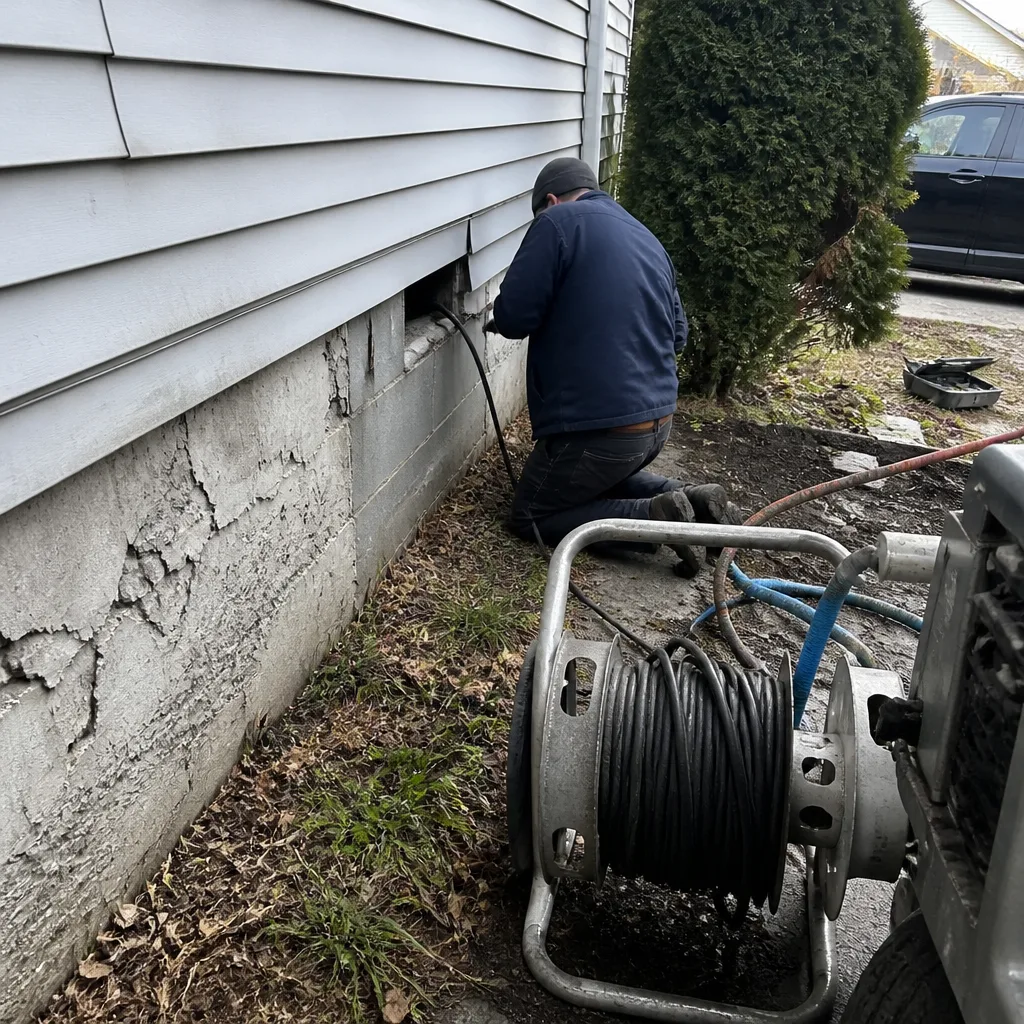 Before
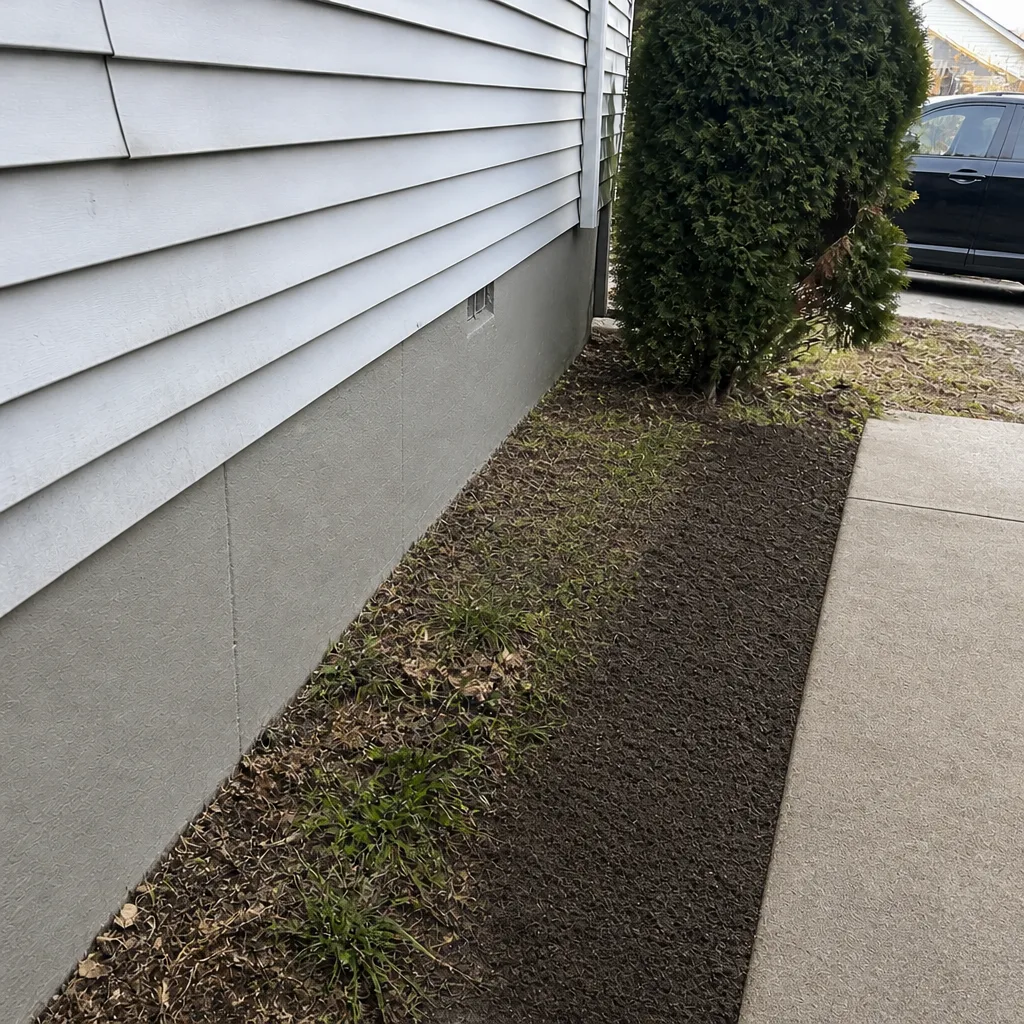 After
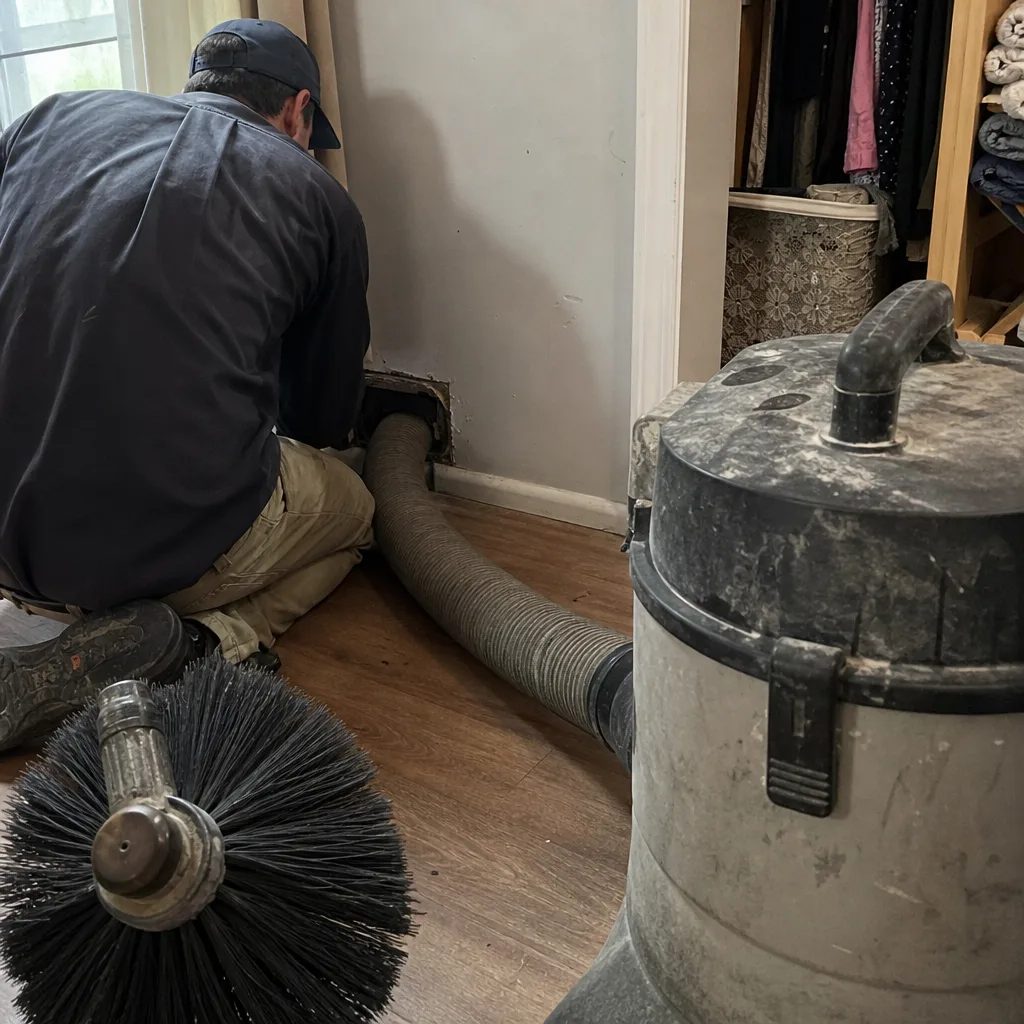 Before
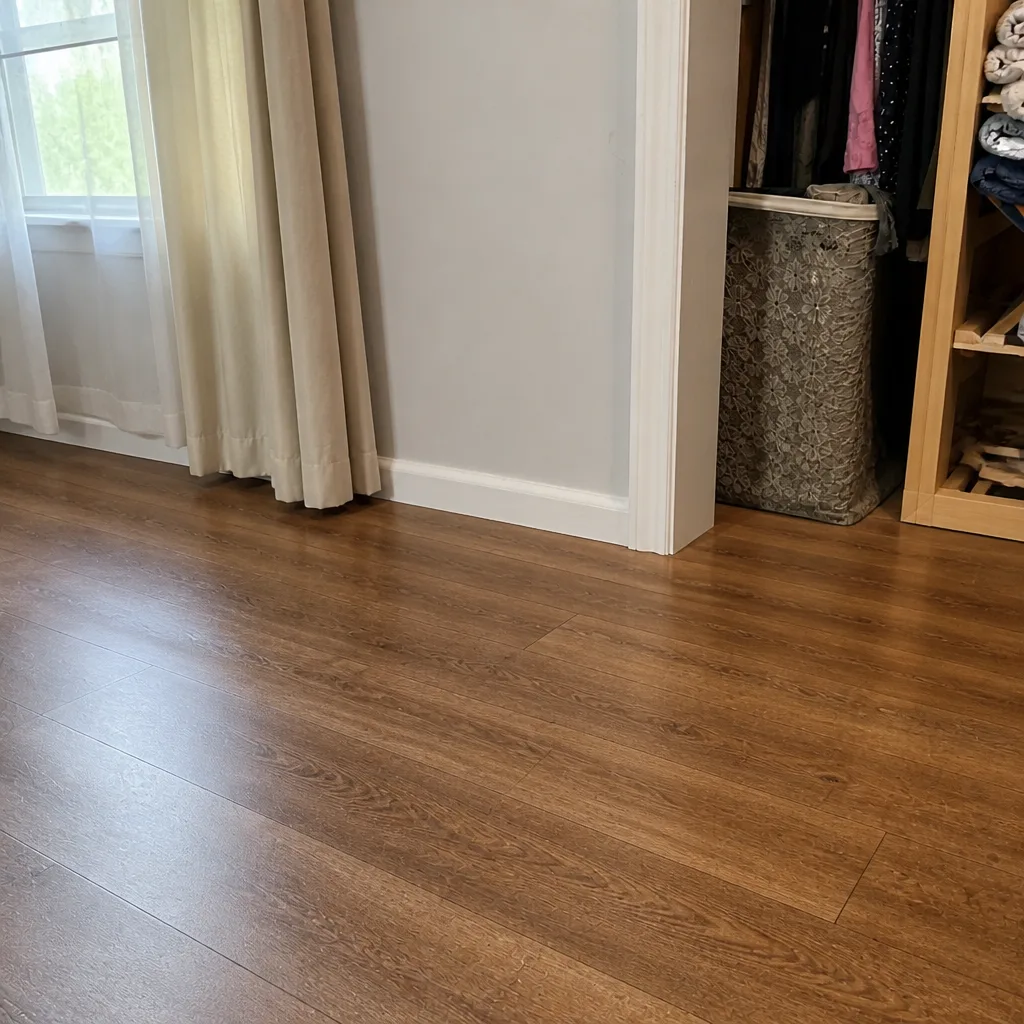 After
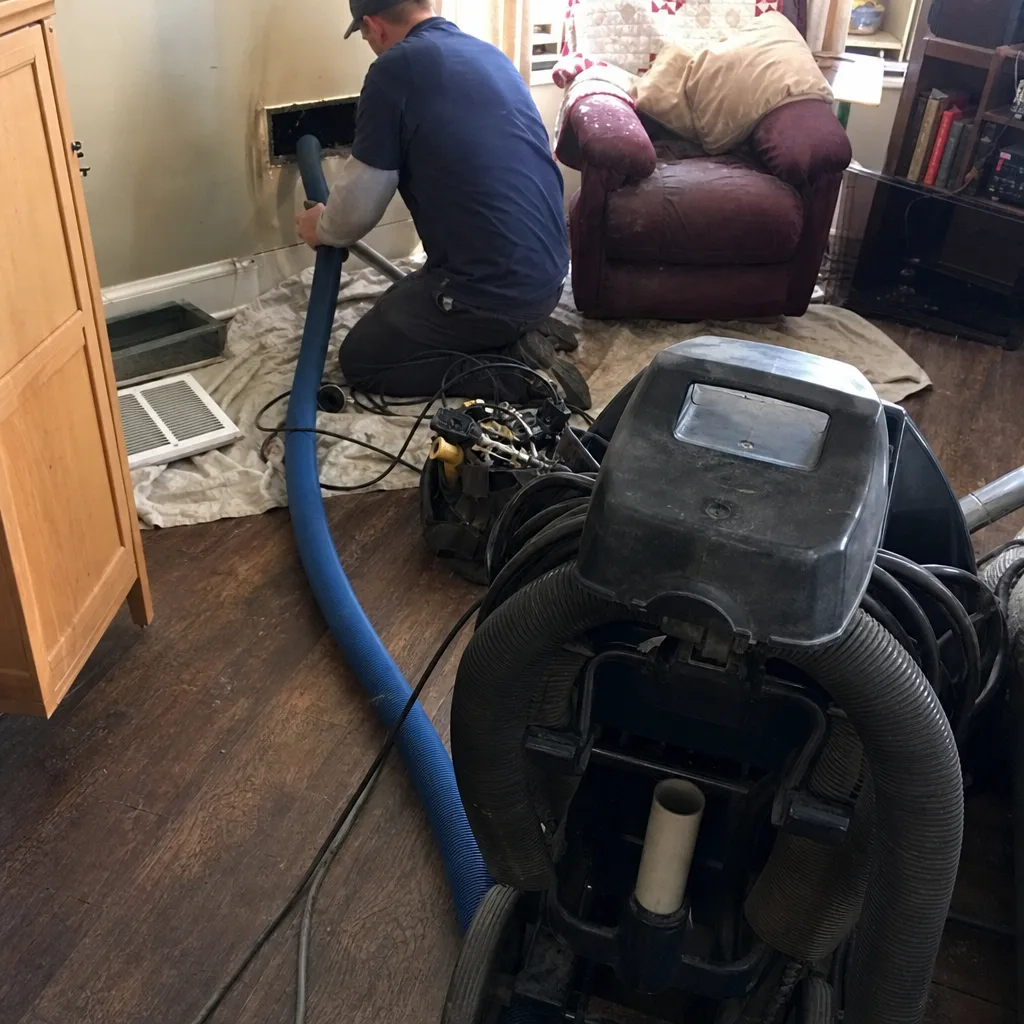 Before
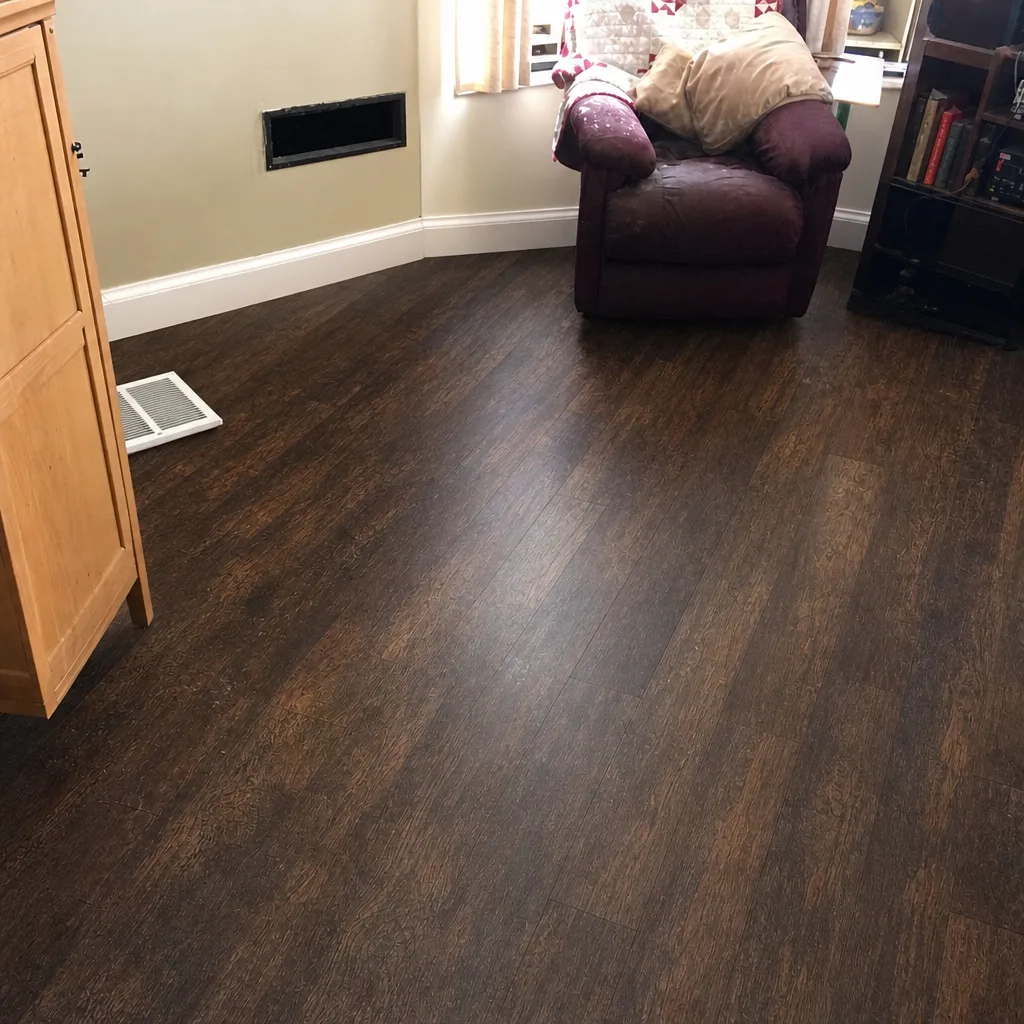 After