
Last updated November 15, 2026
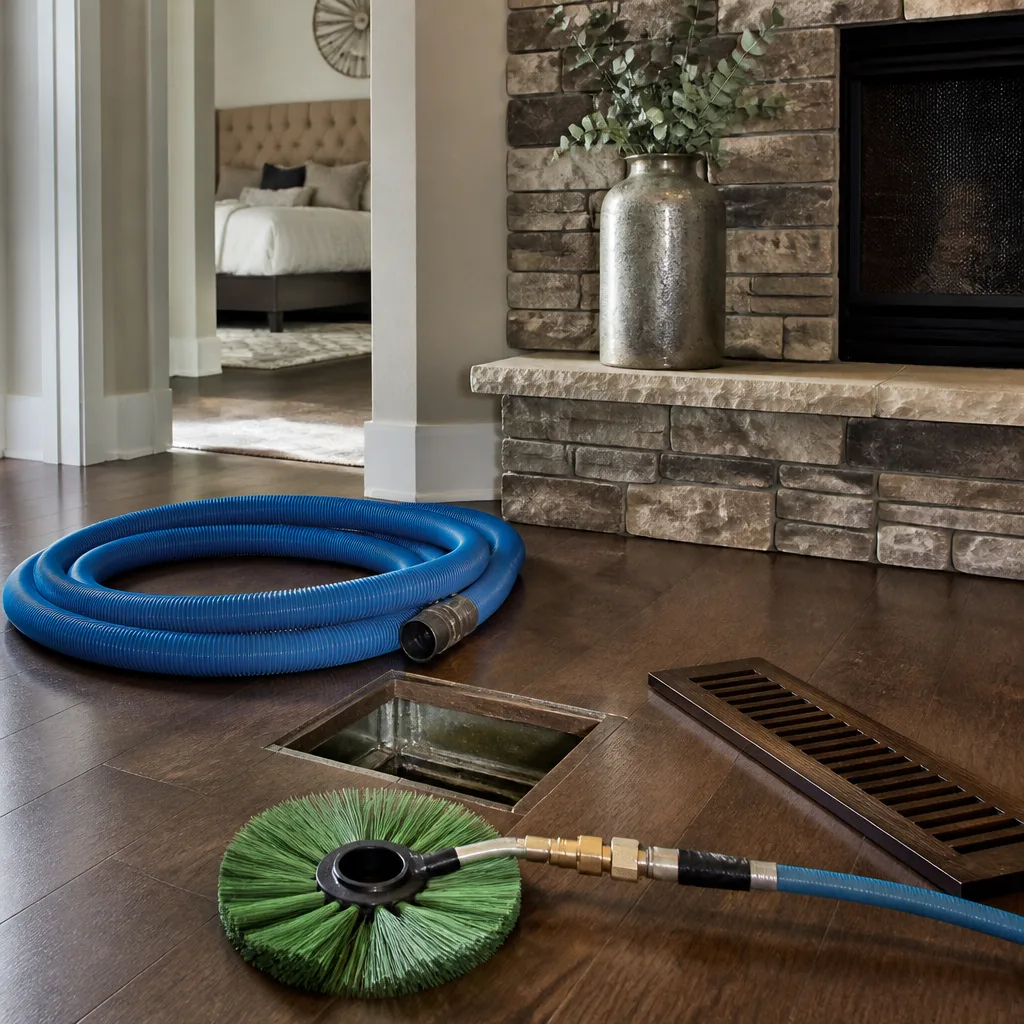 Whole-home duct cleaning
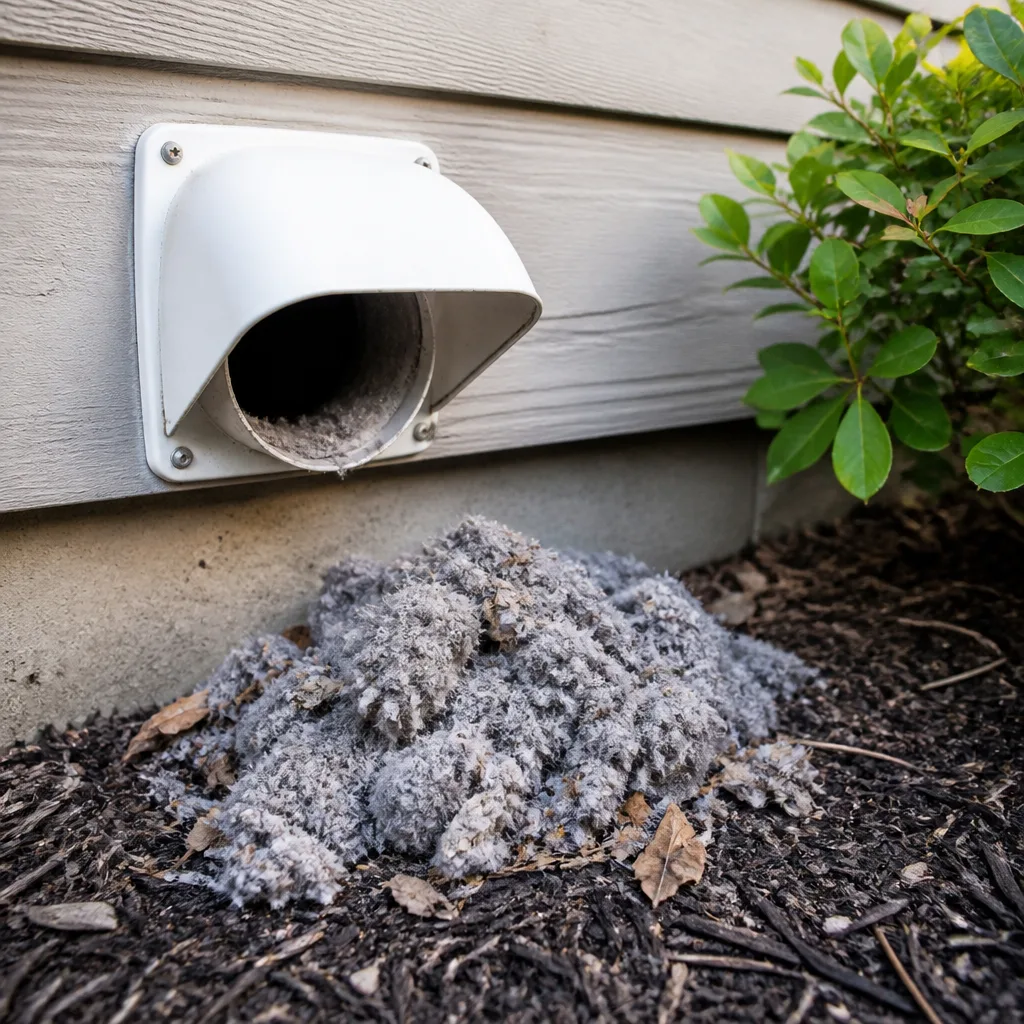 Dryer vent cleaning
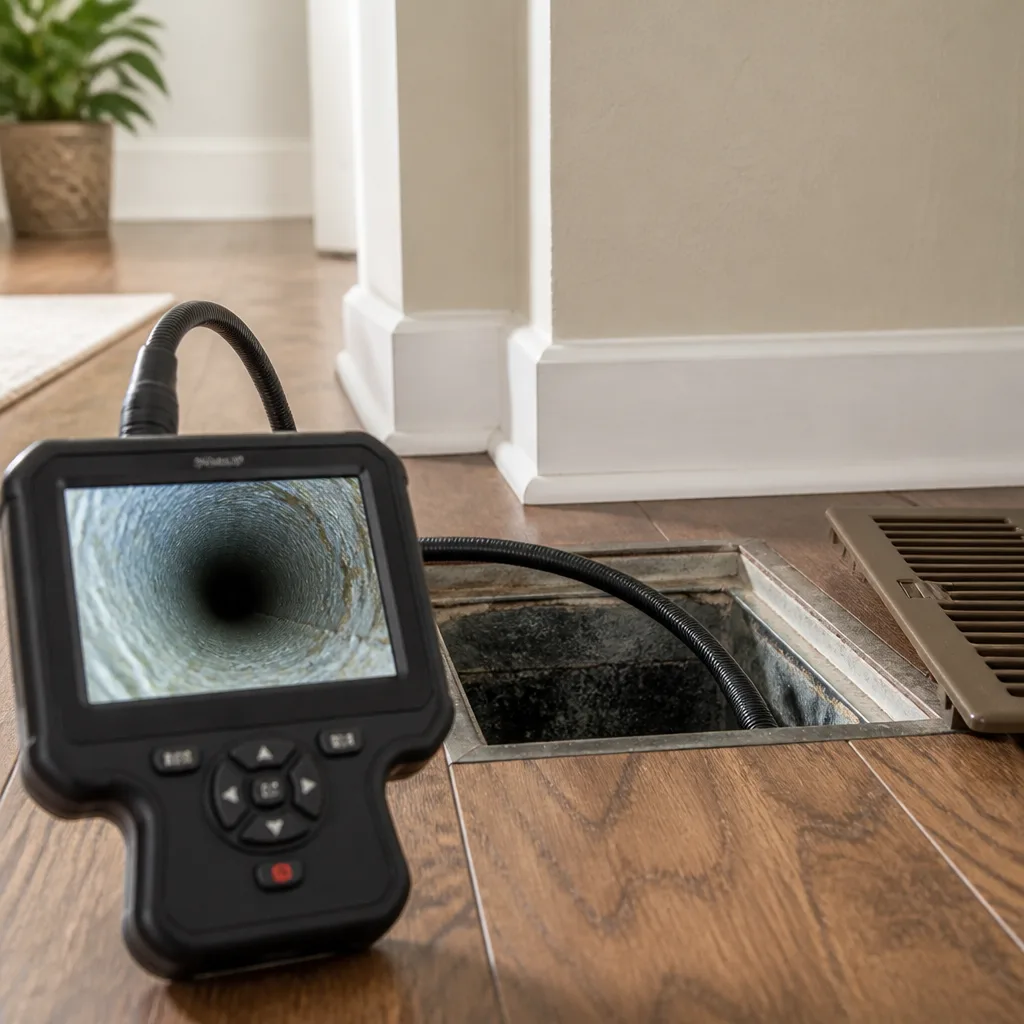 Camera inspection
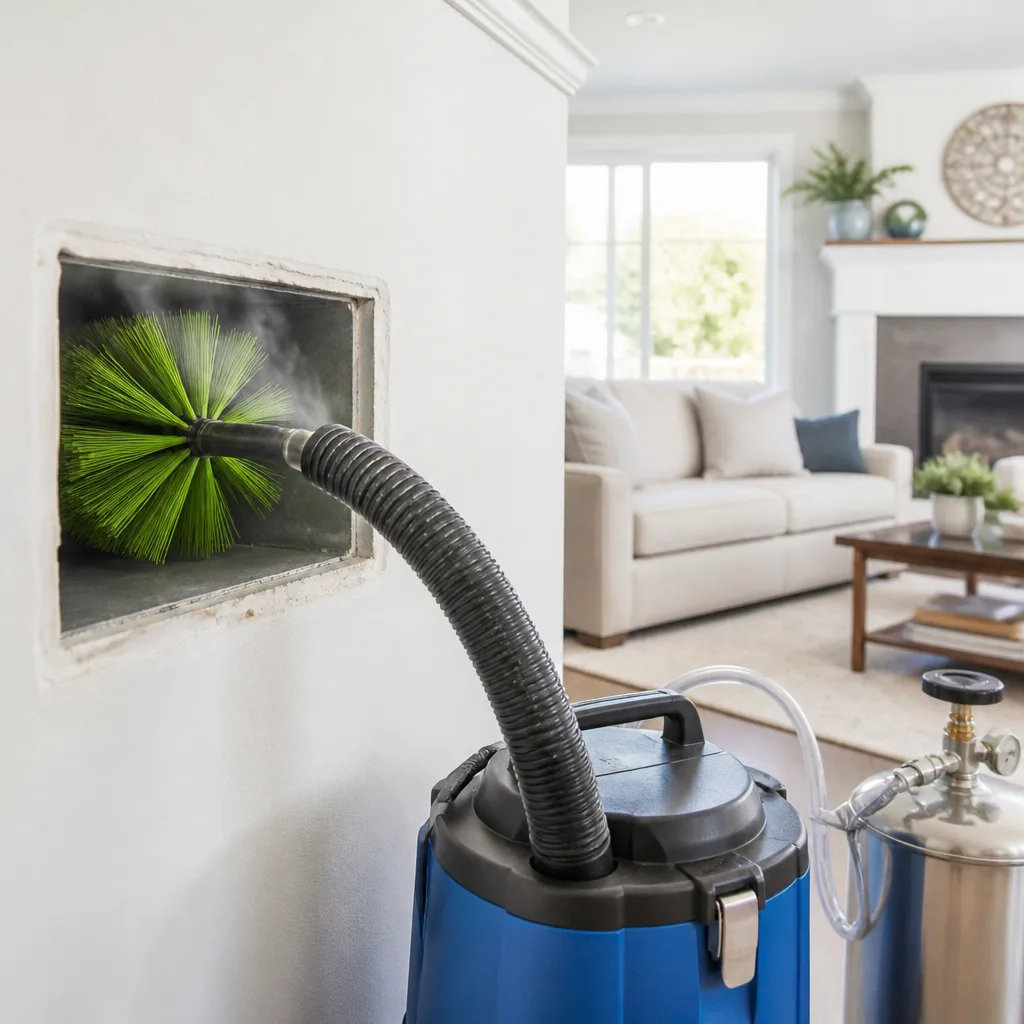 Sanitizing & deodorizing
Whole-system duct and dryer vent check with before-and-after photos - you see exactly what came out of your vents
That "$99 whole-house special" is a bait ad - the real number appears once they are in your hallway, or the "clean" is a shop-vac at the register. We photograph the inside of your ducts before and after instead.
Air Duct Cleaning Troubleshooting in Syracuse: Common Problems and How to Fix Them
If one room in your house is always too cold or too dusty no matter how many times you’ve changed the filter, the duct is the more likely culprit than the furnace. And you can check it yourself in about four minutes with a flashlight and a register cover. Most homeowners in Syracuse assume that a duct problem is a cleaning problem, so they book a cleaning, the technician runs a brush through, and six weeks later the room is cold again. That’s because a surprising share of what gets called “dirty ducts” is actually a mechanical defect inside the system: a collapsed run, a boot pulled loose from the floor, a debris dam in a branch that cleaning reaches but doesn’t break. This guide walks through how to read the symptoms your system is already showing, which problems a brush actually solves, which ones need a repair, and which ones never needed a cleaning company in the first place.
Quick Answer
Most air duct problems in Syracuse come down to one of three things: genuine debris buildup, a mechanical failure in the ductwork (collapsed flex, disconnected boot, crushed run), or a moisture source that keeps feeding the problem. Cleaning fixes the first. Repair fixes the second. The third needs the moisture found and corrected, or the musty smell comes back within weeks regardless of how well the ducts were cleaned. A quick visual check through a register opening is enough to tell you which category you’re in.
Styles & brands we work with
- Whole-home duct cleaning
- Dryer vent cleaning
- Camera inspection
- Sanitizing & deodorizing
Table of Contents
- Dirty Duct vs. Damaged Duct: How to Tell the Difference
- What a Collapsed Flex Duct Looks Like and Why Cleaning Can’t Fix It
- Disconnected Boots in Syracuse Basements and Crawlspaces
- Why Ducts Still Smell Musty Two Weeks After Cleaning
- Debris Dams and the Branches That Never Get Clean
- How to Document Symptoms Before You Call Anyone
- Repair or Clean? A Decision Framework
- Quick Checks Any Homeowner Can Do
Dirty Duct vs. Damaged Duct: How to Tell the Difference
The single most useful distinction in duct troubleshooting is between a system that is dirty and a system that is damaged. They produce overlapping symptoms, which is why so many homeowners end up paying for a cleaning that doesn’t solve their problem. Cleaning removes debris from a duct that is structurally sound. Repair corrects a duct that isn’t. If the ductwork is compromised, cleaning around the problem is wasted work.
A dirty duct typically shows up as a general decline in airflow across the whole house, dust that settles quickly on horizontal surfaces, or visible buildup on the register grilles and inside the run nearest the register.
A damaged duct usually looks different. The symptoms are localized to one zone or one room, they don’t respond to a filter change, and they often come with pressure imbalance signs: doors that whistle when the blower kicks on, a room that pulls air from the hallway instead of pushing it out, or a supply vent that feels weak while the return is strong.
- Dirty duct symptoms: dust reappears on surfaces within days of cleaning, all rooms feel similar, airflow is reduced but consistent, registers show visible buildup.
- Damaged duct symptoms: one room is chronically off-temperature while others are fine, the pressure in that room is clearly wrong, the room is dusty even after repeated cleaning, the register has almost no airflow compared to others.
- Moisture problem symptoms: musty smell that returns within weeks of cleaning, condensation or staining on duct surfaces, smell strongest in humid months.
If you can’t decide which category you’re in, a visual inspection through a register is the tiebreaker. Pull a supply grille in the room that’s giving you trouble and look down the run with a flashlight. What you see tells you which service you actually need. Our Duct Cleaning Syracuse page walks through the standard full-system cleaning process if you’ve confirmed you’re in the dirty-duct category, and our team can walk you through the visual check over the phone if you’d rather not pull a grille yourself. Our technicians have up to 14 years of experience reading exactly these symptoms on Syracuse systems.
What a Collapsed Flex Duct Looks Like and Why Cleaning Can’t Fix It
A collapsed flex duct is a run that has folded in on itself, crushed down to a fraction of its diameter, or sagged into a U-shape that traps air and debris. It cannot be fixed by cleaning. The cleaning equipment reaches the blockage, dislodges what it can, and the duct is still collapsed when the brush leaves. The only real answer is physical repair or replacement of the run.
Flex duct is corrugated, metal-wire-reinforced plastic, and it’s designed for a straight, supported run with generous curves at the bends. It was never meant to lie across a joist bay unsupported, or be kinked hard around a corner, or have a duct run folded over to make room for storage in a basement. Those are the three most common collapse causes we find.
Here’s what a collapsed run looks like from a register opening:
- You look down the register into the run and see the duct pinched or folded rather than a clean corrugated tunnel.
- The inside walls of the duct are touching each other, or nearly touching, at some point along the run.
- Debris has accumulated in a pooled pocket at the low point of a sag.
- The wire reinforcement is visibly kinked or crushed on one side.
- The duct appears to take a sharp 90-degree turn where a gentle sweep is expected.
None of that is a cleaning problem. That’s an airflow problem caused by a mechanical defect, and in our experience it is one of the most common things a first-time cleaning visit reveals. A duct cleaning company that can’t repair what it finds will clean around it and note the collapse in a report. A duct-focused company that also repairs structural duct failures will fix it in the same visit. That’s why we offer air duct repair as a standalone service rather than making it an upsell to a cleaning. If you suspect a collapsed run, have someone look before you commit to a cleaning, because the cleaning won’t change the symptom. If the collapse sits in a run that feeds a room you’ve already suspected for years, you may have found the reason that room has never behaved.
Disconnected Boots in Syracuse Basements and Crawlspaces
A disconnected boot is a supply or return connection that has separated from the floor penetration or the trunk line. In Syracuse, this is very common in homes with basements and crawlspaces, where the boot (the metal fitting that transitions from the duct into the floor or wall) can work loose as the structure settles and the seasons shift. When the boot separates, the system is dumping conditioned air into the basement or crawlspace instead of into the room it was supposed to serve.
The trick is identifying a disconnected boot without pulling walls open. Here’s what to look for:
- Basement air feels the same temperature as the room you’re troubleshooting, suggesting it’s being fed from that supply.
- The room above that boot is chronically cold in winter or warm in summer, and closing other registers doesn’t help.
- The basement or crawlspace is dusty and has a film of settled dust on joists and insulation that reappears quickly after cleaning.
- You can see a visible gap between the boot flange and the subfloor at the perimeter of the floor cut, or at the joint where the branch enters the trunk.
- A smoke test or infrared thermometer aimed at the boot perimeter shows warm air escaping outside the boot rather than into the room.
Two of those checks (the flashlight look under a joist and the feel for escaping air at the perimeter) tell you most of what you need. The third (a genuine air-pressure or smoke test) is best done with equipment. If you’re in a Syracuse home with a basement or crawlspace and you have at least two of the symptoms above, a boot reconnect is the likely fix. Note that the boot reconnect itself has to happen with the duct cleaned afterward, because pulling a boot often dislodges fine debris that’s been pooling at the gap.
If you’ve been scheduling annual cleanings for a house with this symptom and it hasn’t improved, the cleaning is treating the wrong problem. Our air duct cleaning service includes a boot inspection as part of the walkthrough, and if a boot is disconnected, we fix it rather than clean over it.
Why Ducts Still Smell Musty Two Weeks After Cleaning
A musty smell that returns within two weeks of a thorough cleaning is almost never residual debris. It means there is a moisture source feeding the system, and until that source is found and corrected, the smell comes back. Cleaning removes what’s there; it can’t fix what keeps happening.
Two moisture sources account for most of what we see in Syracuse:
Condensation on poorly insulated runs
In the Syracuse climate, an uninsulated or under-insulated duct run through an unconditioned space (a basement, an attic, a crawlspace, a garage) will sweat in summer and form condensation in winter as the cold air inside meets the warm outside. That condensation is a moisture source. Mold and bacteria settle into the condensation and produce the smell. The fix is to insulate the run and correct the airflow that’s causing the temperature differential, not to clean it again.
Negative-pressure leaks drawing in damp air
When a return duct has a leak in an unconditioned space, the system is pulling in air from wherever that leak sits. If the leak sits in a damp basement or crawlspace, the system has just become a delivery vehicle for musty basement air. Every register plumbed off that return smells musty. This is a duct-system problem, not a duct-cleaning problem. Air sealing the return path is the fix, sometimes paired with correcting the pressure balance of the overall system.
What to check before you book another cleaning:
- Look for visible condensation, water staining, or cold spots on the duct runs in unconditioned spaces.
- Look for gaps at joints in the return duct, especially in the basement and crawlspace.
- Check whether the smell is worse in winter (heating season, more temperature differential) or summer (cooling season, more condensation).
- Check whether the smell is worse in one part of the house, which points to a specific run rather than a whole-system problem.
In our experience, a musty smell that comes back quickly is more often a system-design or duct-condition issue than a cleaning backlog. If you’ve already cleaned the ducts and the smell came back, an inspection is worth more than a second cleaning. If your system also runs through a Honeywell or Aprilaire whole-home air quality component, the filter and dehumidification pieces of that system are worth checking at the same time, because a saturated filter can reintroduce moisture into the airstream.
Debris Dams and the Branches That Never Get Clean
A debris dam is a concentration of dust, lint, and hair that has clumped at a specific point in a branch run, usually at a bend, a joint, or the toe of a run that has lost pressure. The dam itself is dense enough that ordinary vacuuming pulls the loose debris upstream of it but doesn’t break the dam loose. This is one of the reasons a “we cleaned it and the smell came back” report makes sense: the crew cleaned up to the dam, not through it.
Where debris dams form in Syracuse homes:
- At the toe of a long, low-pressure branch run (the branch feeding the last register on a trunk).
- At the transition from a trunk line into a flex branch, especially where the flex is compressed.
- At the perimeter of a boot that’s partially separated but not disconnected.
- Behind a register grille that hasn’t been cleaned in years and has accumulated lint.
- Inside the return plenum where air slows down and drops suspended particles.
Debris dams require mechanical agitation, not just airflow. This is one of the reasons professional rotary brush systems matter on the equipment side. A Rotobrush rotary brush system agitates the debris bed mechanically and breaks up clumps that a straight vacuum and air-whip setup will leave behind. Paired with Nikro HEPA-rated extraction, the dislodged debris is captured rather than redistributed into the room or the next branch downstream.
If you’ve had the ducts cleaned before and one specific branch is still behaving badly, ask your next company how they agitate debris and how they contain it. A technician who can describe the mechanical agitation and the HEPA extraction in plain language probably has the equipment to break a dam; a technician who describes airflow work without either is more likely to have been the reason the dam survived the last visit.
How to Document Symptoms Before You Call Anyone
The single best thing you can do before calling a duct company is to write down what you’re seeing. This is the difference between evaluating a diagnosis on its merits and accepting whatever the first technician says. It’s also the difference between getting the right service on the first visit and paying twice for the same problem.
A four-question documentation sprint, done before you pick up the phone:
- Which room, which register? Name the exact register that is misbehaving. Not “the back bedroom” – the register. One room behaving badly is a very different problem from the whole house behaving badly.
- Is it temperature, airflow, dust, or smell? Pick one primary symptom. Temperature off and dusty are different problems; if you’ve been treating one and not the other, that’s the answer.
- When did it start, and is it worse in heating or cooling season? A symptom that started this season is different from one that’s been true for four years. Seasonal variation tells you whether you’re dealing with a moisture problem, a temperature-differential problem, or a mechanical one.
- What have you already tried? Filter changes, cleaning visits, register balancing, thermostat reprogramming. A cleaning that didn’t fix the problem six months ago means the problem wasn’t debris.
If you can pull a register without effort, take a photo down the run with your phone flashlight. That photo is worth a great deal when you’re evaluating what a company tells you is wrong. If your diagnosis over the phone matches what you can see, you’re in good shape. If a company tells you the problem is a cleaning issue when your photo shows a collapsed flex run, you’ve just caught a mismatch on the phone, before the visit.
For a broader guide to how a proper cleaning is structured, our Syracuse page lists the services we offer in the area and the standards we hold to, and is worth a read before you book. Documenting symptoms first is how you avoid paying for a service you didn’t need.
Repair or Clean? A Decision Framework
Given what you’ve observed, here’s how to decide whether the right next step is a cleaning or a repair:
- Whole-house symptoms, no localized problem, no moisture: cleaning is the likely answer. It’s the standard maintenance step for a system that’s performing correctly but is due for service.
- One room chronically off-temperature, pressure imbalance, dusty room after cleaning: repair is the likely answer. Cleaning around the problem won’t resolve it.
- Visible collapse, kinked flex, or sagged run: repair. Cleaning cannot restore a crushed duct.
- Musty smell that returns within weeks of cleaning: moisture source correction (insulation, air sealing, or air-quality component repair), not another cleaning.
- Disconnected boot, visible gap at the flange or joint: repair the connection, then clean.
- Debris dam in a specific branch: a cleaning with mechanical agitation and HEPA extraction is the right answer, provided the branch is structurally sound.
The decision framework matters because the wrong service on the wrong problem is what generates the “we had the ducts cleaned and nothing changed” complaints you’ll see in reviews of any duct company. A company that only does cleaning will call everything a cleaning problem. A company that also does repair has a reason to look for the repair first.
When you get an estimate, ask one question: “If you find a problem inside the duct that cleaning can’t fix, what’s the plan?” If the answer is “we noted it in the report,” you’re paying for a report and a cleaning, not a solution. If the answer is “we fix it,” you’re dealing with a company structured to solve the actual problem.
Quick Checks Any Homeowner Can Do
None of these fix anything on their own. They tell you which category you’re in so you book the right service and evaluate the diagnosis you receive.
The four-minute register check
- Pick the register in the room that’s giving you trouble and remove the grille (usually two screws, sometimes a simple lift-out).
- Shine a phone flashlight straight down the run. Look for a pinched or folded corridor rather than a clean tunnel.
- Check the perimeter where the boot meets the floor or wall for a visible gap.
- Feel the edges of the boot and the run for loose air escaping outside the duct.
The seasonal comparison
Note whether the symptom is worse in heating season or cooling season. A symptom that’s worst in summer and disappears in winter points to condensation; worst in winter and disappears in summer points to a temperature-differential issue on a poorly insulated run. A symptom that’s constant year-round usually points to a mechanical defect or a debris dam.
The basement and crawlspace look
In older Syracuse homes with basements or crawlspaces, look at the duct runs in the unconditioned space. Sagging runs, kinked flex, unsupported horizontal runs and visible condensation on duct surfaces are the three things that most often turn up. You don’t need to fix anything on this pass; you just want to know whether the system looks functional.
If anything in those three checks matches the symptoms you’ve been living with, you’ve already identified your category. That’s how you avoid booking a service you don’t need. Slate, plaster, brick, and block construction is common in the older parts of Syracuse, and older construction is where the mechanical duct problems concentrate, because the system has been worked on and modified over many decades.
Common Mistakes to Avoid
- Booking a cleaning for a localized symptom. If one room is behaving badly and the rest is fine, treat it as a repair question before a cleaning question. Cleaning a healthy system doesn’t fix a defective branch.
- Accepting a “per-vent” price without a system total. Per-vent pricing is where the low-teaser quote becomes a much larger invoice once the technician is on site. A system-level flat price agreed before work starts is the standard to ask for.
- Cleaning the ducts repeatedly for a smell that keeps returning. A smell that comes back within weeks means a moisture source. Fix the source, not the symptom.
- Ignoring basement and crawlspace duct runs. Syracuse homes with basements are where disconnected boots and crushed flex concentrate. Cleaning the whole system without looking at the unconditioned space misses the actual cause in a high share of cases.
- Assuming a clean report means a healthy system. A cleaning company that only cleans will report what it cleans and note the rest. Ask specifically whether the run was inspected for collapse, disconnection, and insulation gaps.
- Skipping documentation. If you didn’t write down which register and which season, you can’t tell whether the diagnosis you received matches what you observed. The written symptom log is what gives you leverage to evaluate a recommendation.
- Booking a cleaning when the ductwork wasn’t the problem. A thermostat, filter, blower, or whole-house IAQ component can create symptoms that look like duct symptoms. If the diagnosis in your documentation doesn’t match what you see, say so before you authorize work.
See the difference
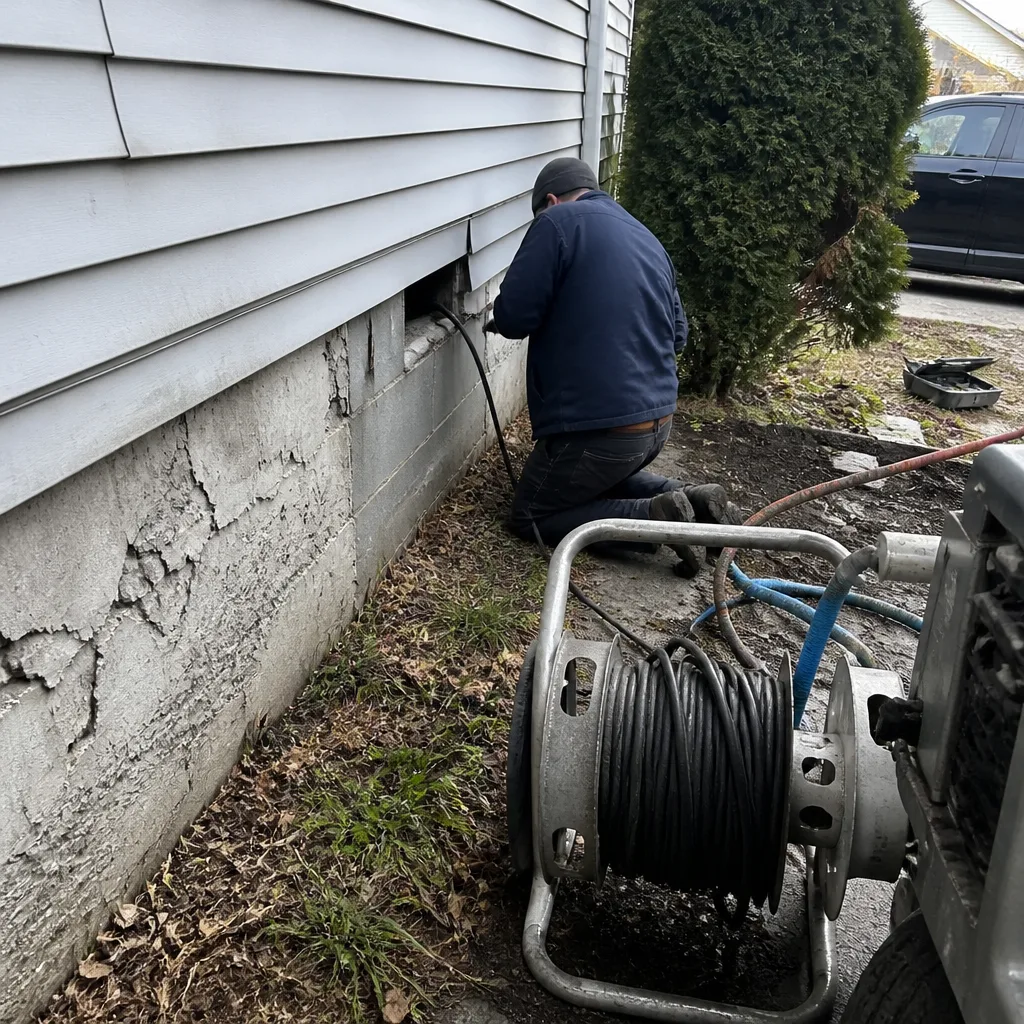 Before
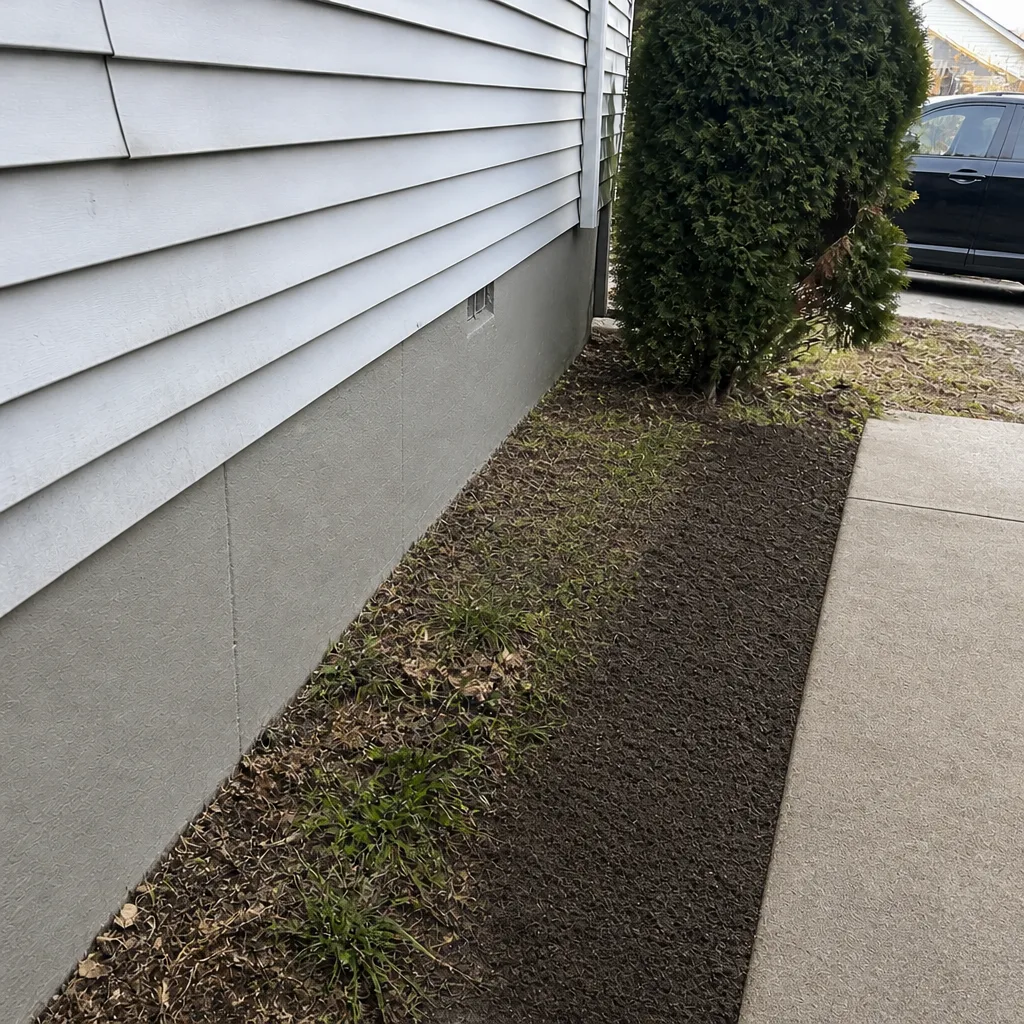 After
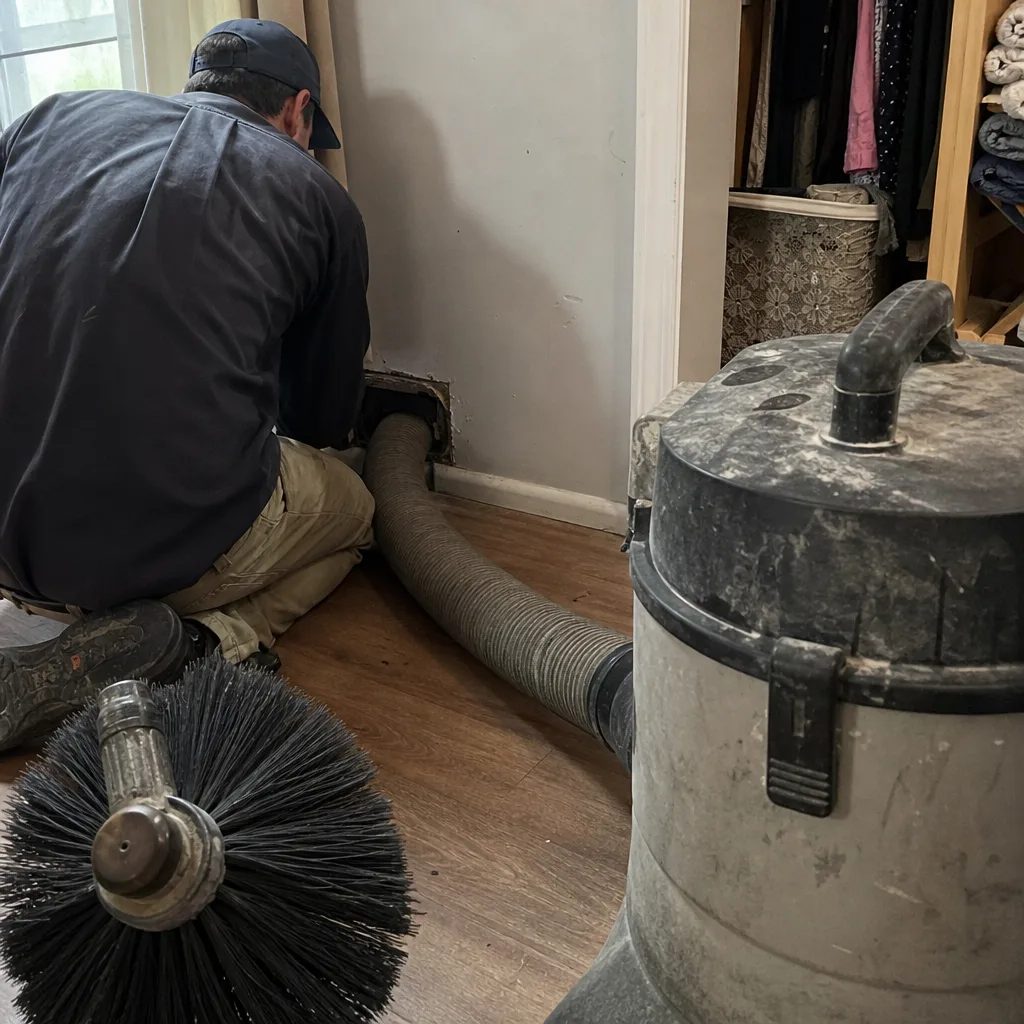 Before
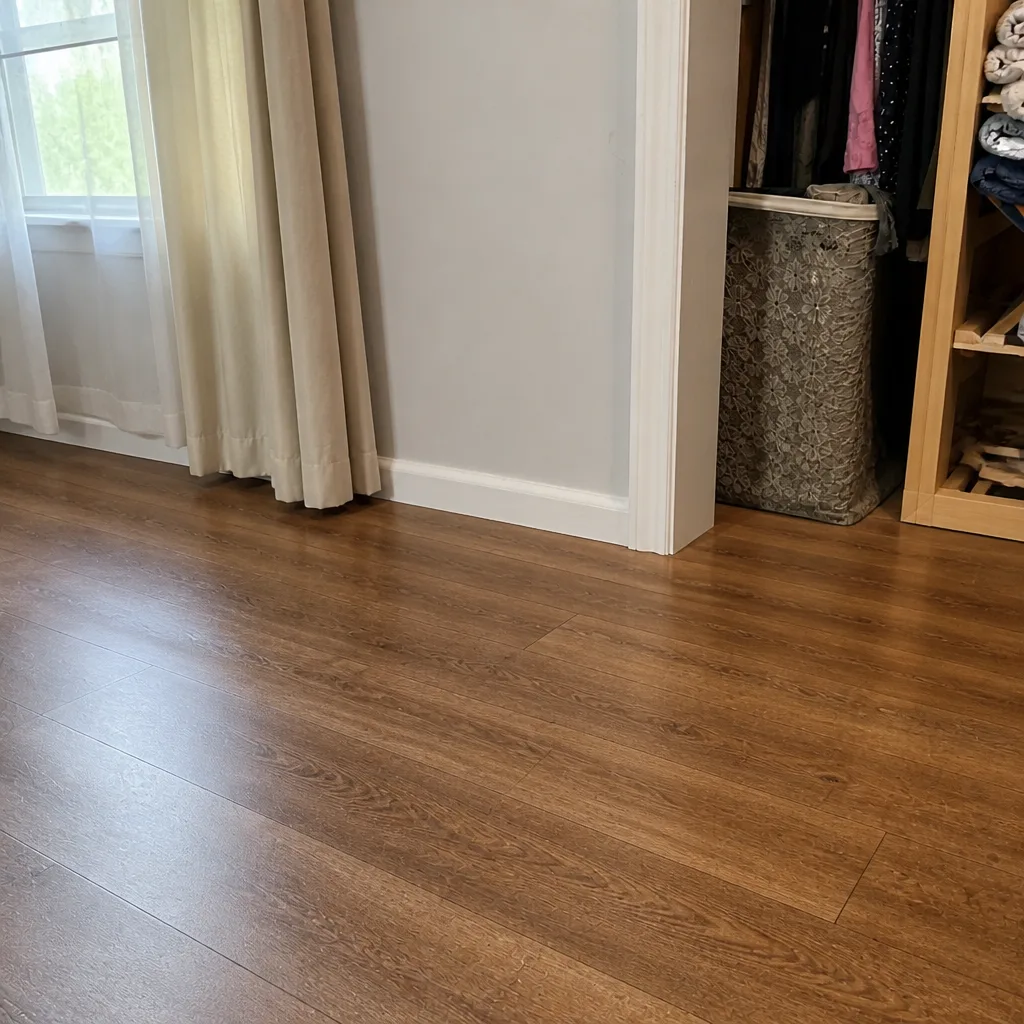 After
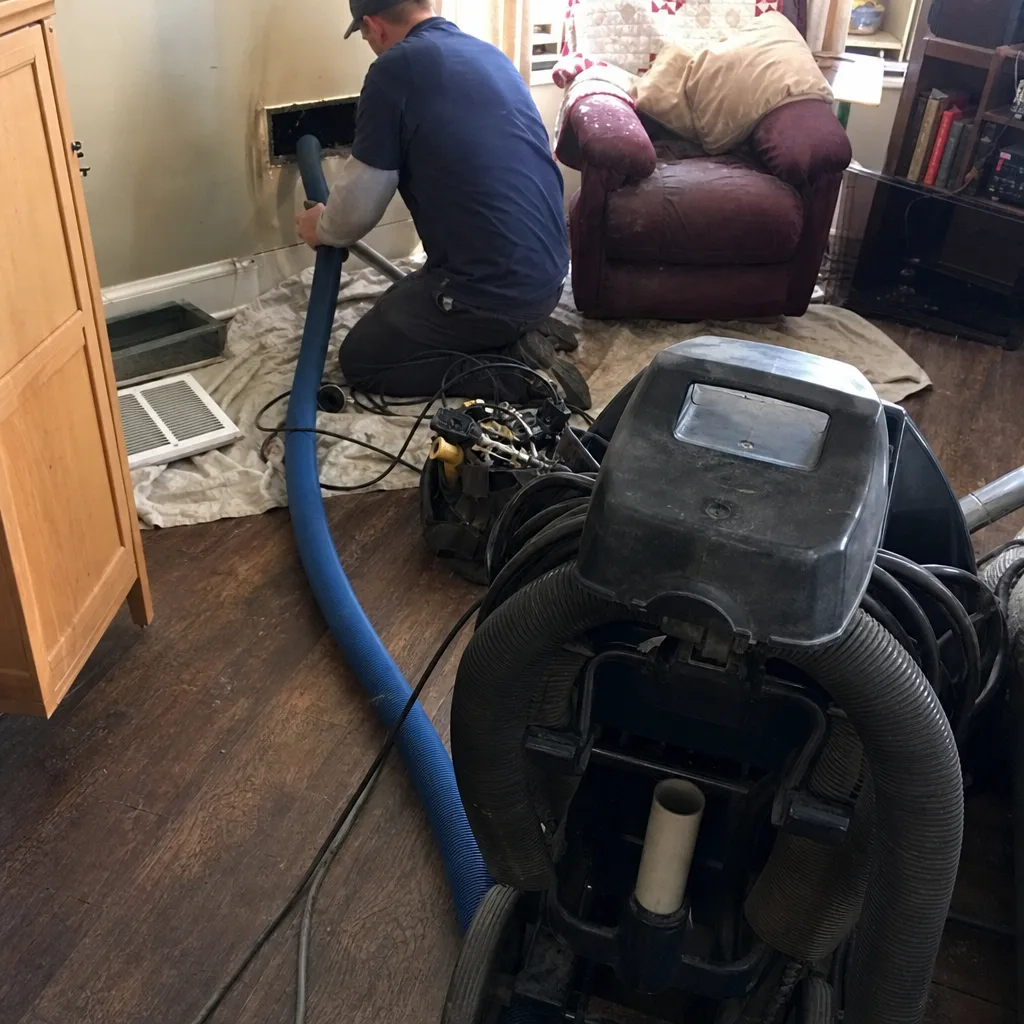 Before
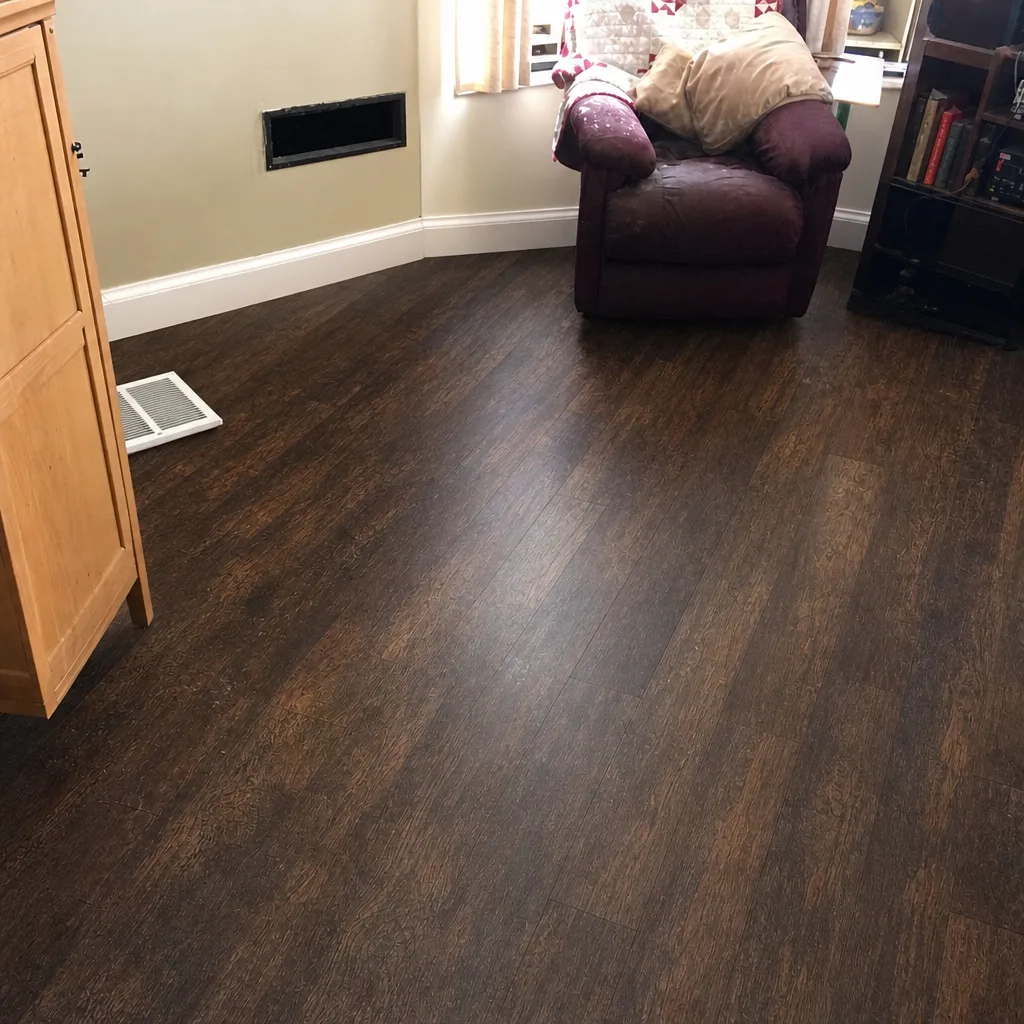 After
When to Call a Professional
Call a professional when the check through a register shows a mechanical problem (visible collapse, gap at the boot, kinked flex) rather than general debris. Call when a musty smell returns within weeks of a cleaning, because that points to a moisture source that needs a diagnostic eye. Call when two or more rooms share the same symptom and simple fixes (filter, register balancing) haven’t helped. Call when the home is older and the duct runs have been modified over the years, because the report is worth having. And call when you’ve already had the ducts cleaned and the symptom is back. Duct Cleaning Syracuse offers free estimates in Syracuse. We use Rotobrush and Nikro equipment on every job and we fix what cleaning alone can’t. Call (855) 819-5569. We answer 24/7. Fast dispatch from 7am to 7pm, Sunday through Friday.
Frequently Asked Questions
The estimate is free and the price is set per job by the written estimate, based on the size and layout of your system and what the walkthrough finds. We don’t quote per-vent pricing, because per-vent pricing is where the low teaser quote becomes a much bigger invoice once the technician is on site. Ask any duct company for a system-level flat price in writing before you authorize work, and confirm what’s included in that price so you’re not comparing a whole-system estimate to a partial-service teaser. Call (855) 819-5569 for an exact quote – estimates are free.
Cheaper quotes usually skip something. Sometimes it’s the mechanical agitation (airflow alone rather than a rotary brush), sometimes it’s HEPA-rated extraction, sometimes it’s the inspection and reporting side of the visit, and sometimes it’s the repair capability that turns a cleaning-only visit into a real fix. Ask two questions before comparing price: what equipment agitates the debris, and what does the company do if it finds a defect inside the duct that cleaning can’t fix. The true cost comparison isn’t just the dollar figure on the quote; it’s the scope of what’s included. Call (855) 819-5569 to walk through what a full-system visit covers.
Ask for before-and-after photos of your own ducts. Every job should produce them, and they should show the actual runs in your house, not stock images. The other check is the register opening after the visit: pull a grille and look at the run. A clean corridor with no debris dam visible and no dust bed at the toe of the branch is the visual confirmation that the cleaning actually happened. If the company can’t produce photos of your system, that’s a sign. Call (855) 819-5569 and we’ll walk through what the photo documentation includes.
Most systems are fine with a cleaning every few years rather than every year, and the honest answer is that the schedule depends on what your system shows you, not a fixed interval. Homes with pets, recent renovation, or a smoker in the house tend to need it more often. Homes newer and tighter with good filtration tend to need it less. If you’ve had a musty smell return within weeks of a cleaning, the schedule isn’t the issue. Call (855) 819-5569 for a free estimate and we’ll tell you what we see rather than what the calendar says.
Rarely. A room that’s always too cold and doesn’t respond to register balancing or filter changes usually has a mechanical duct problem: a collapsed flex run, a disconnected boot, or a crushed branch serving that room. Cleaning around a structural defect doesn’t correct the airflow. The right step is a visual inspection through the register before you book a cleaning, and if the check shows a defect, an air duct repair rather than a cleaning. Call (855) 819-5569 and describe what you see – a four-minute look usually points the diagnosis in the right direction.
Yes. The temperature swings from summer to winter here mean duct runs through unconditioned spaces go through their own seasonal cycles, and condensation on poorly insulated runs is a real moisture source. Homes with basements and crawlspaces, which is a large share of the older housing stock in and around Syracuse, also tend to develop disconnected boots and crushed flex runs as the structure settles across the seasons. If your symptom is worse in one season than the other, that’s a strong signal the problem is environmental rather than simply a cleaning backlog. Call (855) 819-5569 for a free estimate.
The Bottom Line
Duct troubleshooting comes down to three categories: dirty, damaged, and moist. Cleaning solves the first. Repair solves the second. The third requires finding the moisture source, which is often condensation on an under-insulated run or a negative-pressure leak pulling damp air into the return. The four-minute register check is the tiebreaker, and the written symptom log is what lets you evaluate the diagnosis a company gives you rather than accepting it. A company that only cleans will call everything a cleaning problem; a company that also repairs structural duct failures has a reason to look for the defect first. That’s the framework to bring to any estimate in Syracuse, and it’s how you avoid paying twice for the same symptom.
If you’ve been through a cleaning that didn’t solve the problem, or if you’re seeing the symptoms we’ve described and you’d rather have a trained eye confirm what’s actually going on, call Duct Cleaning Syracuse at (855) 819-5569 for a free estimate. We answer 24/7. Fast dispatch from 7am to 7pm, Sunday through Friday. We use Rotobrush, Nikro, and Abatement Technologies equipment, carry Rotobrush and Nikro systems into every job, work within Honeywell and Aprilaire whole-home air quality setups, and offer dryer vent cleaning as a separate standalone service alongside duct cleaning and repair. Our technicians have up to 14 years of experience, and we’ll tell you plainly whether your problem needs a cleaning, a repair, or nothing at all.
Written by the team at Duct Cleaning Syracuse.